
Are you curious about the latest trends in modern doctors office design? In recent years, there has been a shift towards creating more comfortable and welcoming spaces that prioritise the patient experience. Innovative design elements are being used to optimise the patient journey, while also reflecting the brand and values of the healthcare provider.
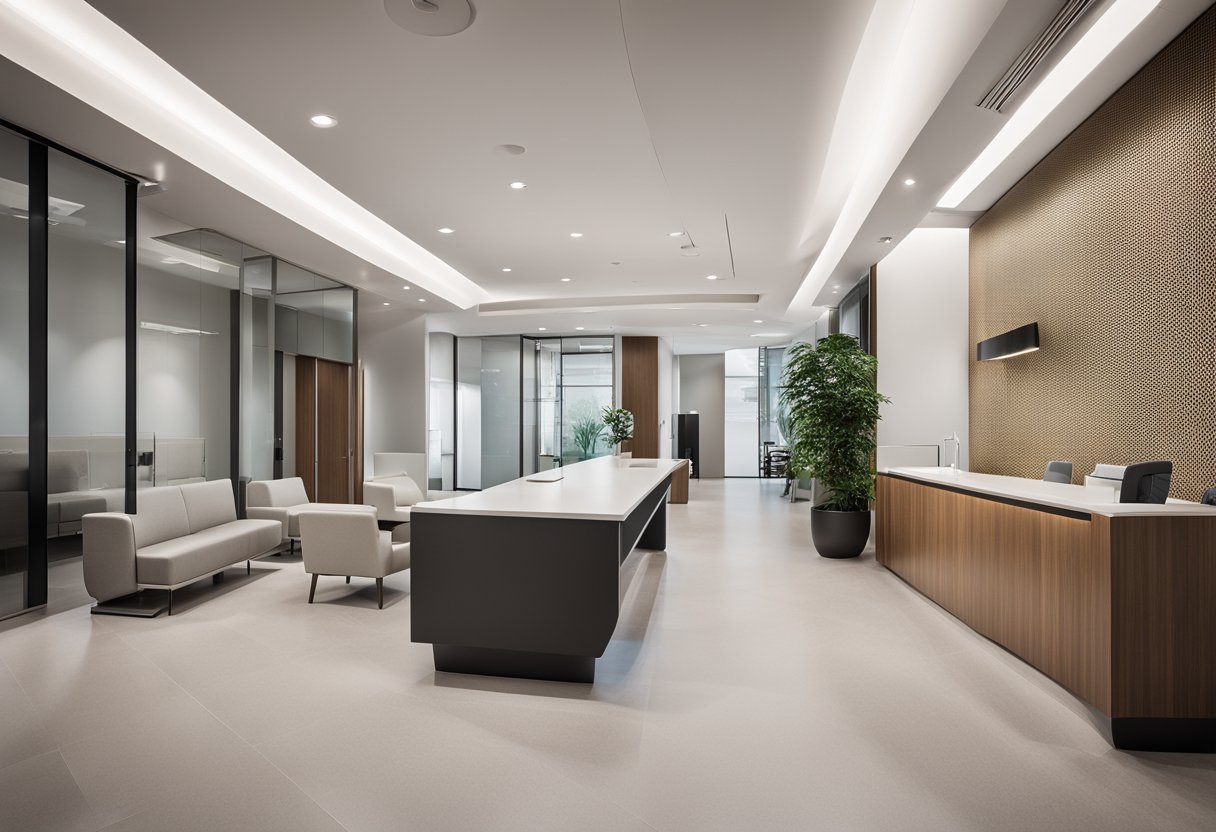
One of the key aspects of modern doctors office design is aesthetics. Gone are the days of sterile, clinical spaces that feel unwelcoming. Instead, there is a focus on creating warm, inviting environments that put patients at ease. This can be achieved through the use of natural materials, soft lighting, and comfortable furnishings. By creating a space that feels more like a home than a hospital, patients are more likely to feel relaxed and comfortable during their visit.
Key Takeaways
- Modern doctors office design prioritises the patient experience through the use of innovative design elements.
- Aesthetics play a key role in creating comfortable and welcoming spaces that put patients at ease.
- By optimising the patient journey and reflecting the brand and values of the healthcare provider, modern doctors office design can help improve patient satisfaction and outcomes.
Innovative Design Elements for Modern Doctor’s Offices
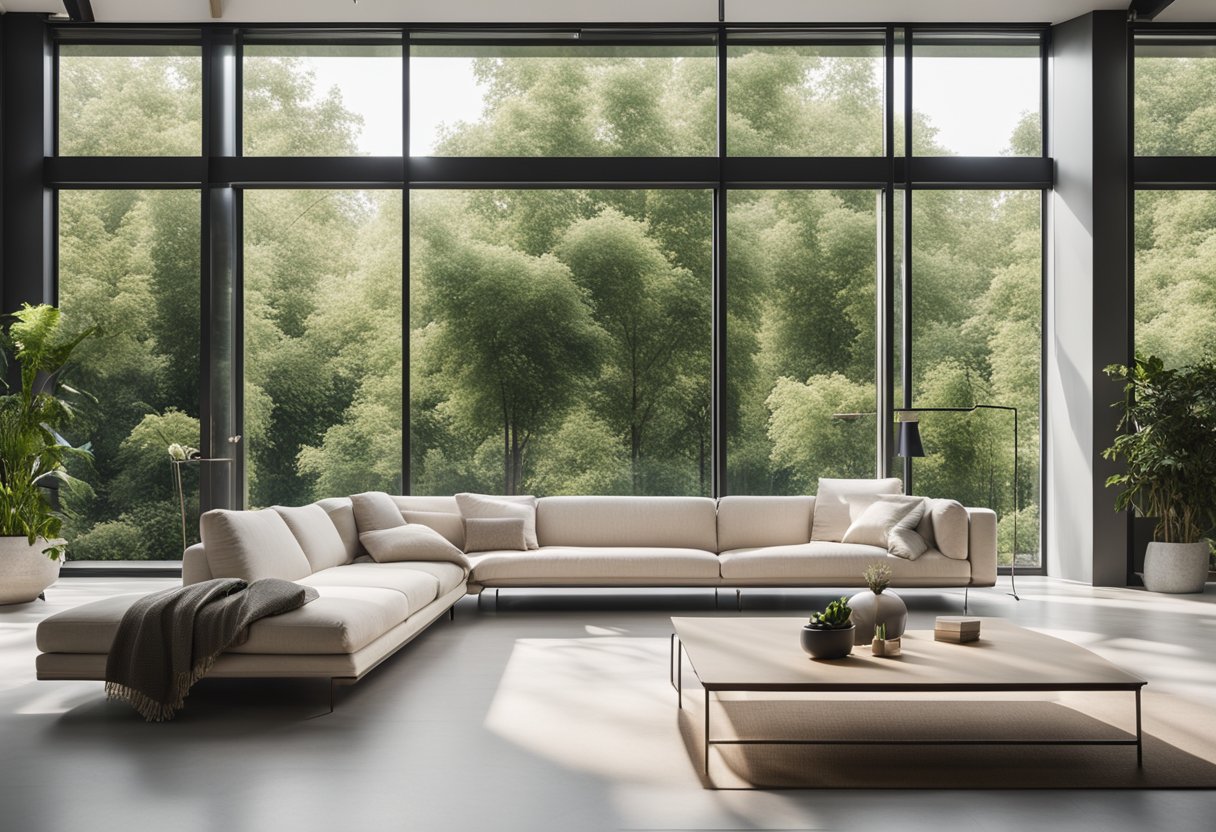
If you’re looking to create a modern and welcoming doctor’s office, there are several innovative design elements you can incorporate. These design elements can help create a calming and healing atmosphere for your patients, while also improving the efficiency of your practice. Here are three design elements to consider:
Embracing Nature with Biophilic Design
Biophilic design is a design philosophy that incorporates natural elements into the built environment. This can include the use of natural materials, such as wood and stone, as well as the inclusion of plants and water features. Biophilic design has been shown to have a positive impact on wellbeing and can help reduce stress and anxiety. By incorporating biophilic design elements into your doctor’s office, you can create a more calming and relaxing environment for your patients.
Strategic Use of Colour and Lighting
Colour and lighting can have a significant impact on mood and wellbeing. When designing your doctor’s office, consider using a colour palette that is calming and soothing, such as blues and greens. You can also use lighting to create a warm and welcoming atmosphere. Natural light is ideal, but if that’s not possible, consider using warm, soft lighting to create a cosy and inviting space.
Incorporating Technology for Enhanced Efficiency
Technology can be a valuable tool in modern doctor’s offices. Electronic medical records can help streamline patient care and reduce administrative tasks. Telemedicine can also be a useful tool for remote consultations and follow-up appointments. When incorporating technology into your doctor’s office design, consider how it can enhance the efficiency of your practice while also improving patient care.
By incorporating these innovative design elements into your doctor’s office, you can create a more welcoming and healing environment for your patients. With the right design, you can help reduce stress and anxiety, improve patient outcomes, and create a more efficient and effective practice.
Optimising the Patient Journey
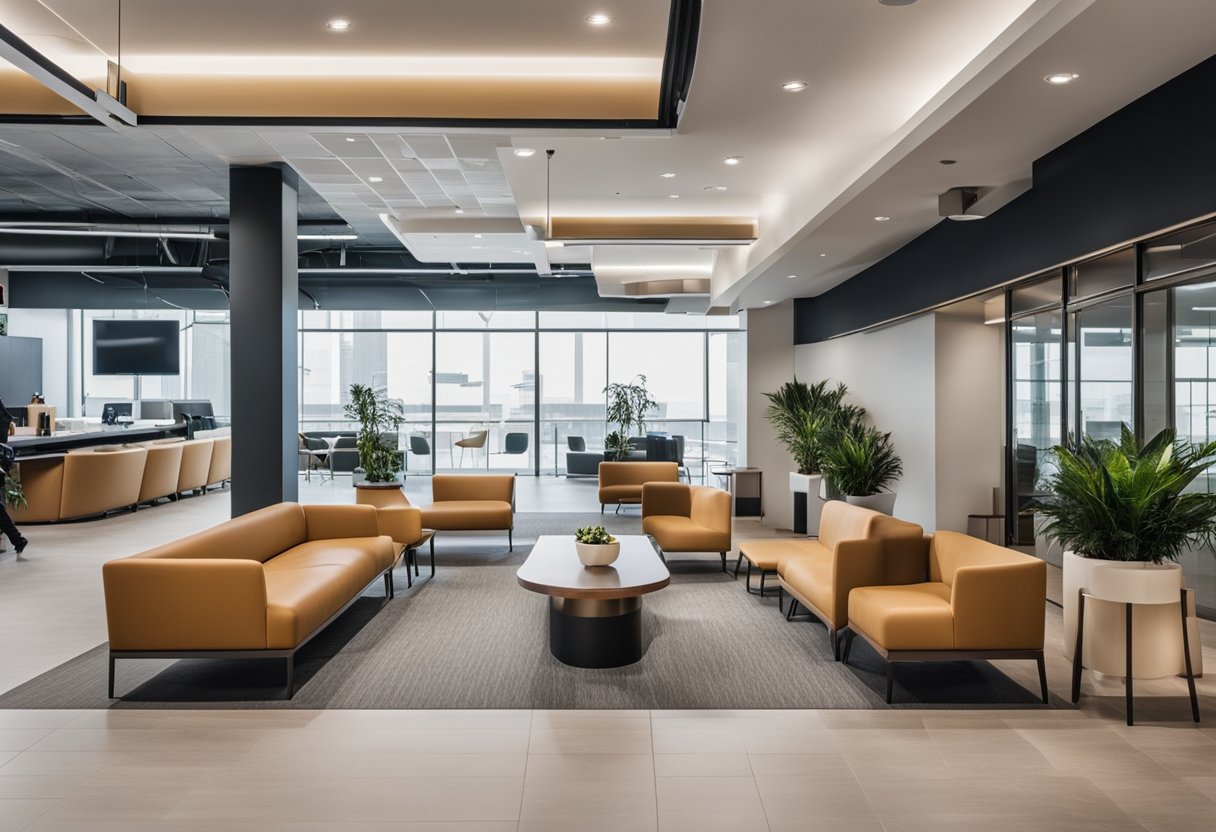
When it comes to modern doctor office design, optimizing the patient journey is a top priority. From the moment patients enter the office, they should feel comfortable, calm, and welcomed. This can be achieved through thoughtful design that takes into account the needs of patients, physicians, and staff.
Designing for Comfort and Calm in Waiting Areas
The waiting area is often the first point of contact patients have with the office, and it can set the tone for their entire visit. To create a homey, welcoming atmosphere, consider using comfortable furnishings, such as plush sofas and armchairs, and adding potted plants or greenery. These natural elements can help reduce anxiety and create a sense of calm.
Functional Examination Rooms for Quality Care
The examination room is where the physician will spend the majority of their time with the patient, so it’s important that it is designed with both patient and physician needs in mind. A functional design that includes comfortable seating, adequate lighting, and easy access to necessary equipment can help ensure quality care and patient satisfaction.
Streamlining Processes with Smart Reception Solutions
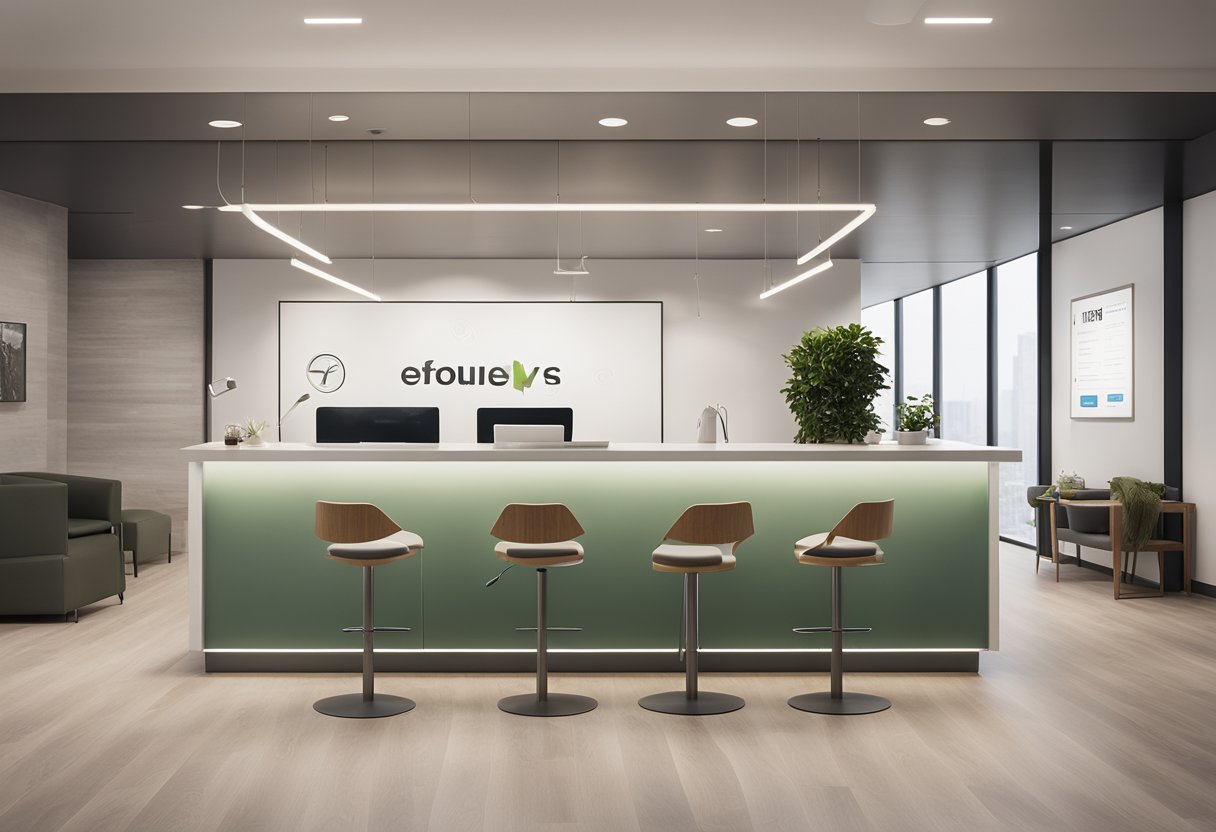
The reception area is where patients check-in, schedule appointments, and ask questions. To streamline these processes and increase efficiency, consider implementing check-in kiosks and telehealth technology. Additionally, a professional touch can be added to the reception area with wood furniture, coffee tables, and thoughtful decoration.
Overall, a well-designed doctor’s office can improve patient flow, convenience, and satisfaction, while also increasing productivity, trust, and safety. By considering the needs of patients, physicians, and staff, medical office design can achieve its goals of creating functional, inviting workspaces that prioritize patient care.
Frequently Asked Questions
What innovative features can enhance patient experience in modern medical offices?
Modern medical offices are constantly innovating to provide the best possible patient experience. One of the most innovative features is the use of technology to streamline processes and reduce wait times. For example, some offices use digital check-in systems, which allow patients to check in for their appointments using a tablet or smartphone. This not only saves time but also reduces the risk of spreading germs through shared surfaces.
Another innovative feature is the use of telemedicine, which allows patients to consult with their doctors remotely. This is especially useful for patients who live far away or have mobility issues. Telemedicine also reduces the need for in-person consultations, which can save time and money for both patients and doctors.
How can small medical practices optimise space in their office designs?
Small medical practices can optimise space in their office designs by using multifunctional furniture and equipment. For example, a desk can double as a storage unit, or a treatment table can have built-in storage drawers. Additionally, using modular furniture can help maximise space by allowing for easy reconfiguration.
Another way to optimise space is by using open-concept designs that eliminate unnecessary walls and barriers. This creates a more spacious and welcoming environment that can also improve communication and collaboration between staff members.
What are the latest trends in medical office interior decor?
The latest trends in medical office interior decor include the use of natural materials and colours, such as wood and earth tones. This creates a warm and inviting atmosphere that can help reduce anxiety and stress in patients. Additionally, many offices are incorporating artwork and other decorative elements that reflect their brand and mission.
Which colour schemes are most conducive to creating a calming atmosphere in a doctor’s office?
To create a calming atmosphere in a doctor’s office, it is best to use soft, muted colours such as blues, greens, and greys. These colours have a calming effect on the mind and can help reduce anxiety and stress. Additionally, using warm colours such as beige and taupe can create a welcoming and comfortable environment.
What considerations are key for designing a high-end luxury medical office?
When designing a high-end luxury medical office, it is important to consider the target audience and their expectations. This may include incorporating high-end finishes such as marble and gold accents, as well as providing amenities such as a concierge service and private waiting areas.
Another consideration is the layout of the office, which should be spacious and well-lit. The use of natural light and large windows can create a bright and airy atmosphere that enhances the overall experience.
How can the layout of a medical office be planned to improve operational efficiency?
The layout of a medical office can be planned to improve operational efficiency by using a functional and logical design. For example, the reception area should be located near the entrance and have easy access to exam rooms and other treatment areas. Additionally, the flow of patients and staff should be carefully considered to minimise congestion and reduce wait times.
Another way to improve operational efficiency is by using technology such as electronic medical records and automated appointment scheduling. This can help reduce paperwork and streamline processes, allowing staff to focus on providing the best possible care to patients.