
Designing your kitchen can be an exciting and rewarding process, allowing you to create a space that perfectly suits your needs and style. Understanding the fundamental rules of kitchen design is essential for achieving a functional and aesthetically pleasing layout. By mastering these rules, you can ensure that your kitchen not only looks great but also provides optimal usability and efficiency.
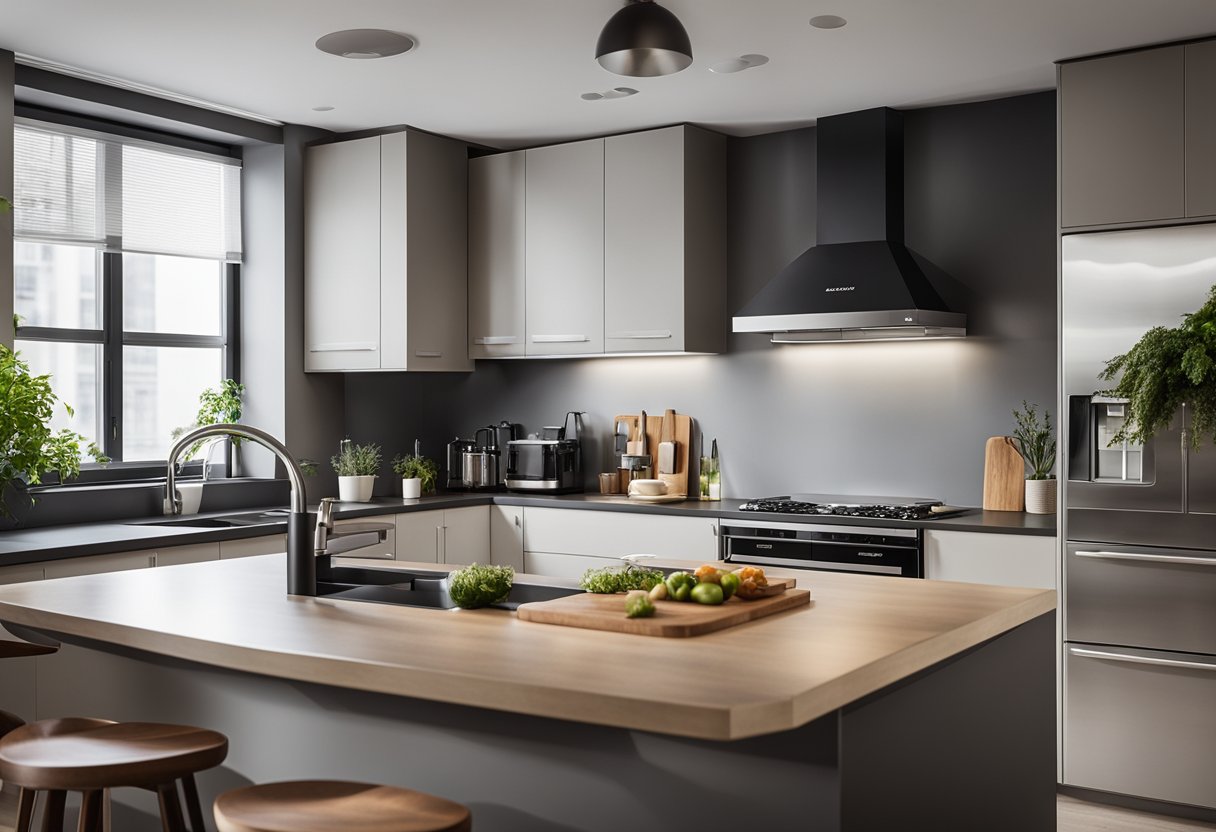
When it comes to kitchen design, there are key elements and details that can significantly impact the overall look and functionality of the space. From the layout and work triangle to the placement of appliances and storage solutions, each aspect plays a crucial role in creating a well-designed kitchen. By familiarising yourself with these design elements and details, you can make informed decisions that will contribute to a successful kitchen design project.
Key Takeaways
- Understanding the fundamental rules of kitchen design is essential for achieving a functional and aesthetically pleasing layout.
- Key elements and details significantly impact the overall look and functionality of the kitchen space.
- Familiarising yourself with these design elements and details will help you make informed decisions for a successful kitchen design project.
Fundamentals of Kitchen Design
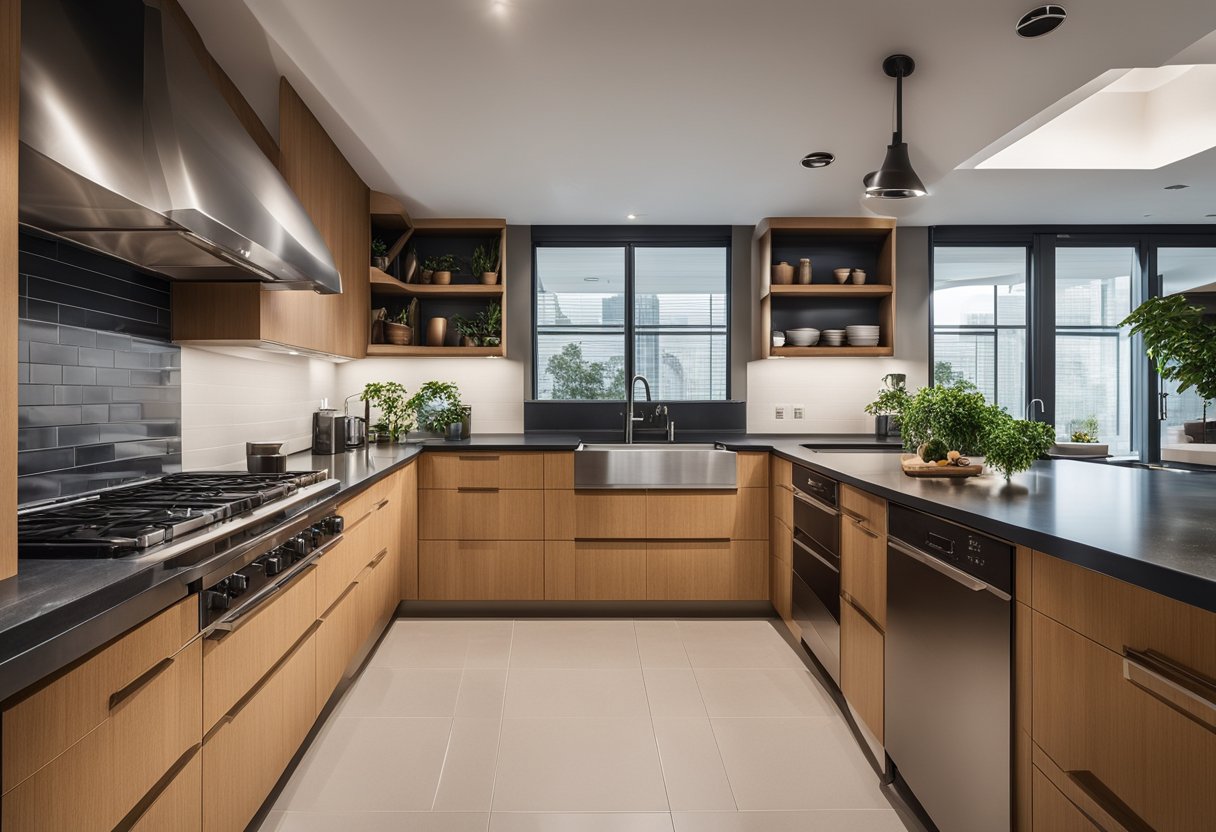
When it comes to kitchen design, understanding the layouts is crucial to creating a functional and efficient space.
Understanding Kitchen Layouts
The layout of your kitchen plays a pivotal role in its overall functionality. Whether it’s an L-shaped, U-shaped, island, or galley kitchen, each layout has its unique benefits. For instance, an L-shaped kitchen optimises space and allows for smooth workflow, while an island kitchen provides additional work and storage space.
The Golden Triangle Principle
The Golden Triangle Principle, consisting of the sink, cooking area, and refrigerator, forms the core of an efficient kitchen. Placing these elements in close proximity optimises the workflow, making food preparation and cooking more convenient.
Optimising Storage Solutions
Efficient storage is essential for maintaining an organised kitchen. Utilising a combination of cabinets, drawers, and pantry space can help maximise storage capacity and keep your kitchen clutter-free.
By incorporating these fundamental principles into your kitchen design, you can create a space that is not only visually appealing but also highly functional and safe.
Design Elements and Details
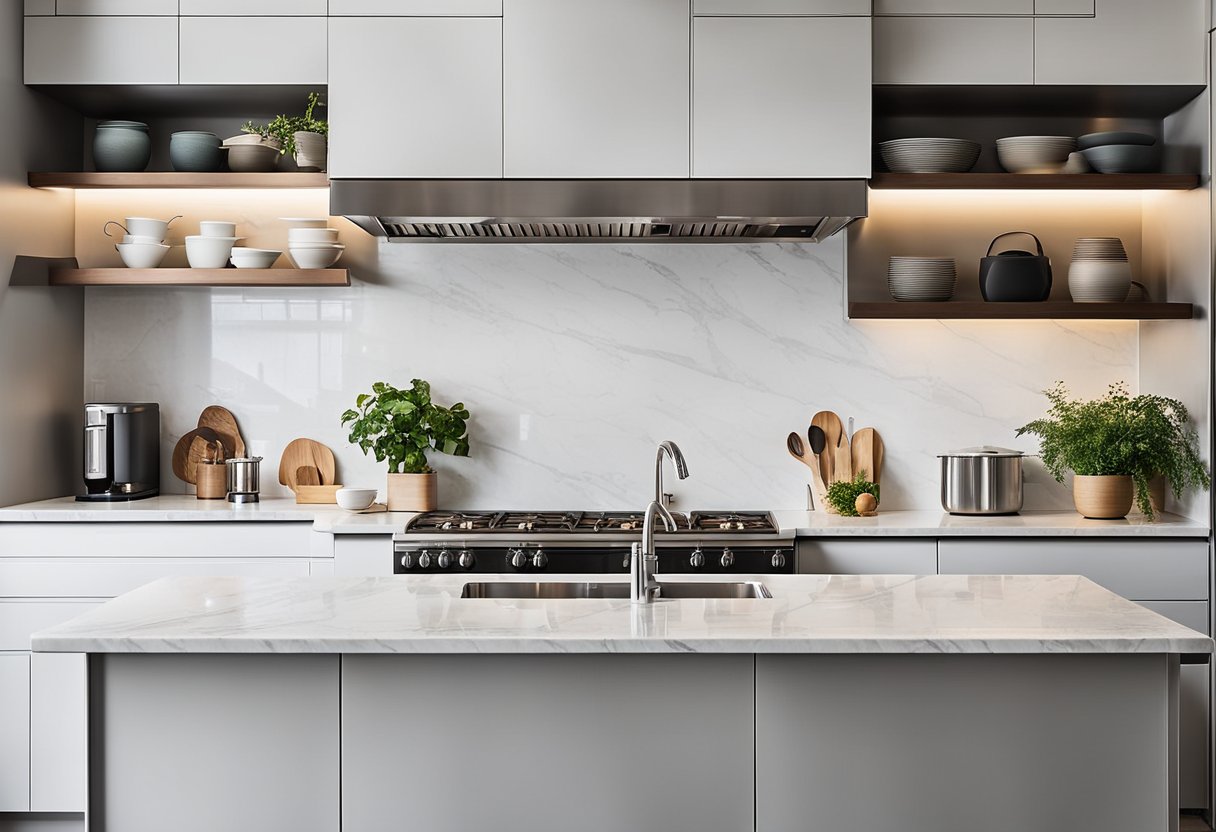
When it comes to kitchen design, the elements and details you choose can have a significant impact on the overall look and feel of the space. Here are some tips to help you create a kitchen that is both functional and stylish.
Selecting Materials and Finishes
When choosing materials and finishes for your kitchen, consider the overall design style you are going for. If you are going for a contemporary look, consider sleek materials such as stainless steel, glass, or concrete. For a more classic look, consider warm, natural materials such as wood or stone.
When selecting countertops, granite and quartz are popular choices due to their durability and low maintenance. However, if you are on a budget, there are many other options available such as laminate or solid surface. For flooring, consider materials such as tile, hardwood, or vinyl depending on your budget and design preferences.
Integrating Appliances Seamlessly
Integrating appliances seamlessly into your kitchen design can help create a cohesive and polished look. Consider built-in appliances such as a refrigerator or dishwasher to create a streamlined look. Cooktops and ventilation systems can also be integrated into your countertop design for a sleek and modern look.
Illuminating with Perfect Lighting
Lighting is an important element in any kitchen design. Consider a combination of general, task, and accent lighting to create the perfect ambiance. Pendant lights over an island or dining area can add a stylish touch, while under-cabinet lighting can provide task lighting for food preparation. Don’t forget to consider natural lighting as well, as it can help create a bright and welcoming space.
Overall, the design elements and details you choose for your kitchen can have a significant impact on the overall look and feel of the space. Consider your budget, design preferences, and functionality needs when selecting materials, appliances, and lighting for your kitchen remodel or renovation.
Frequently Asked Questions
What are the essential considerations for optimising a small kitchen space?
If you have a small kitchen space, it’s important to maximise every inch of it. One of the essential considerations is to choose the right appliances, such as compact ovens and slimline fridges. You should also consider using space-saving storage solutions, such as pull-out cabinets and vertical shelving. Another tip is to use light colours and reflective surfaces to create the illusion of more space.
How does the work triangle principle apply to modern kitchen layouts?
The work triangle principle is a design concept that aims to create an efficient workspace by placing the sink, hob, and fridge in a triangular layout. In modern kitchen layouts, this principle still applies, but it has been adapted to suit different lifestyles and cooking styles. For example, in an open-plan kitchen, the work triangle may be extended to include additional work zones, such as a prep area or a coffee station.
What are the key factors to bear in mind when incorporating an island into your kitchen design?
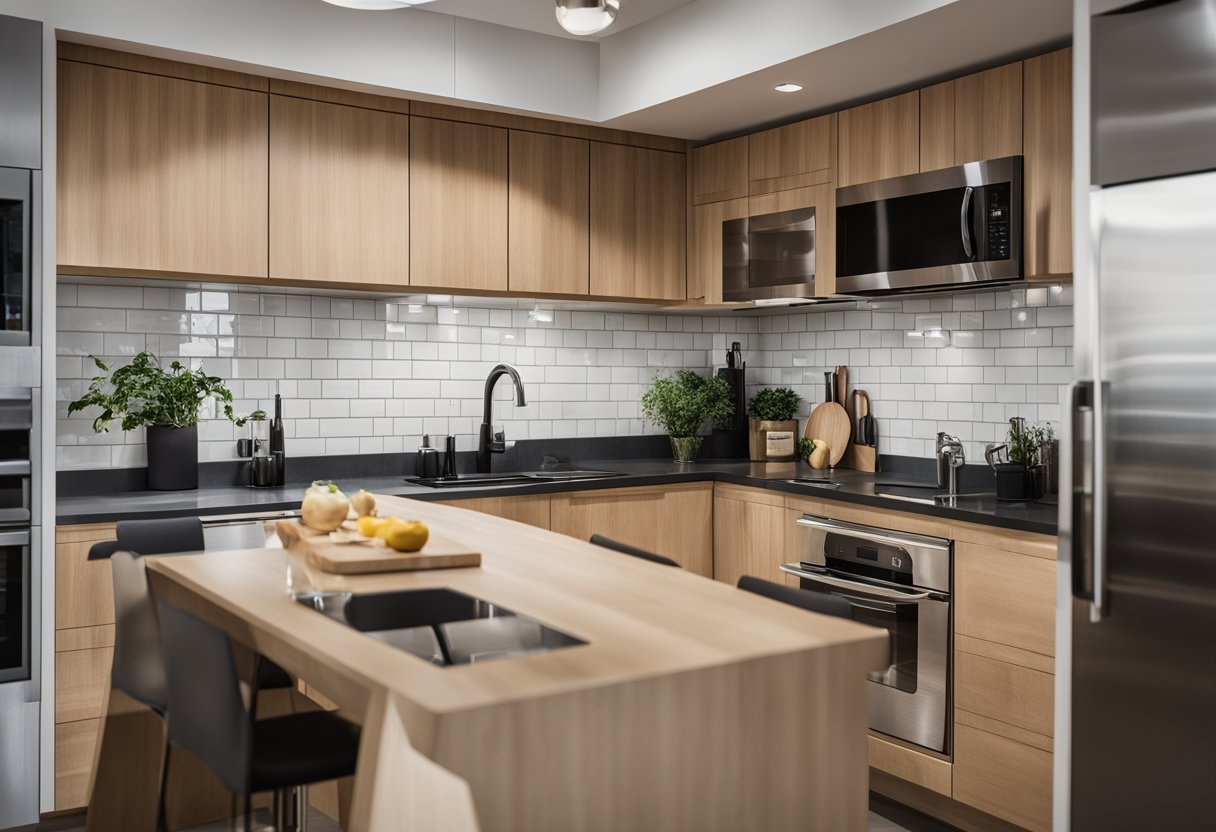
An island can be a great addition to a kitchen, providing extra counter space and storage. When incorporating an island into your kitchen design, it’s important to consider the size and layout of your kitchen. You should also think about how you will use the island, and whether you want it to include a sink, hob, or seating area. Lighting is another important factor to consider, as you will need to ensure that the island is well-lit for cooking and entertaining.
Could you outline the fundamental principles that guide efficient kitchen design?
Efficient kitchen design is guided by several fundamental principles, including the work triangle principle, the use of ergonomic design, and the maximisation of storage space. Other important considerations include the use of natural light, the incorporation of the latest technology, and the use of high-quality materials and finishes.
What innovative design elements can elevate the functionality of a standard kitchen?
Innovative design elements can help to elevate the functionality of a standard kitchen. For example, incorporating a pull-out pantry can help to maximise storage space, while a built-in charging station can provide a convenient place to charge your devices. Other innovative design elements include touchless faucets, built-in herb gardens, and smart appliances that can be controlled using your phone or voice.
How do the latest trends in kitchen cabinetry influence the rules of kitchen design?
The latest trends in kitchen cabinetry can have a significant impact on kitchen design. For example, the trend for handleless cabinets can create a sleek, modern look, while the use of natural wood finishes can create a warm, rustic feel. Other trends to watch out for include the use of bold colours, the incorporation of glass-fronted cabinets, and the use of mixed materials, such as metal and wood. However, it’s important to remember that trends come and go, and the most important thing is to choose a design that suits your personal style and needs.