
Designing a kitchen can be an exciting and daunting task. It’s where you’ll be spending a lot of time cooking, entertaining and making memories with your loved ones. That’s why it’s essential to consider every aspect of your dream kitchen before you start the renovation process. From selecting the right materials to choosing appliances, every decision you make will have an impact on the final result.
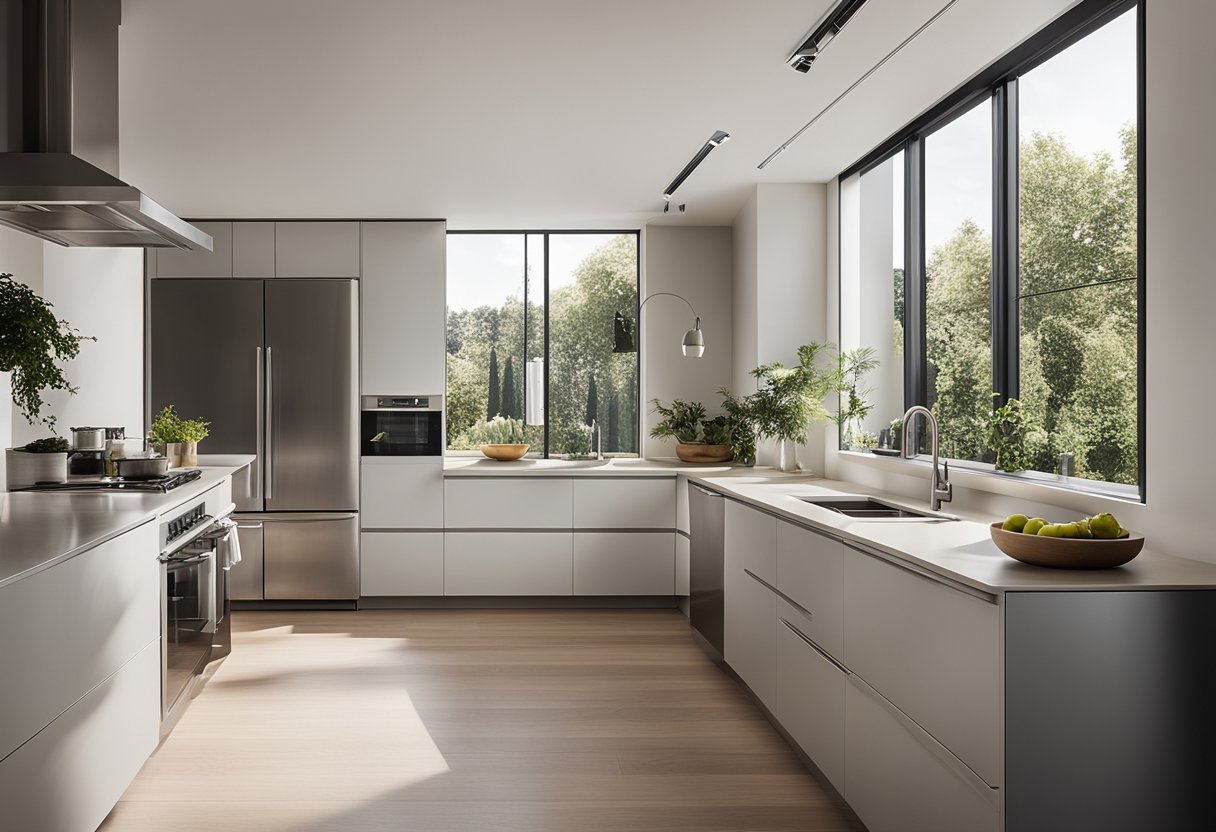
Planning your dream kitchen involves more than just deciding on the layout. You’ll need to consider the overall style, colour scheme, and lighting. It’s essential to create a wishlist of all the features you’d like to have in your kitchen. This will help you stay on track and ensure that you don’t forget anything important. Whether you’re looking for a traditional or modern kitchen, there are plenty of design ideas to choose from.
When selecting materials and appliances for your kitchen, it’s essential to consider durability, functionality, and aesthetics. You’ll want to choose materials that are easy to maintain and will last for years to come. Appliances should be energy-efficient and fit your lifestyle. It’s also essential to consider your budget and choose materials and appliances that fit within it.
Key Takeaways
- Consider every aspect of your dream kitchen before starting the renovation process.
- Create a wishlist of all the features you’d like to have in your kitchen.
- Choose materials and appliances that are durable, functional, and fit your lifestyle and budget.
Planning Your Dream Kitchen
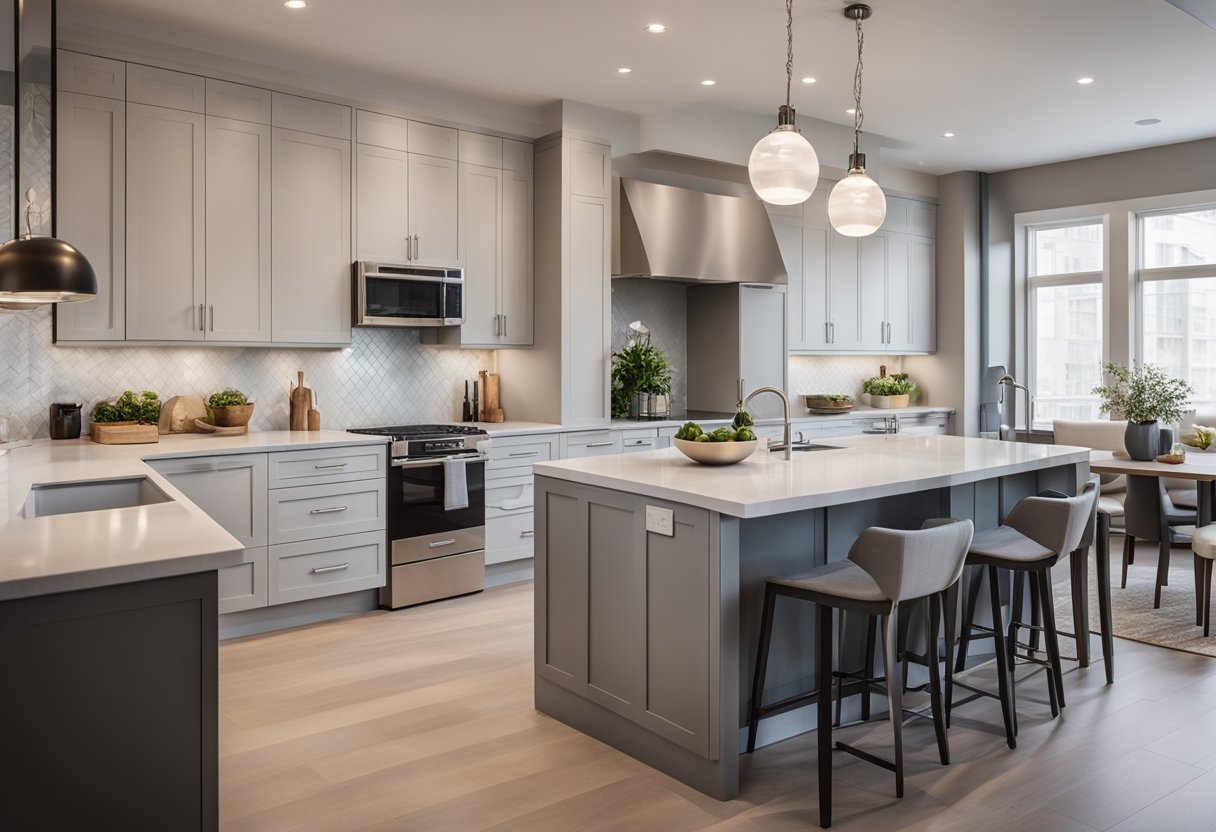
Designing a kitchen can be an exciting and daunting task. With so many things to consider, it can be challenging to know where to start. Here are some essential factors to consider when planning your dream kitchen.
Assessing Your Lifestyle and Needs
The first step in designing your dream kitchen is to assess your lifestyle and needs. Think about how you use your kitchen and what your priorities are. Do you love to cook? Do you often entertain family and friends? Do you need space for kids to do homework while you cook? Answering these questions will help you determine what features and layout will work best for you.
Determining the Layout and Work Triangle
Once you have assessed your lifestyle and needs, the next step is to determine the layout and work triangle of your kitchen. The work triangle is the imaginary line between the sink, refrigerator, and stove. This area should be designed for maximum efficiency and functionality. Consider the size and shape of your kitchen when planning the layout.
Setting a Budget and Timeline
Setting a budget and timeline is crucial when designing your dream kitchen. Determine how much you can afford to spend and create a realistic timeline for the project. Be sure to factor in the cost of materials, appliances, and labour. Consider working with a kitchen designer to help you stay on budget and on schedule.
When designing your dream kitchen, it’s important to create a functional space that reflects your personal style. Draw inspiration from magazines, online resources, and expert advice to help you bring your vision to life. With careful planning and attention to detail, you can create a kitchen that is both beautiful and functional.
Selecting Materials and Appliances
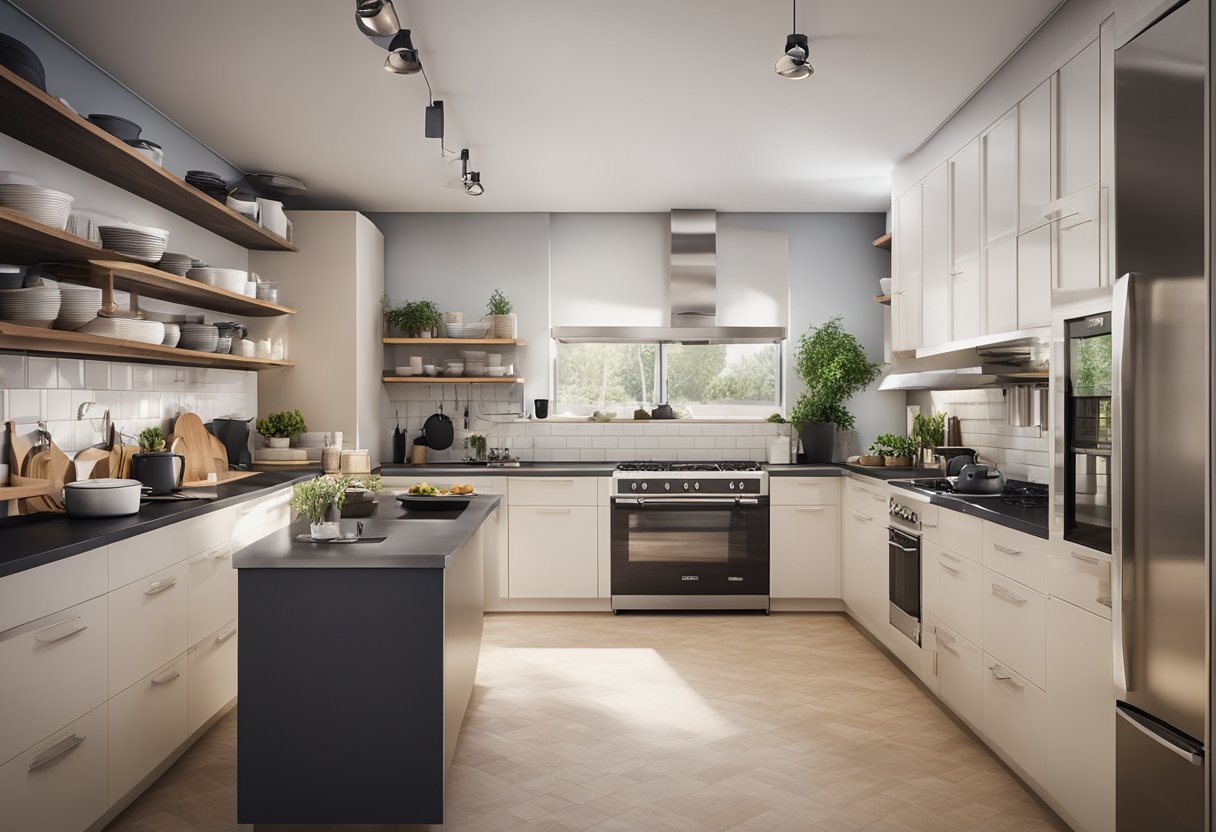
When designing your kitchen, selecting the right materials and appliances is crucial. Not only do they affect the overall look of your kitchen, but they also impact its functionality and durability. Here are some things to consider when choosing your materials and appliances.
Choosing the Right Countertops
Your kitchen countertops are one of the most important design elements in your kitchen. They should be both functional and beautiful. When choosing your countertops, consider the following factors:
- Durability: Countertops should be able to withstand the wear and tear of daily use. Granite and quartz are popular choices for their durability and resistance to scratches and heat.
- Style: Countertops come in a variety of colours and patterns, so choose one that complements your kitchen’s overall style.
- Maintenance: Some materials, like granite, require regular sealing to maintain their appearance. Others, like laminate, are easier to maintain but may not be as durable.
Picking Durable Flooring Options
Your kitchen flooring should be able to withstand spills, stains, and heavy foot traffic. Here are some durable flooring options to consider:
- Vinyl flooring: Vinyl flooring is affordable, easy to clean, and comes in a variety of styles and colours.
- Laminate flooring: Laminate flooring is durable, scratch-resistant, and can mimic the look of hardwood or tile.
- Hardwood flooring: Hardwood flooring is a classic choice that adds warmth and beauty to your kitchen. However, it requires more maintenance than other options.
Selecting Appliances for Efficiency and Style
Your kitchen appliances should be both energy-efficient and stylish. Here are some tips for selecting the right appliances:
- Fridge: Choose a fridge that is the right size for your family and has an energy-efficient rating. Stainless steel appliances are popular for their sleek and modern look.
- Cooktop: Consider a cooktop with induction technology, which is more efficient and safer than gas or electric cooktops.
- Other appliances: Choose appliances that fit your lifestyle, such as a dishwasher or a double oven. Make sure they match your kitchen’s overall style.
By considering these factors, you can choose materials and appliances that will make your kitchen functional, durable, and beautiful.
Frequently Asked Questions
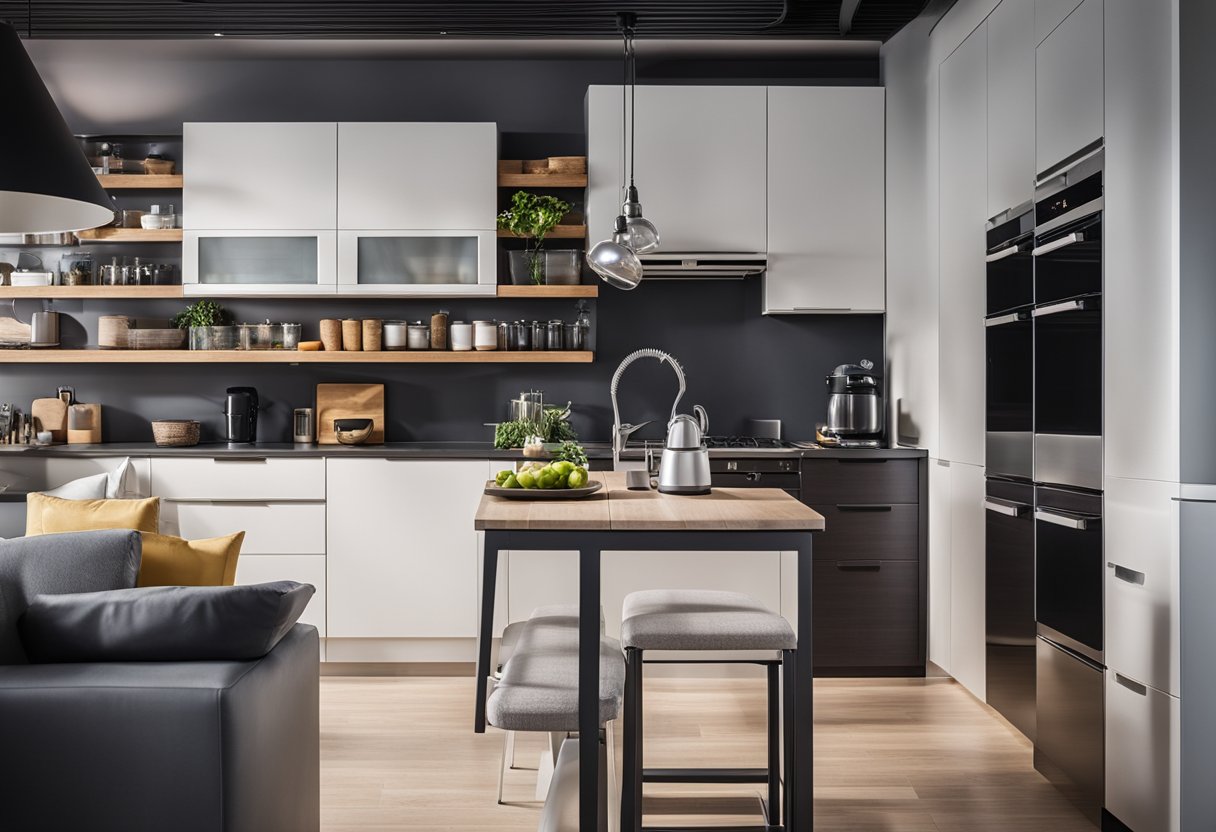
What are the top considerations for maximising space in a compact kitchen?
When designing a compact kitchen, it is essential to prioritise space-saving solutions. Consider using multifunctional appliances, such as a combination microwave oven or a fridge-freezer with integrated storage solutions. Maximise storage space by installing cabinets that reach the ceiling and using pull-out drawers and organisers. Avoid cluttering the countertops by choosing appliances that can be easily stored away, and opt for a minimalist design that maximises natural light.
How should functionality and flow be addressed in kitchen design?
Functionality and flow are crucial in kitchen design. Consider the work triangle principle, which involves positioning the sink, hob, and fridge in a triangular layout to maximise efficiency. Ensure that there is enough counter space for food preparation and that the kitchen is designed with the user’s lifestyle in mind. For example, if you enjoy entertaining, consider incorporating a breakfast bar or island to create a social hub.
What are the essential design elements for a practical and stylish commercial kitchen?
A practical and stylish commercial kitchen should prioritise functionality and hygiene. Stainless steel is a popular choice for commercial kitchens due to its durability and ease of cleaning. Consider using non-slip flooring and installing a ventilation system to maintain air quality. Choose appliances that are energy-efficient and easy to clean, and ensure that the kitchen has ample storage space for utensils, crockery, and ingredients.
Could you highlight the key ergonomic principles to keep in mind when planning a kitchen layout?
Ergonomics is crucial in kitchen design to ensure that the space is comfortable and safe to use. Consider the height of the work surfaces, ensuring that they are at a comfortable level for food preparation. Position appliances at an appropriate height to avoid unnecessary bending or stretching. Consider using soft-close drawers and doors to prevent strain on the joints. nude video lucykinky22
What are the golden rules to follow for an efficient and safe kitchen design?
An efficient and safe kitchen design should prioritise functionality, hygiene, and safety. Ensure that there is adequate lighting to avoid accidents and that the kitchen is well-ventilated to prevent the build-up of harmful gases. Position appliances away from water sources to minimise the risk of electrical hazards, and ensure that the kitchen is designed to prevent slips, trips, and falls.
In what ways can I incorporate the latest design trends without compromising on kitchen functionality?
Incorporating the latest design trends into your kitchen can add a touch of style and personality. However, it is essential to ensure that the design does not compromise on functionality. Consider incorporating statement lighting, such as pendant lights, to add a focal point to the room. Experiment with bold colours and patterns on splashbacks and tiles, but keep the overall design simple and streamlined to avoid overwhelming the space.