
If you’re living in a small apartment or house and want to make the most of your kitchen space, then Japanese kitchen design could be the perfect solution for you. Japanese kitchen design is all about minimalism, simplicity, and functionality. With a focus on clean lines, natural materials, and clever storage solutions, a small Japanese kitchen can feel spacious and airy, even if it’s just a few square metres in size.
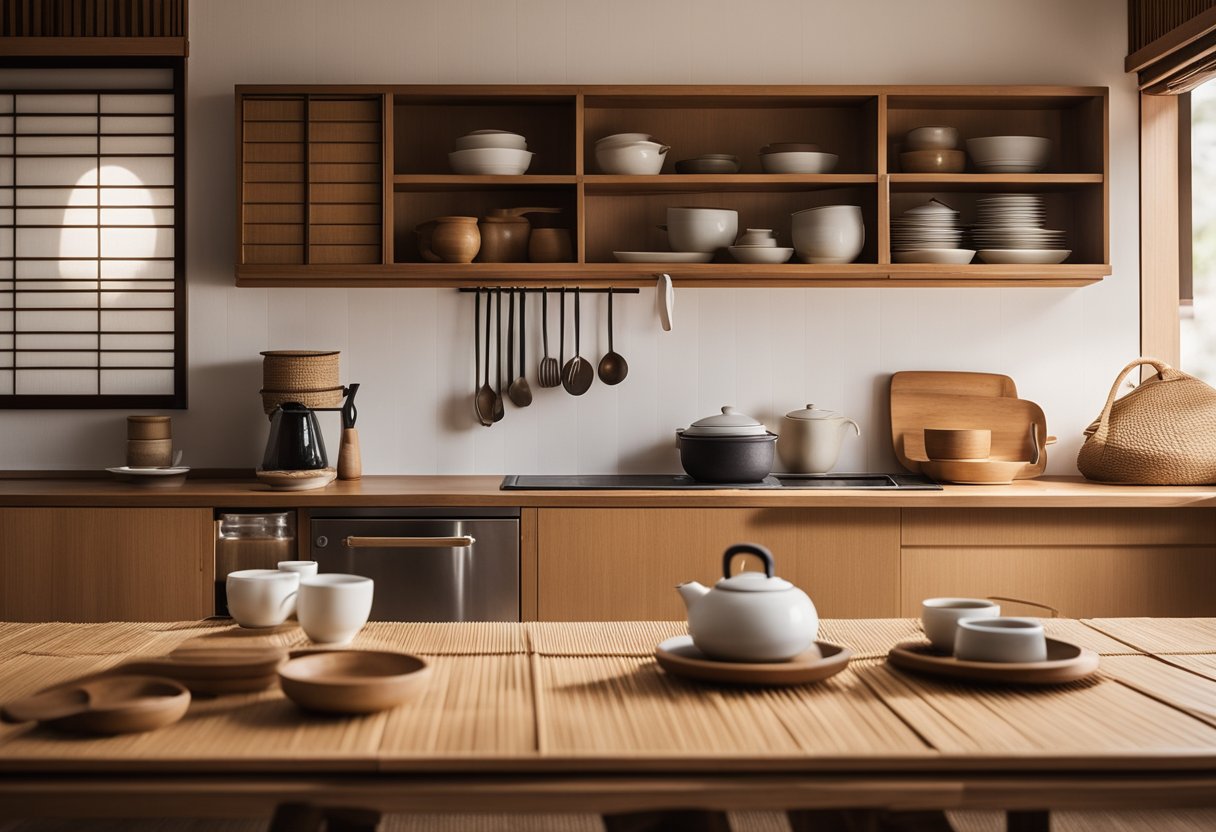
One of the key principles of Japanese kitchen design is to maximise the small space available. This means that every inch of your kitchen is used to its full potential, with clever storage solutions that make the most of every nook and cranny. From pull-out drawers and hidden cabinets to wall-mounted shelves and built-in appliances, a Japanese kitchen is designed to be both beautiful and practical.
So, if you’re looking to create a stylish and functional kitchen in a small space, then Japanese kitchen design could be the perfect solution for you. With its focus on minimalism, simplicity, and clever storage solutions, a small Japanese kitchen can feel spacious and airy, even if it’s just a few square metres in size.
Key Takeaways
- Japanese kitchen design is all about minimalism, simplicity, and functionality
- Maximising small spaces is a key principle of Japanese kitchen design, with clever storage solutions that make the most of every nook and cranny
- Japanese kitchen design is perfect for creating a stylish and functional kitchen in a small space
Fundamentals of Small Japanese Kitchen Design
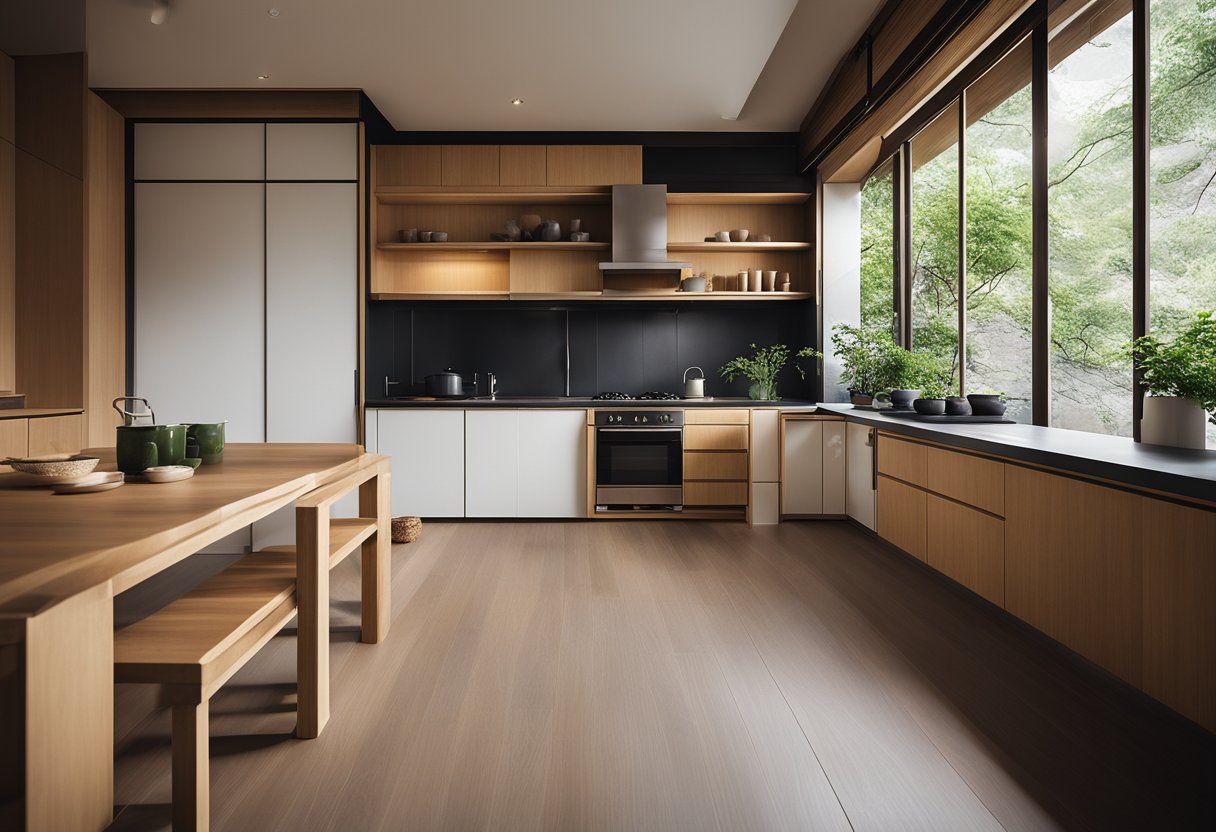
If you’re looking to design a small kitchen, you can take inspiration from the Japanese design philosophy. Japanese kitchens are known for their minimalist and functional design, which maximizes the use of space and creates a serene ambiance. In this section, we’ll explore the fundamentals of small Japanese kitchen design.
Embracing Minimalism and Functionality
The Japanese design philosophy is based on the concept of minimalism, which emphasizes simplicity and functionality. In a small kitchen, it’s important to keep things simple and uncluttered. This means eliminating unnecessary items and focusing on the essentials. Japanese kitchens typically feature minimalist cabinetry with clean lines and a neutral color palette. The use of natural materials such as wood and bamboo adds warmth and texture to the space.
To create a functional kitchen, it’s important to consider the workflow and the placement of appliances. In a small kitchen, every inch counts, so you need to maximize the use of space. For example, you can use pull-out drawers and shelves to store pots and pans, or install a compact dishwasher to save counter space. The goal is to create a kitchen that is both efficient and aesthetically pleasing.
Incorporating Natural Materials and Neutral Colours
In Japanese design, natural materials and neutral colours are used to create a sense of balance and harmony. The use of wood tones and earthy tones such as beige, brown, and grey creates a warm and inviting atmosphere. You can also incorporate natural elements such as plants and stone to add texture and contrast.
To create a Japandi-inspired kitchen, you can combine Japanese and Scandinavian design elements. This style emphasizes simplicity, minimalism, and functionality, and uses a neutral color palette with pops of color. You can also create an open-concept kitchen by removing walls and creating a seamless flow between the kitchen and living area.
In summary, small Japanese kitchen design is all about embracing minimalism and functionality, and incorporating natural materials and neutral colours. By following these principles, you can create a kitchen that is both efficient and aesthetically pleasing.
Optimising Space and Storage Solutions
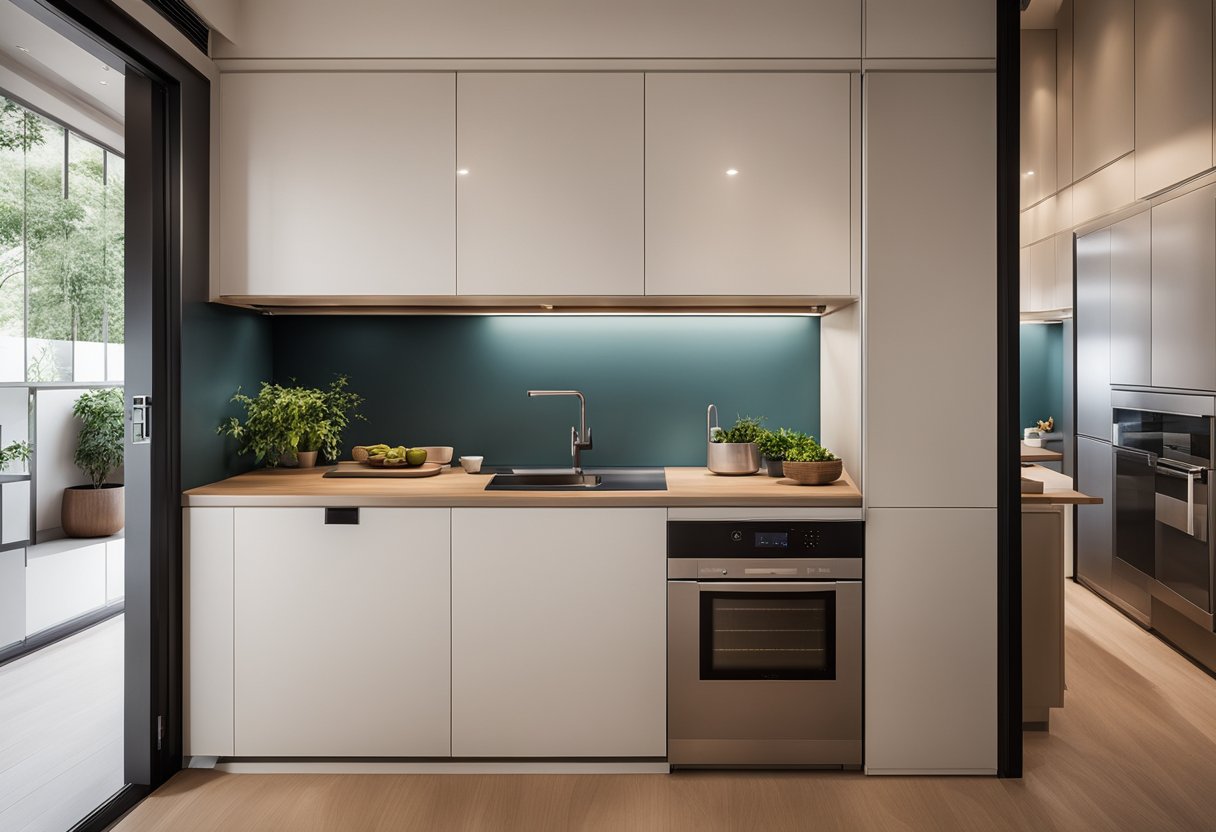
If you are designing a small Japanese kitchen, you need to consider every inch of space. Maximizing the space is crucial in Japanese kitchen design. The open-concept feel of a Japanese kitchen design helps small spaces seem more spacious. Here are some tips for optimising space and storage solutions in your Japanese kitchen.
Smart Cabinetry and Countertop Choices
Cabinetry is an essential element in Japanese kitchen design. The cabinetry should be functional, stylish, and balanced. Japanese kitchen design emphasizes simplicity and wabi-sabi. Wabi-sabi is a Japanese concept that focuses on finding beauty in imperfection and simplicity. You can achieve this by choosing natural stone countertops and hardware with a matte finish.
In addition, you can incorporate drawers and pantry storage to maximize storage space. You can also use open shelving to display your beautiful dishes and greenery. The cabinetry should be designed to have a place for everything, including your appliances and accessories.
Efficient Appliances and Accessories for Compact Living
In a small Japanese kitchen, you need to choose your appliances and accessories wisely. You should consider appliances that are efficient and functional. For example, you can use a compact refrigerator, a single-burner induction cooktop, and a small sink.
You can also use accessories such as magnetic knife holders, hanging pot racks, and utensil hooks to save space. Lighting fixtures are also essential in Japanese kitchen design. You should consider natural light and lighting fixtures that provide a tranquil atmosphere.
Expert advice is always helpful when it comes to designing a small Japanese kitchen. You can consult with a professional designer who specializes in Japanese kitchen design. They can help you create an organized and functional design that incorporates the basics of Japanese culture and design.
In conclusion, designing a small Japanese kitchen requires careful consideration of every inch of space. You can achieve a functional design by incorporating smart cabinetry and countertop choices, efficient appliances and accessories, and expert advice. With the right design, you can create a stylish and organized kitchen that maximizes the small space.
Frequently Asked Questions
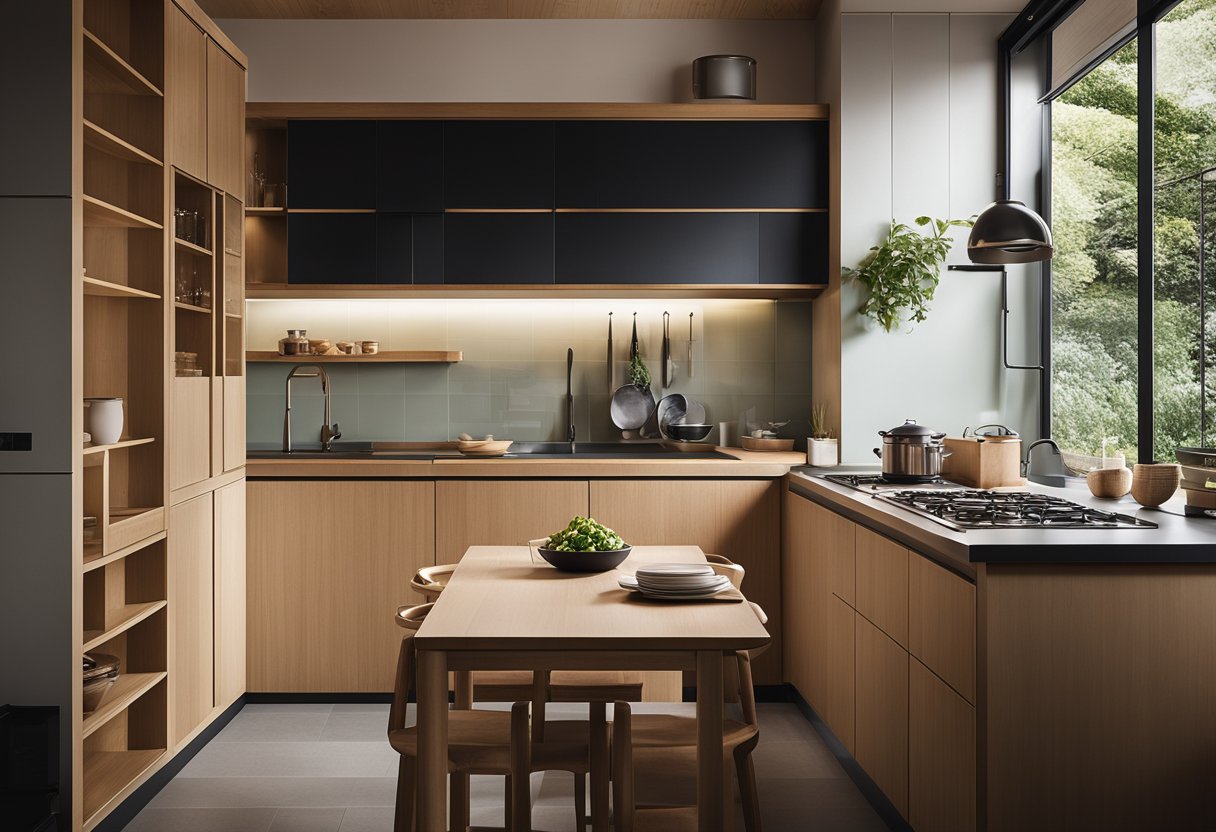
How can I maximise space in my compact kitchen with a Japanese flair?
If you have a small kitchen, don’t worry! Japanese kitchen design is all about maximizing space while maintaining a minimalist aesthetic. Consider using compact appliances, such as a small fridge or a two-burner stove. You can also use wall-mounted storage solutions, like shelves or magnetic knife holders, to free up counter space. To create a Japanese-inspired look, consider using natural materials like wood or bamboo, and keep the colour palette simple and neutral.
What are the essential elements to include in a Japanese-inspired kitchen design?
Japanese kitchen design is all about simplicity, functionality, and elegance. Essential elements to include in your design are natural materials, such as wood or stone, and clean lines. Consider using a neutral colour palette, and incorporating traditional Japanese elements, such as shoji screens or tatami mats. Also, make sure to include ample storage space, as clutter is not part of the Japanese aesthetic.
Could you suggest some Japanese kitchen features that work well in limited spaces?
Japanese kitchen design is all about maximizing space, so there are many features that work well in limited spaces. Consider using sliding doors or screens to separate the kitchen from other areas of the house, and using compact appliances, like a small fridge or a two-burner stove. Also, consider using wall-mounted storage solutions, like shelves or magnetic knife holders, to free up counter space.
What are the best storage solutions for maintaining a sleek Japanese kitchen aesthetic?
To maintain a sleek Japanese kitchen aesthetic, it’s important to keep clutter to a minimum. Consider using built-in cabinets or drawers to hide appliances and other kitchen items. Also, consider using open shelving to display your favourite dishes or cookbooks. To keep things organised, use bamboo or wooden storage containers, and keep your counter space clear of unnecessary items.
How do I incorporate traditional Japanese design elements into a modern, small kitchen layout?
To incorporate traditional Japanese design elements into a modern, small kitchen layout, consider using natural materials like wood or bamboo, and incorporating clean lines and simple shapes. Use traditional Japanese elements, such as shoji screens or tatami mats, to create a sense of authenticity. You can also use traditional Japanese colours, like black, white, and red, to create a cohesive look.
What innovative Japanese kitchen equipment is suitable for a snug cooking area?
Japanese kitchen design is all about functionality and efficiency, so there are many innovative Japanese kitchen equipment options that are suitable for a snug cooking area. Consider using a compact rice cooker, a tabletop grill, or a multi-purpose hot pot. You can also use a compact dishwasher or a combination microwave and convection oven to save space.