
Japanese kitchen cabinet design is a unique and elegant approach that reflects the essence of Japanese culture and cuisine. The design principles of Japanese kitchen cabinets are rooted in simplicity, minimalism, and functionality. With a focus on clean lines, efficient use of space, and natural elements, Japanese kitchen cabinet design aims to create a serene and harmonious environment that enhances the cooking experience and promotes a sense of tranquillity in the kitchen.
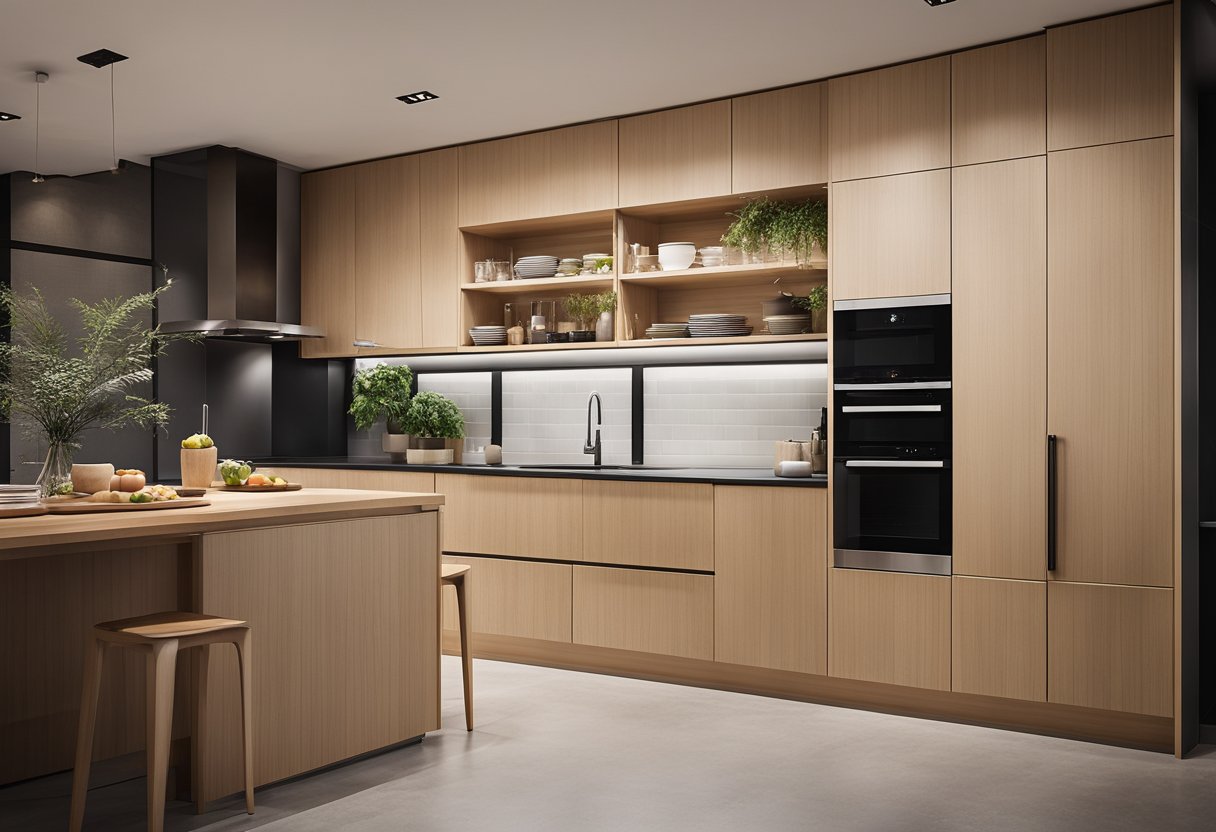
Incorporating Japanese style into modern kitchens can infuse a sense of Zen and sophistication. By embracing the clean, uncluttered aesthetic and integrating traditional Japanese elements such as sliding doors, natural materials, and ample storage, you can create a kitchen that exudes timeless elegance and practicality. Drawing inspiration from Japanese culture, the art of precision, and the appreciation for natural beauty, Japanese kitchen cabinet design offers a refreshing and captivating approach to modern kitchen aesthetics.
Key Takeaways
- Japanese kitchen cabinet design embodies simplicity, minimalism, and functionality, reflecting the essence of Japanese culture and cuisine.
- Incorporating Japanese style into modern kitchens can infuse a sense of Zen and sophistication, promoting a serene and harmonious environment.
- Drawing inspiration from Japanese culture, the art of precision, and the appreciation for natural beauty, Japanese kitchen cabinet design offers a refreshing and captivating approach to modern kitchen aesthetics.
Design Principles of Japanese Kitchen Cabinets
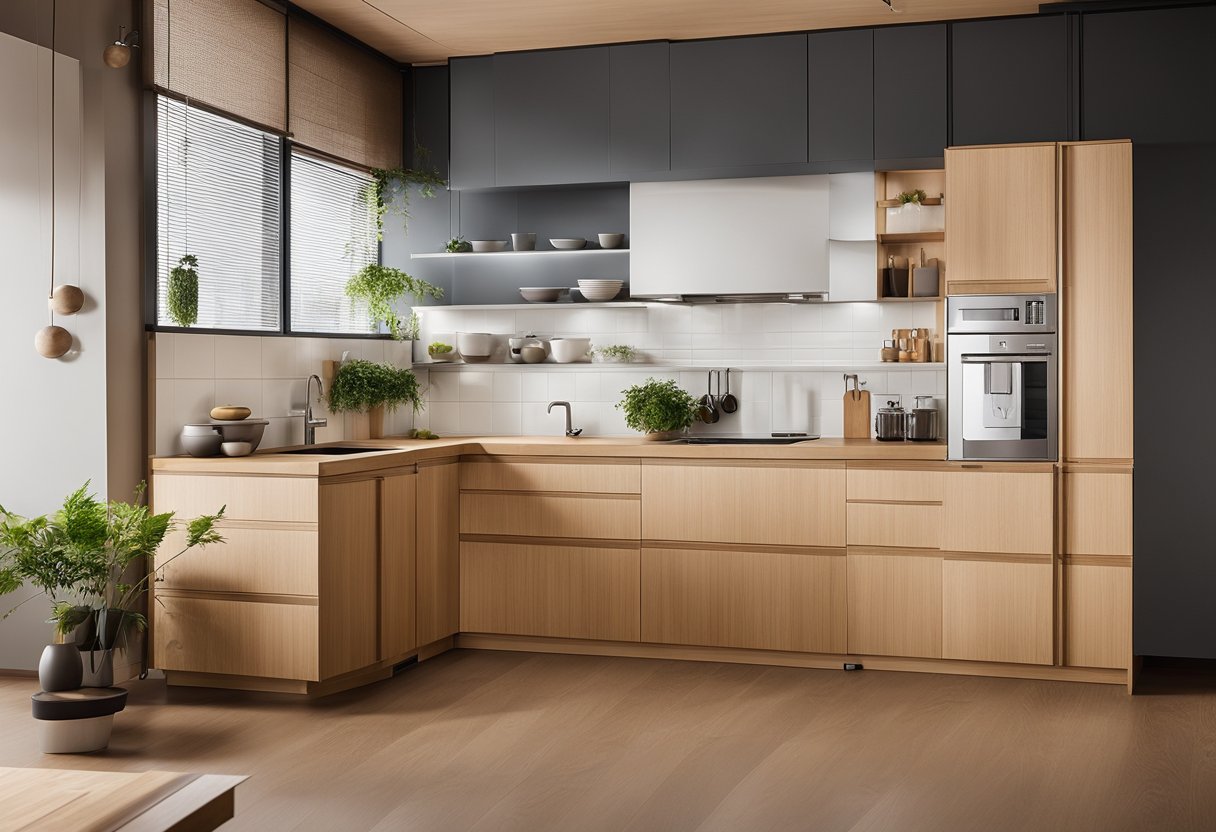
If you are looking for a kitchen design that exudes simplicity, minimalism, and functionality, then Japanese kitchen cabinets are the perfect choice for you. Japanese design is known for its clean lines, harmonious balance, and calming effect. Here are some of the design principles that make Japanese kitchen cabinets stand out:
Minimalism and Functionality
Japanese design is all about minimalism and functionality. Japanese kitchen cabinets are designed to be simple, with clean lines and no unnecessary ornamentation. They are also highly functional, with plenty of storage space and convenient placement of appliances. This design principle ensures that everything you need is within reach, making cooking a breeze.
Natural Materials and Texture
Natural materials such as wood, bamboo, and stone are a hallmark of Japanese design. Japanese kitchen cabinets are often made from these materials, giving them a warm and inviting feel. Texture is also an important aspect of Japanese design, with cabinets often featuring a natural grain pattern or a rough-hewn finish.
Colour Schemes and Lighting
Japanese design often favours a neutral colour palette, with shades of beige, grey, and white being popular choices. This creates a calming and harmonious effect in the kitchen. Lighting is also an important aspect of Japanese design, with soft, diffused lighting being preferred over harsh, bright lights. This creates a warm and inviting atmosphere in the kitchen.
In summary, Japanese kitchen cabinets are all about simplicity, minimalism, and functionality. They are designed to be highly functional, with plenty of storage space and convenient placement of appliances. Natural materials and texture are also important, giving the cabinets a warm and inviting feel. Finally, a neutral colour palette and soft, diffused lighting create a calming and harmonious effect in the kitchen.
Incorporating Japanese Style into Modern Kitchens
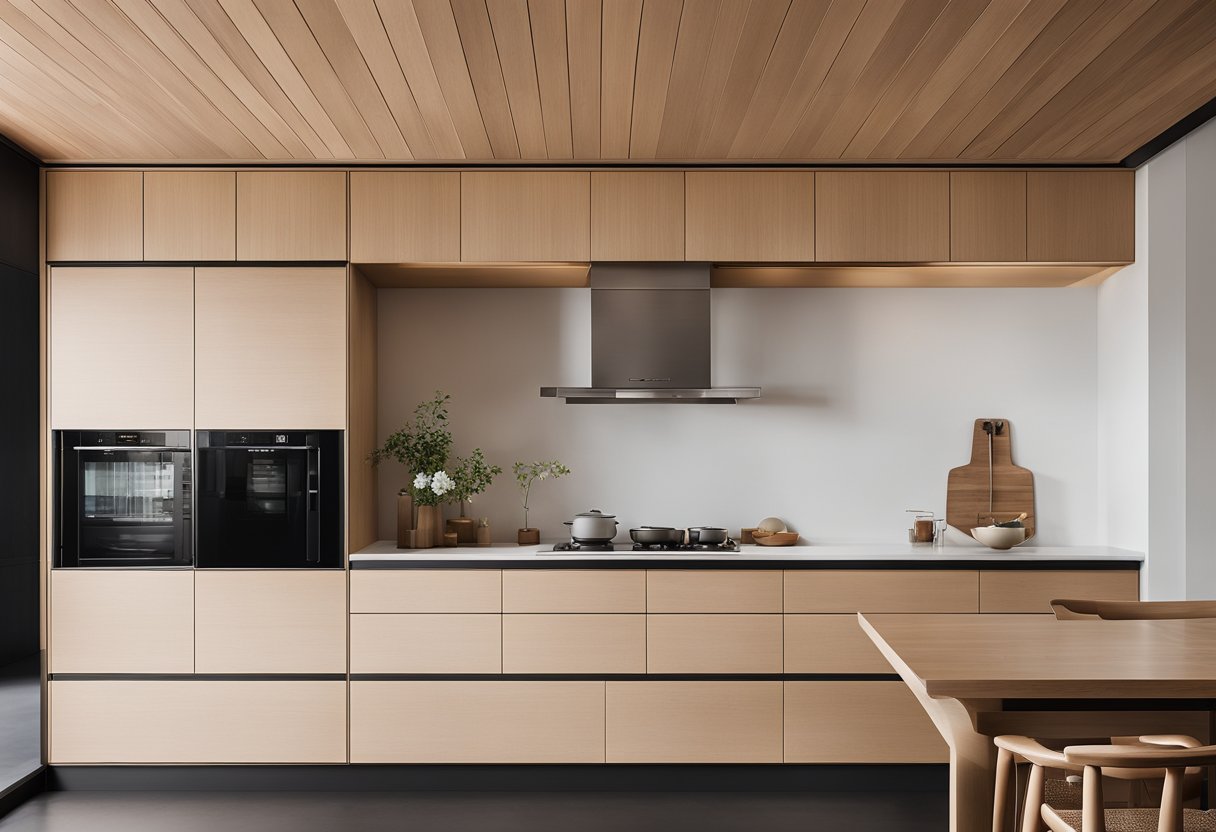
If you are looking to incorporate Japanese style into your modern kitchen, you should consider the following aspects:
Layout and Storage Solutions
The layout of your kitchen is crucial in creating a functional and aesthetically pleasing space. A Japanese-inspired kitchen design typically focuses on open-plan and functional spaces. Consider adding an island to your kitchen for extra counter space and storage. You can also incorporate open shelves and a pantry for easy access to your kitchen utensils and accessories.
Appliances and Accessories
Stainless steel appliances are a popular choice for modern kitchens, and they work well with a Japanese-inspired design. You can also add accessories such as a teapot or rice cooker to your kitchen to add a touch of Japanese culture.
Innovative Features and Trends
Incorporating innovative features and trends into your kitchen design can help you achieve a modern and functional space. Consider adding a dining area with seating to your kitchen for a more social and functional space. You can also add flooring with a monochromatic colour scheme to create a modern and minimalist look.
Japandi is a popular design trend that combines Japanese and Scandinavian styles. It focuses on creating a functional space with a hygge and wabi-sabi feel. You can achieve this look by using neutral colours and natural materials.
In conclusion, incorporating Japanese style into your modern kitchen can create a functional and beautiful space. By focusing on layout, storage solutions, appliances and accessories, and innovative features and trends, you can achieve a Japanese-inspired kitchen interior design that is both functional and aesthetically pleasing.
Frequently Asked Questions
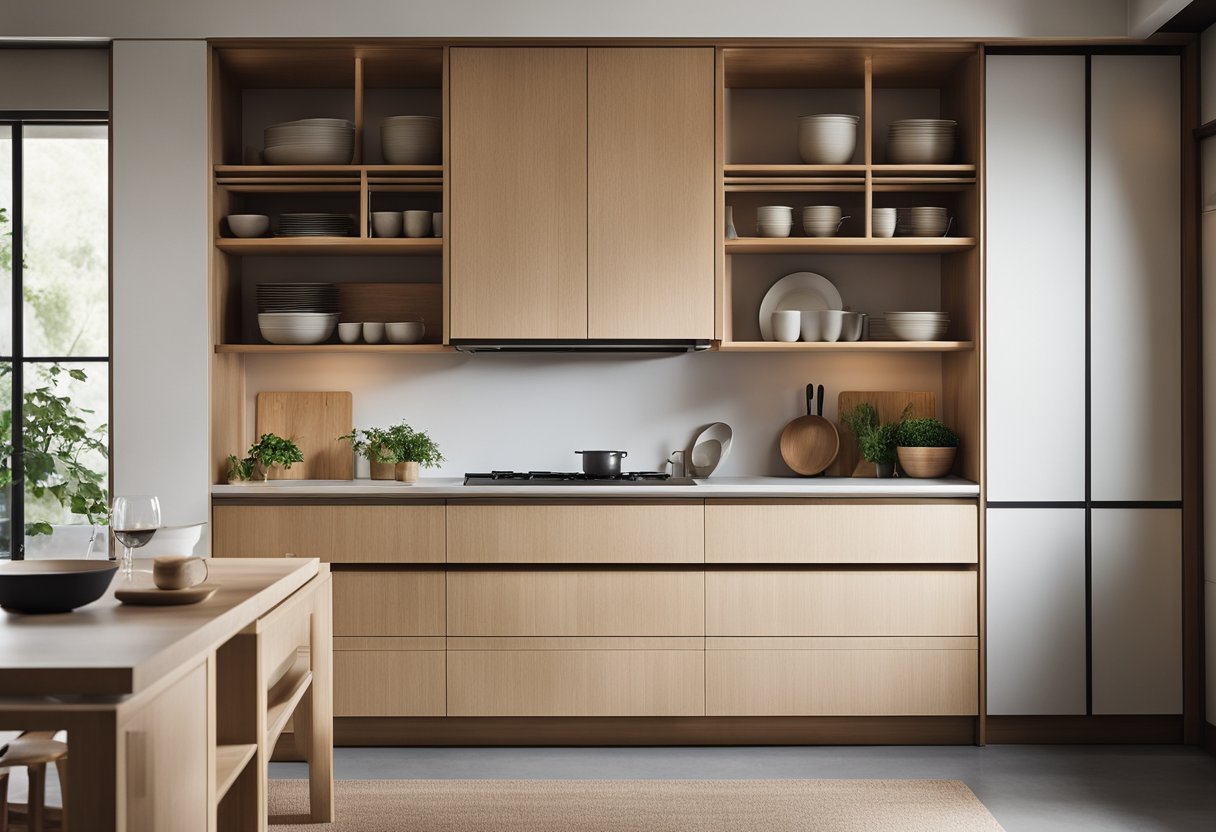
How can I incorporate the elegance of Japanese design into my small kitchen space?
Japanese design is all about minimalism, natural materials, and a focus on functionality. To incorporate the elegance of Japanese design into your small kitchen space, consider using natural materials such as wood, bamboo, and stone. Keep the colour palette simple and neutral, and use clever storage solutions to maximise space. You can also add some Japanese-inspired decor, such as a bonsai tree or a traditional Japanese tea set, to complete the look.
What are the latest innovations in modern Japanese kitchen cabinetry?
Modern Japanese kitchen cabinetry has come a long way from traditional designs. Some of the latest innovations include using sustainable materials, such as bamboo and reclaimed wood, to create eco-friendly cabinets. Other trends include using hidden handles and hinges for a sleek, minimalist look, and incorporating smart technology for added convenience.
Where can I find inspiration for creating a Japanese-style kitchen in my home?
There are many sources of inspiration for creating a Japanese-style kitchen in your home. You can browse design magazines, visit showrooms, and search online for ideas. You can also take inspiration from traditional Japanese homes and gardens, which often feature simple, natural materials and a focus on balance and harmony.
What are the key elements of a Japandi-style kitchen design?
Japandi-style is a fusion of Japanese and Scandinavian design, which combines the simplicity and elegance of Japanese design with the warmth and cosiness of Scandinavian design. The key elements of a Japandi-style kitchen design include using natural materials, such as wood and stone, a neutral colour palette, and minimalist, functional design.
How does one optimise a kitchen layout to achieve the efficiency of a Japanese kitchen?
To optimise a kitchen layout to achieve the efficiency of a Japanese kitchen, consider the flow of the space and the placement of appliances and storage. Keep everything within easy reach, and use clever storage solutions to maximise space. You can also add some Japanese-inspired design elements, such as a sliding door or a built-in sushi bar, to enhance the functionality and style of your kitchen.
What are some exciting ideas for integrating a Japanese sink into my kitchen design?
A Japanese sink is a unique and functional addition to any kitchen design. Some exciting ideas for integrating a Japanese sink into your kitchen design include using natural materials, such as stone or ceramic, to create a traditional look, or incorporating smart technology for added convenience. You can also add some Japanese-inspired decor, such as a bamboo plant or a traditional Japanese lantern, to complete the look.