
Kitchen recessed lighting design is an essential aspect of creating a well-lit and functional culinary space. The strategic placement of recessed lights can significantly impact the overall ambiance and functionality of your kitchen. By providing a clean and modern look, these lights not only enhance the aesthetic appeal but also contribute to increased visibility and energy efficiency.
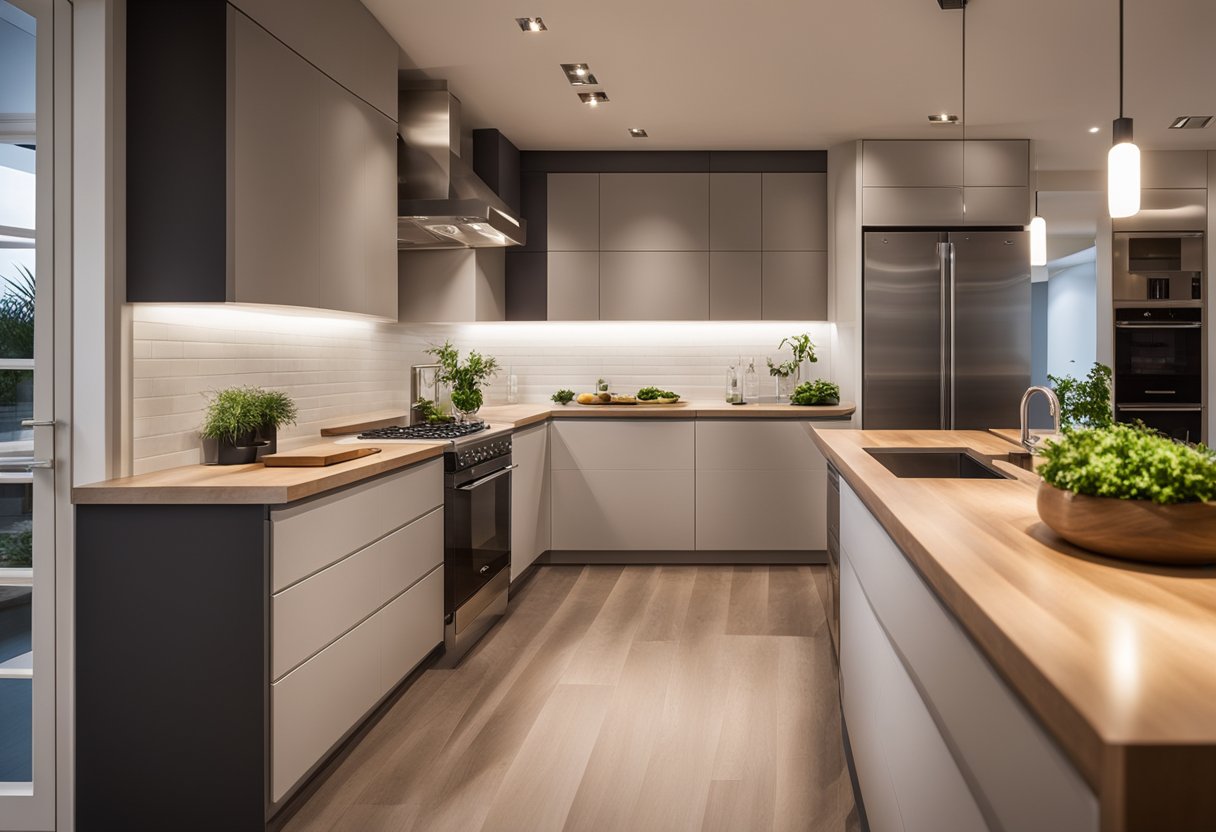
When designing your kitchen lighting layout, it’s important to consider the different types of lighting, including ambient, task, and accent lighting. Each type serves a specific purpose in creating a well-balanced and functional lighting scheme for your kitchen. Properly positioned recessed lights can illuminate work areas, highlight architectural features, and create an inviting atmosphere for your culinary activities.
Understanding the technical considerations for installation is crucial when planning your kitchen recessed lighting design. Factors such as the placement of light fixtures, the type of bulbs used, and the wiring requirements all play a pivotal role in achieving the desired lighting effect. Additionally, addressing frequently asked questions about kitchen recessed lighting can provide valuable insights into making informed decisions for your lighting design project.
Key Takeaways
- Strategic placement of recessed lights enhances both the aesthetic appeal and functionality of your kitchen.
- Different types of lighting, including ambient, task, and accent lighting, play a crucial role in creating a well-balanced lighting scheme for your kitchen.
- Understanding the technical considerations and addressing common questions is essential for a successful kitchen recessed lighting design project.
Designing Your Kitchen Lighting Layout
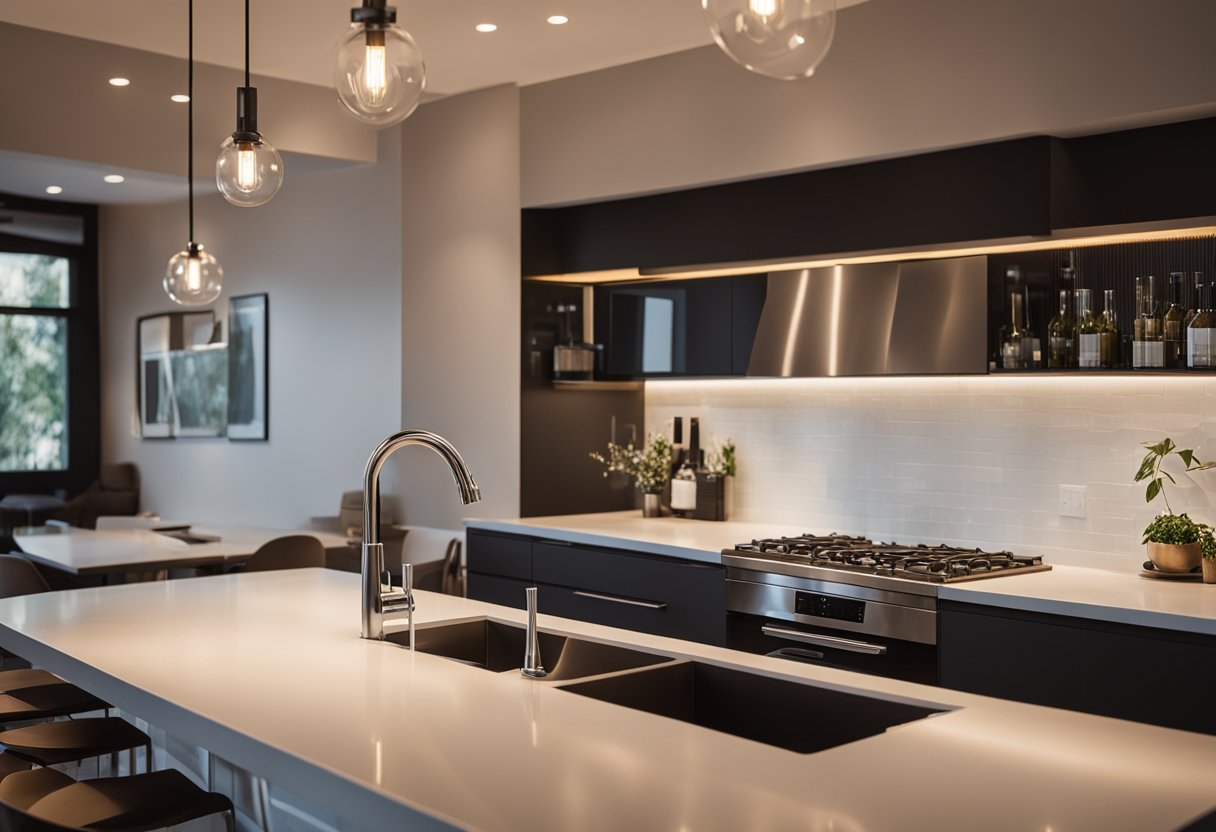
Designing a well-lit kitchen is essential to create a space that is both functional and visually appealing. A good lighting plan should include a combination of general, task, and mood lighting, which can be achieved with a variety of lighting fixtures, including recessed lights, pendants, chandeliers, and under-cabinet lights. In this section, we’ll cover the key factors to consider when designing your kitchen lighting layout.
Determining the Right Spacing and Positioning
When planning your kitchen lighting layout, it’s important to consider the dimensions and square footage of your kitchen, as well as the ceiling height and the area you want to highlight. Proper spacing and positioning of your recessed lights can help create a brighter, well-lit kitchen that is perfect for cooking and socializing.
To determine the right spacing and positioning, consider the purpose of your lighting solution. For general lighting, you may want to space the recessed lights evenly throughout the whole room. For task lighting, you may want to concentrate the lights over your workspace, such as the kitchen island, sink, stove, and counters.
Choosing the Perfect Recessed Lighting Fixtures
Recessed lights are a popular choice for kitchen lighting because they are sleek, modern, and versatile. They can be installed in the ceiling space, above kitchen cabinets, or in the perimeter of the room. When choosing the perfect recessed lighting fixtures, consider the type of recessed housing, the bulb type, and the colour temperature.
IC housings are designed for insulated ceilings, while non-IC housings are designed for non-insulated ceilings. Wide-angle lights provide a wider beam spread, while narrow-beam lights provide a more focused beam. LED bulbs are a popular choice for recessed lighting because they are energy-efficient and long-lasting.
Creating Mood with Lighting Layers
In addition to general and task lighting, mood lighting can help create a warm and inviting atmosphere in your kitchen. Mood lighting can be achieved with a variety of lighting fixtures, including dimmer switches, pendant lights, chandeliers, under-cabinet lights, and decorative lighting.
Dimmer switches can help you adjust the brightness of your lights to create the perfect mood. Pendant lights and chandeliers can add visual interest and highlight your kitchen island or dining area. Under-cabinet lights can provide task lighting and create a warm glow. Decorative lighting, such as sconces and cabinet lights, can add a touch of elegance to your kitchen.
Incorporating Decorative Elements
Finally, don’t forget to incorporate decorative elements into your kitchen lighting layout. Decorative elements can include pendant lights, chandeliers, under-cabinet lights, and sconces. These fixtures can add visual interest and create a focal point in your kitchen.
When incorporating decorative elements, consider the overall style of your kitchen and choose fixtures that complement your design. For example, if you have a modern kitchen, you may want to choose sleek and minimalist fixtures. If you have a traditional kitchen, you may want to choose fixtures with ornate details and warm finishes.
By considering the factors above and incorporating a variety of lighting fixtures, you can create a well-lit kitchen that is both functional and visually appealing. Avoid common mistakes, such as installing too few lights or using bulbs that are too bright, and create a kitchen that is perfect for cooking, socializing, and relaxing.
Technical Considerations for Installation
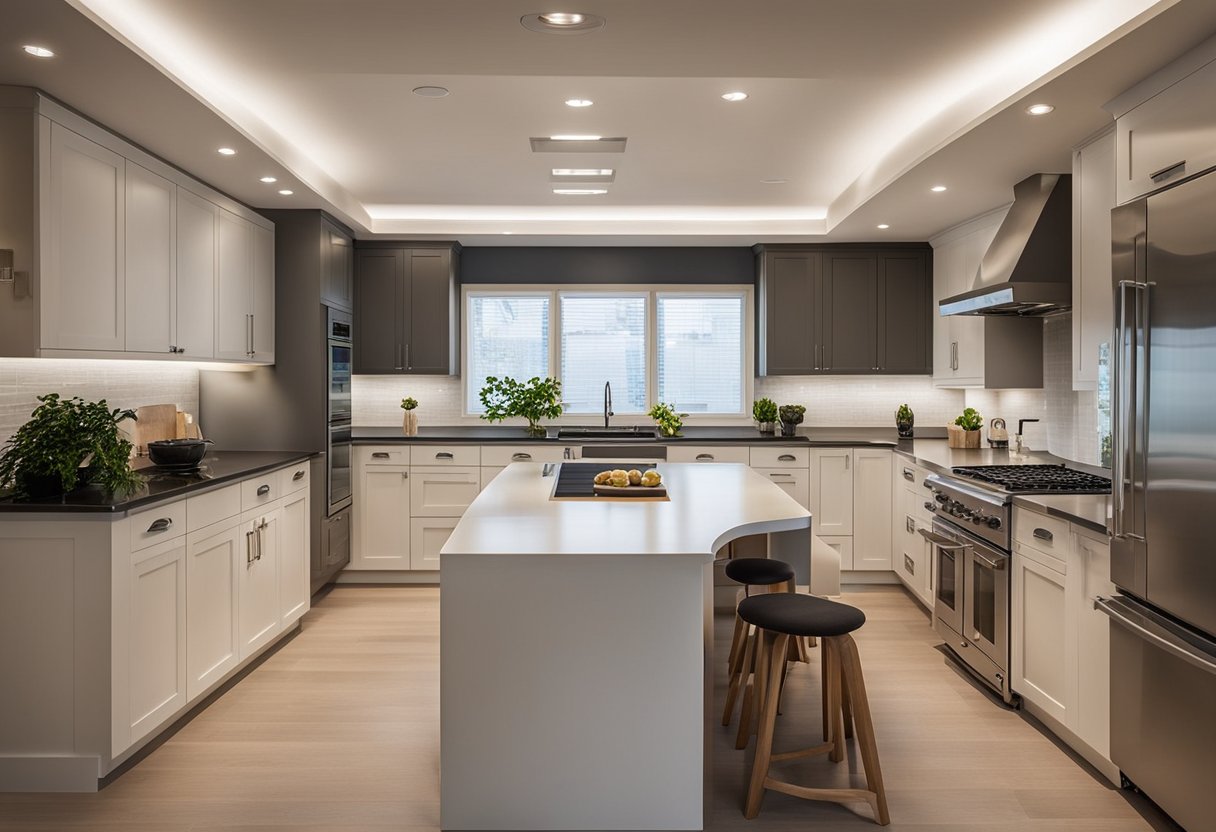
When planning the installation of your kitchen recessed lighting, there are several technical considerations to keep in mind to ensure that the process goes smoothly and safely. Here are some of the key factors you should consider:
Understanding Wiring and Electrical Requirements
Before you begin installing your kitchen recessed lighting, it’s important to understand the wiring and electrical requirements. You’ll need to determine whether you need to install new wiring or if you can use existing wiring. You’ll also need to ensure that the wiring is compatible with your chosen lighting fixtures and dimmer switches.
Selecting the Appropriate Bulbs and Dimmers
Another important consideration is selecting the appropriate bulbs and dimmers. LED bulbs are a popular choice for recessed lighting due to their energy efficiency and long lifespan. When selecting your bulbs, consider factors such as colour temperature and lumens. Additionally, you’ll need to choose dimmer switches that are compatible with your bulbs and ensure that they are installed correctly.
Navigating Building Regulations and Safety Standards
Finally, it’s important to navigate building regulations and safety standards when installing your kitchen recessed lighting. You’ll need to ensure that your lighting plan complies with local building codes and regulations. Additionally, you’ll need to choose the appropriate housing for your recessed lighting fixtures. IC housings are suitable for direct contact with insulation, while non-IC housings require a minimum clearance distance from insulation.
By considering these technical factors, you can ensure that your kitchen recessed lighting installation is safe, efficient, and effective.
Frequently Asked Questions
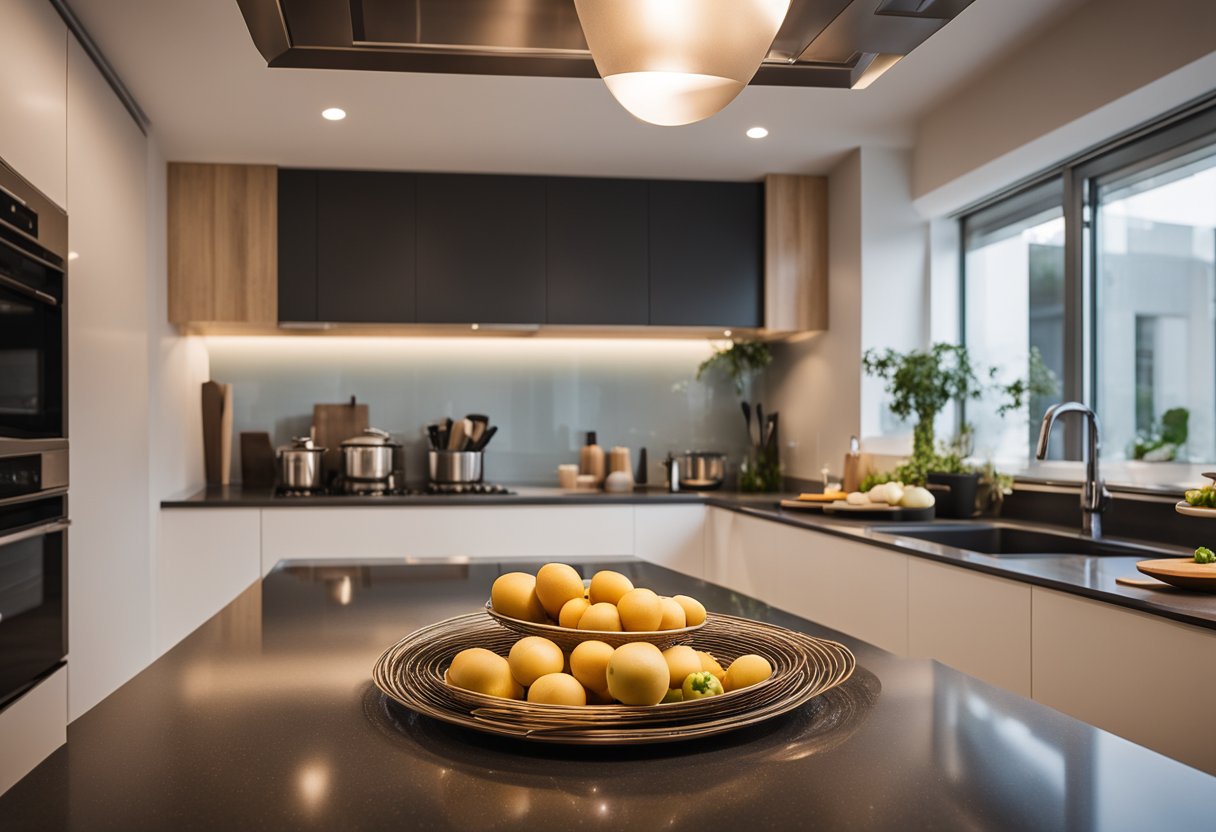
What’s the ideal number of recessed lights for a cosy kitchen space?
The number of recessed lights you need for your kitchen depends on the size of your kitchen and the lighting effect you want to achieve. As a general rule of thumb, you should have one recessed light for every 4 to 6 square feet of ceiling space. For a cosy kitchen space, you can go for a lower number of recessed lights to create a warm and inviting atmosphere.
How should recessed lights be positioned for the perfect kitchen ambiance?
The position of the recessed lights in your kitchen is crucial for creating the perfect ambiance. You can position the lights in a grid pattern or a more organic arrangement, depending on your preference. For a cosy kitchen, you can place the lights closer to the walls to create a warm glow. You can also position the lights above the cabinets to create a beautiful accent lighting effect.
Are there any creative design ideas for integrating recessed lighting in modern kitchens?
There are many creative ways to integrate recessed lighting in modern kitchens. You can use recessed lights to highlight artwork, architectural features, or kitchen appliances. You can also install recessed lights in the toe kick of your cabinets to create a beautiful under-cabinet lighting effect.
What’s the latest trend that’s lighting up kitchens with recessed fixtures?
The latest trend in kitchen recessed lighting is the use of smart lighting technology. Smart lighting allows you to control your kitchen lights with your smartphone or voice commands. You can adjust the brightness of your lights, change the colour temperature, and even create custom lighting scenes for different occasions.
Should I choose 4-inch or 6-inch recessed lights to create a delightful kitchen atmosphere?
The size of the recessed lights you choose depends on the size of your kitchen and the lighting effect you want to achieve. 4-inch recessed lights are ideal for small kitchens, while 6-inch recessed lights are perfect for larger kitchens. You can also mix and match different sizes of recessed lights to create a more dynamic lighting effect.
How can I calculate the perfect recessed lighting layout for a charming and functional kitchen?
To calculate the perfect recessed lighting layout for your kitchen, you need to consider the size of your kitchen, the height of your ceiling, and the lighting effect you want to achieve. You can use an online recessed lighting calculator to help you determine the number of lights you need and their placement. Alternatively, you can consult with a professional lighting designer to create a custom lighting plan for your kitchen.