
Italian interior design is known for its elegance, sophistication, and timeless beauty. Italian kitchen design, in particular, is renowned for its classic yet modern style that combines functionality with aesthetics. If you’re looking to upgrade your kitchen, Italian interior design may be the perfect inspiration for you.
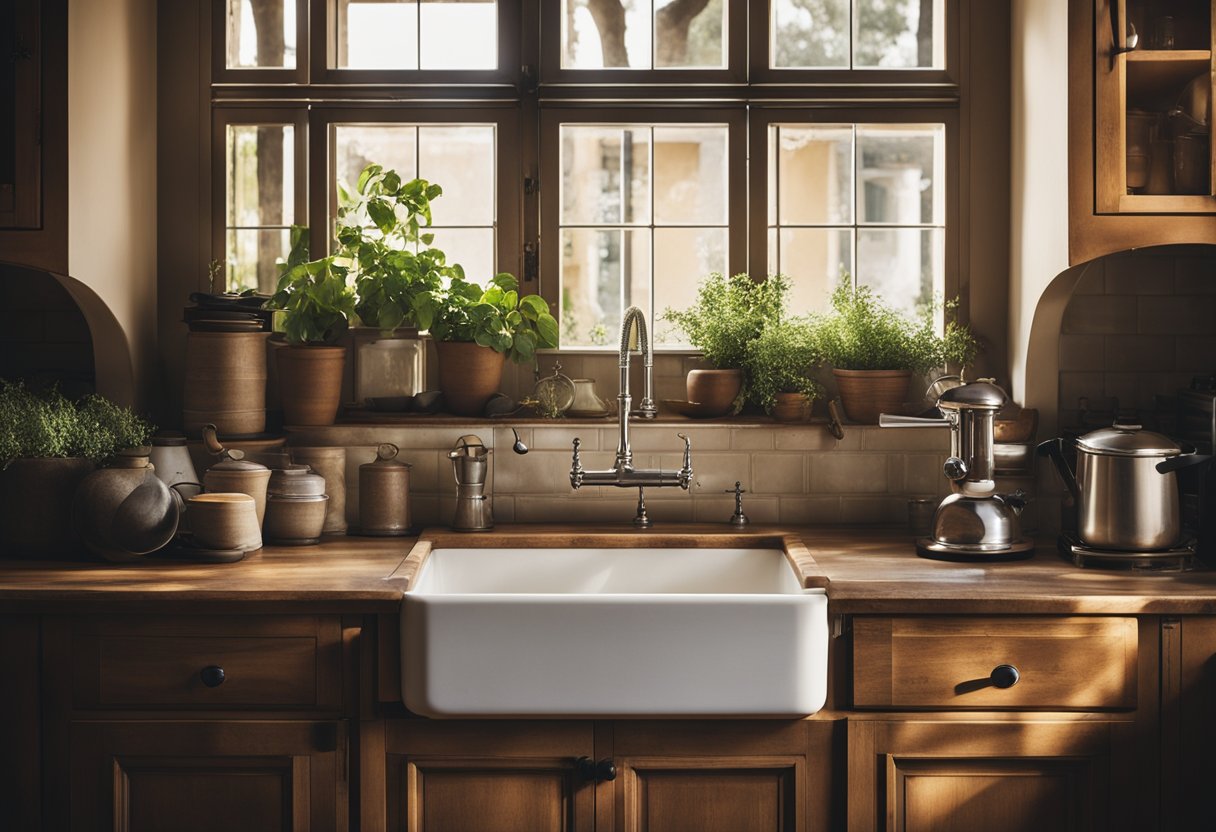
Designing Your Italian Kitchen involves a careful balance of form and function. Italian kitchen design is characterized by sleek lines, high-quality materials, and a focus on practicality. Whether you’re working with a small space or a large one, Italian style can help you create a kitchen that is both beautiful and functional.
Cultural Influence and Authenticity play a significant role in Italian interior design. From the use of natural materials like stone and wood to the incorporation of traditional Italian elements like stucco walls and terracotta tiles, Italian kitchen design is all about authenticity. By embracing the cultural influence of Italian design, you can create a kitchen that is not only beautiful but also reflects your personal style and taste.
Key Takeaways
- Italian interior design is known for its elegance, sophistication, and timeless beauty.
- Designing Your Italian Kitchen involves a careful balance of form and function.
- Cultural Influence and Authenticity play a significant role in Italian interior design.
Designing Your Italian Kitchen
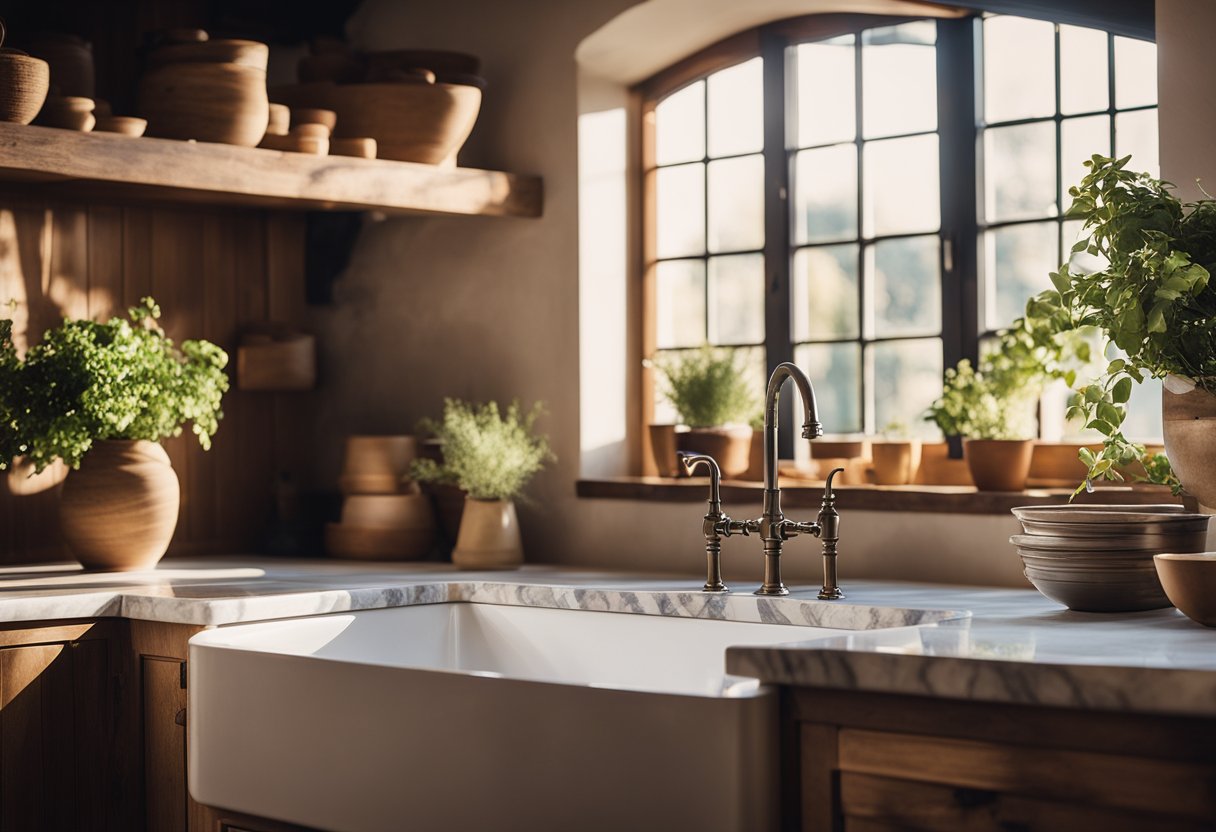
Designing an Italian kitchen is an exciting process that requires careful consideration of various elements such as layout concepts, material selection, colour and texture, furniture and accessories, lighting solutions, and integrating modern elements. In this section, we will explore each of these elements to help you create a beautiful and functional Italian kitchen that is warm, welcoming, and practical.
Essential Layout Concepts
The layout of your Italian kitchen is crucial to its functionality and practicality. Consider an open shelving concept that provides ample storage space while showcasing your beautiful dishware. A farmhouse sink is also a popular feature in Italian kitchens that adds rustic charm and functionality. Ensure that your layout allows for easy movement and access to all areas of the kitchen.
Material Selection
Italian kitchens are known for their use of natural materials such as wood, stone, marble, granite, and terracotta. These materials add an earthy, warm feel to the kitchen. Consider using distressed furniture and wrought iron accessories to enhance the rustic feel of your kitchen.
Colour and Texture
Warm colours such as ochre, burnt orange, and creamy whites are popular choices for Italian kitchens. These colours add a welcoming and inviting feel to the kitchen. Consider using textured finishes such as natural stone or terracotta tiles to add depth and character to your kitchen.
Furniture and Accessories
Furniture and accessories play a crucial role in Italian kitchen design. Consider using distressed furniture and wrought iron accessories to enhance the rustic feel of your kitchen. These elements add character and charm to the space. Ensure that your furniture is functional and practical, with ample storage space to keep your kitchen organised.
Lighting Solutions
Lighting is an essential element in any kitchen design. Natural light is ideal for Italian kitchens, but if this is not possible, consider using wall sconces or pendant lighting to create a warm and inviting atmosphere. Ensure that your lighting is functional and practical, providing ample illumination for all areas of the kitchen.
Integrating Modern Elements
While Italian kitchens are known for their rustic charm, integrating modern elements can add a sleek and contemporary feel to the space. Consider using clean lines and minimalism to create a modern and sophisticated look. Ensure that your modern elements complement the rustic charm of your kitchen, creating a harmonious and balanced space.
In conclusion, designing your Italian kitchen requires careful consideration of various elements such as layout concepts, material selection, colour and texture, furniture and accessories, lighting solutions, and integrating modern elements. By following these guidelines, you can create a beautiful and functional Italian kitchen that is warm, welcoming, and practical.
Cultural Influence and Authenticity
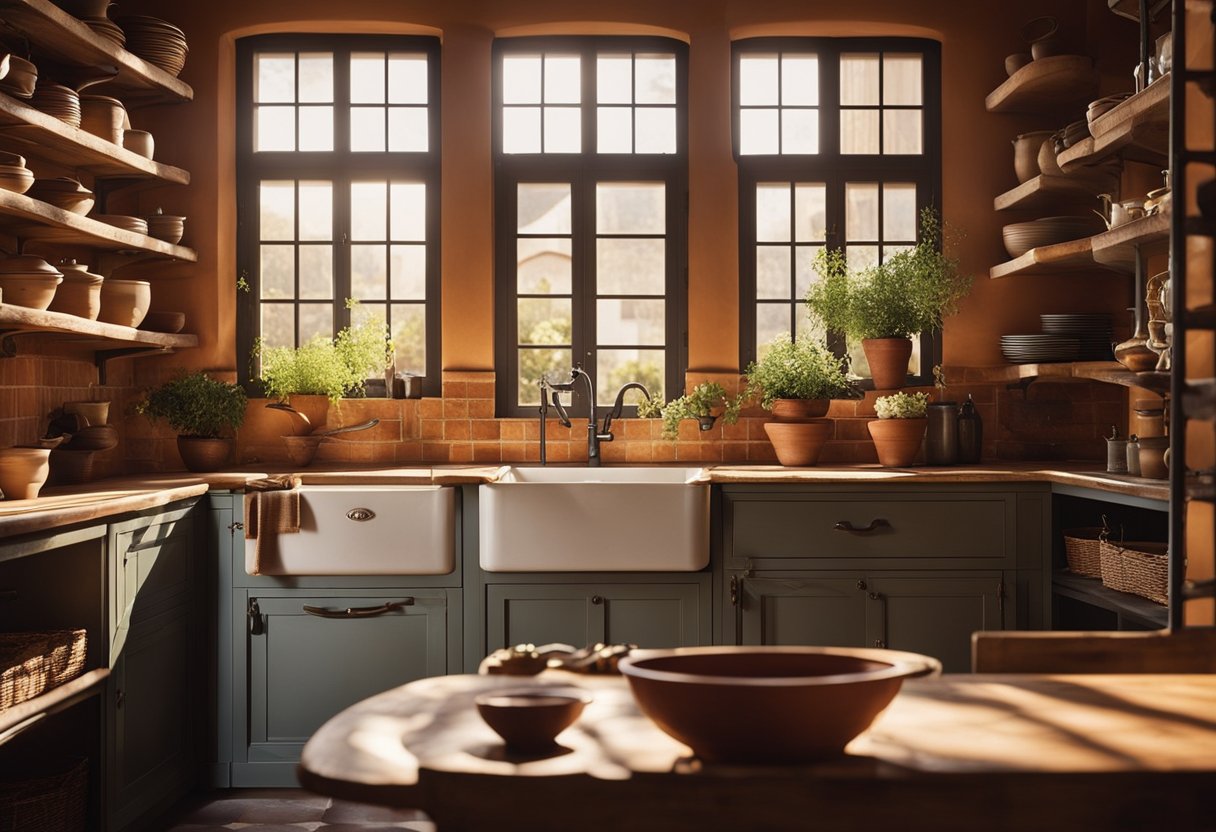
If you’re looking to create an authentic Italian kitchen, you’ll want to draw inspiration from the rich cultural heritage of Italy. Tuscan inspirations are a great starting point, with their rustic style and warm, welcoming atmosphere. Natural wood is often used in Tuscan kitchens, creating a comfortable and inviting space that is perfect for cooking and entertaining.
Traditional Italian materials are also a key element of authentic Italian kitchen design. Terra cotta tiles, natural stones, and wrought iron accents are all commonly used to create a warm and inviting atmosphere. Brands such as Scavolini, Arclinea, and Boffi are known for their exceptional quality and attention to detail when it comes to Italian kitchen décor.
Decorative accents are another important aspect of Italian kitchen design. Plants are often used to add a touch of nature to the space, while wrought iron accents and wood ceiling beams can add a sense of rustic charm. Large windows are also a common feature of Italian kitchens, allowing natural light to flood the space and creating a bright and airy atmosphere.
When it comes to colour palette, Italian kitchens often embrace the brilliant blues, oranges, and greens of the Mediterranean Sea and Italian landscape. These colours can be used to create a vibrant and lively space that is perfect for cooking and entertaining.
Architectural details are also an important aspect of Italian kitchen design. Terra cotta tiles, natural stones, and wrought iron accents can be used to create a warm and inviting atmosphere, while wood ceiling beams and large windows can add a sense of rustic charm. By incorporating these elements into your kitchen design, you can create an authentic Italian space that is both beautiful and functional.
Frequently Asked Questions
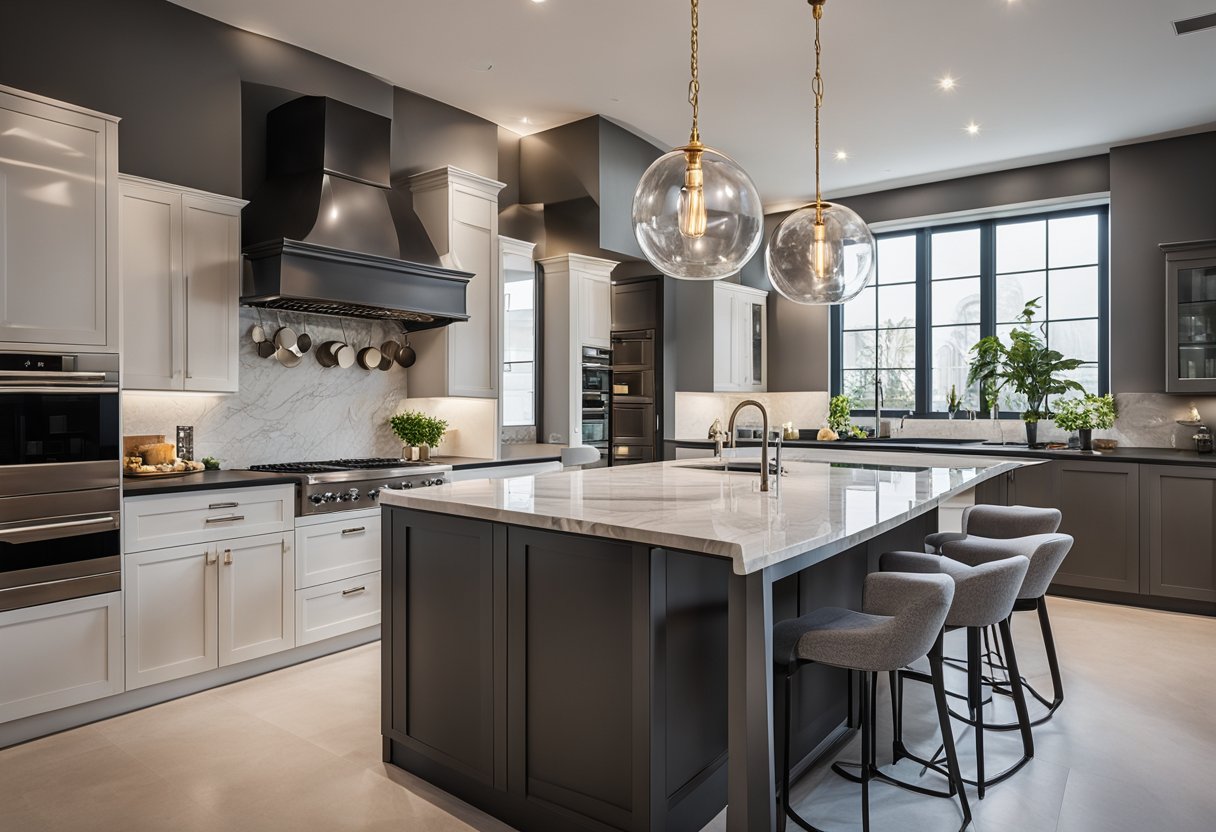
What are the defining features of a contemporary Italian kitchen design?
Contemporary Italian kitchen designs are characterized by their sleek and modern look. They typically feature clean, straight lines and a minimalist aesthetic. The use of high-quality materials such as marble, granite, and stainless steel is also a hallmark of contemporary Italian kitchen design.
How can one maximise space in a compact kitchen with an Italian aesthetic?
To maximize space in a compact kitchen with an Italian aesthetic, it’s important to focus on functionality and efficiency. Consider using multi-functional furniture and appliances, such as an island with built-in storage or a pull-out pantry. Opt for light colours and reflective surfaces to make the space feel larger and brighter.
Could you suggest some Italian-inspired ideas for a kitchen makeover?
If you’re looking for Italian-inspired ideas for a kitchen makeover, consider incorporating elements such as terracotta tiles, wrought iron accents, and warm earth tones. You could also add a rustic touch with exposed brick or wood beams. For a more modern look, consider using sleek, high-gloss finishes and minimalist design elements.
What are the hallmarks of a simple yet authentic Italian kitchen design?
Simple yet authentic Italian kitchen designs are characterized by their focus on functionality and practicality. They typically feature high-quality materials such as wood, stone, and ceramic, and often incorporate traditional elements such as open shelving and a large, central work surface.
What are the latest trends in Italian kitchen design for this year?
This year, the latest trends in Italian kitchen design include the use of bold, vibrant colours such as deep blues and rich greens, as well as the incorporation of natural materials such as wood and stone. Minimalist design elements such as sleek, handleless cabinets and hidden appliances are also popular.
Where can I find inspiration for Italian kitchen design through photos?
There are many resources available for finding inspiration for Italian kitchen design through photos. Interior design websites and blogs are a great place to start, as are social media platforms such as Pinterest and Instagram. You could also browse home decor magazines or visit showrooms and design exhibitions for ideas.