
If you’re looking to design a kitchen that’s both functional and visually appealing, you might want to consider Turkish kitchen design. With its earth tones, natural materials, and intricate patterns, Turkish kitchen design combines functionality with attractive styles and visual alternatives. Turkish kitchens prioritize both form and function, with efficient layouts and ample storage solutions.
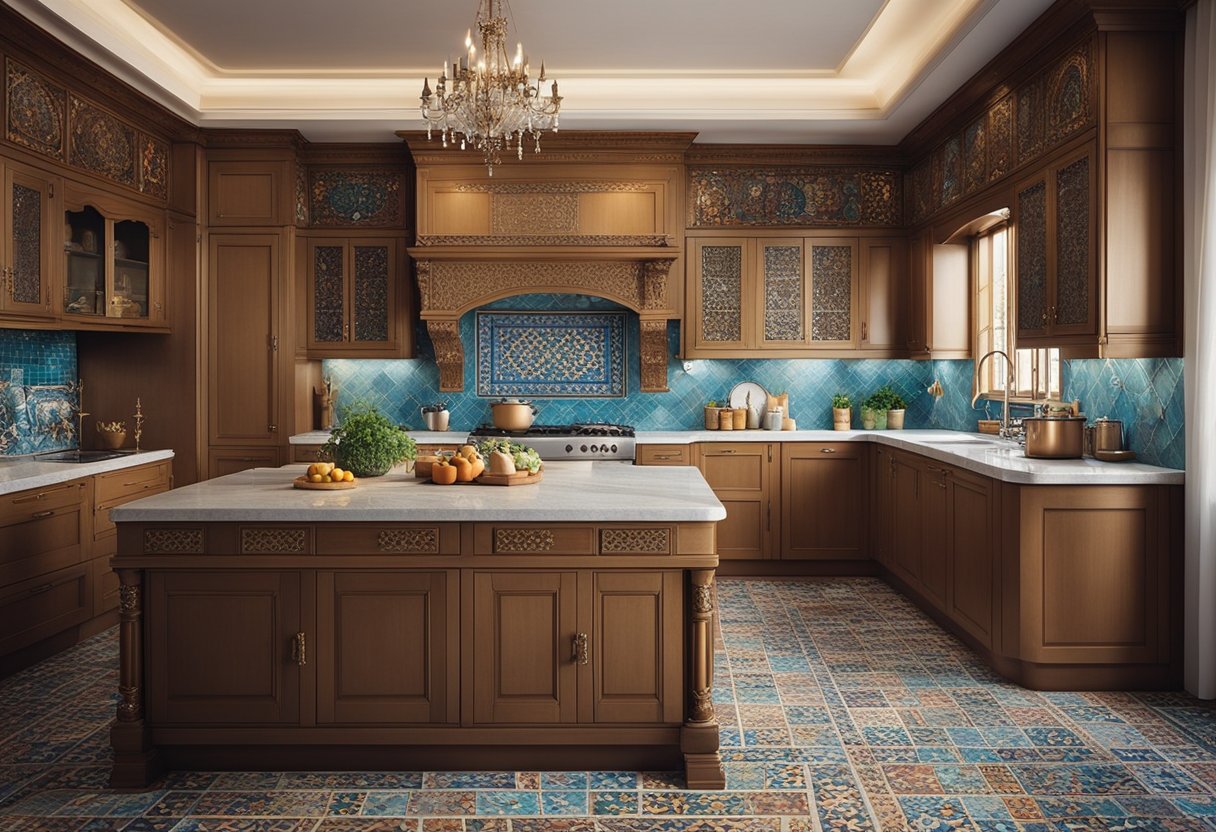
In traditional Turkish kitchen design, the stove is often the focal point of the kitchen, with ample counter space and storage surrounding it. Earthy colours like beige, brown, and cream are often used, along with natural materials like wood, stone, and clay. Intricate patterns, such as those found in Turkish ceramics and textiles, are also incorporated into the design.
While traditional Turkish kitchen design is still popular, modern adaptations have also emerged. These often feature sleek, minimalist designs, with clean lines and a focus on functionality. If you’re interested in exploring Turkish kitchen design for your home, keep reading to learn more about the essentials of Turkish kitchen design, modern adaptations in Turkish kitchens, and answers to frequently asked questions.
Key Takeaways
- Turkish kitchen design combines functionality with attractive styles and visual alternatives.
- Traditional Turkish kitchen design features earthy colours, natural materials, and intricate patterns.
- Modern adaptations of Turkish kitchen design often feature sleek, minimalist designs with a focus on functionality.
Essentials of Turkish Kitchen Design
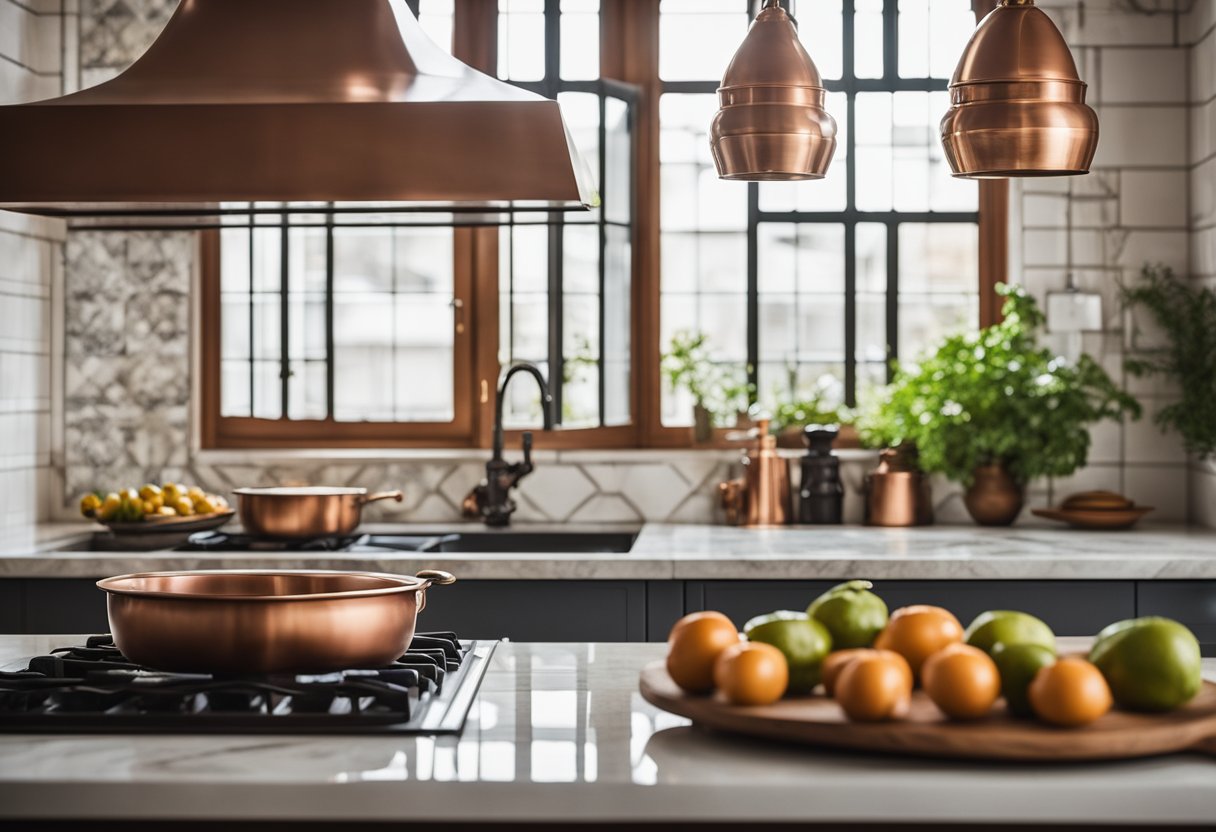
If you’re looking to create a traditional Turkish kitchen, there are a few key elements that you should consider incorporating. From traditional elements to vibrant colours and functional layouts, these design features will help you create an authentic Turkish kitchen that is both beautiful and practical.
Incorporating Traditional Elements
One of the most important aspects of Turkish kitchen design is the incorporation of traditional elements. This could include anything from traditional Turkish tiles to ornate copper cookware. By incorporating these elements into your kitchen design, you can create a space that feels authentic and true to the colourful world of the east.
Colour and Patterns
Another important aspect of Turkish kitchen design is the use of vibrant colours and intricate patterns. From bright blues and greens to rich reds and oranges, Turkish kitchens are known for their bold colour choices. You could incorporate these colours into your kitchen design through your choice of tiles, paint, or even kitchen accessories.
Functional Layouts for Turkish Cuisine
Finally, when designing your Turkish kitchen, it’s important to consider the functional layout of the space. Turkish cuisine is known for its use of fresh ingredients and intricate spices, so you’ll want to ensure that your kitchen is designed to make food preparation as easy and efficient as possible. This could include incorporating plenty of counter space, installing a large sink for washing vegetables and fruits, and ensuring that your kitchen is well-lit and ventilated.
Overall, creating an authentic Turkish kitchen is all about incorporating traditional elements, embracing the colourful world of the east, and designing a space that is both beautiful and functional. By following these essential design principles, you can create a kitchen that is perfect for cooking up delicious Turkish cuisine and entertaining friends and family.
Modern Adaptations in Turkish Kitchens
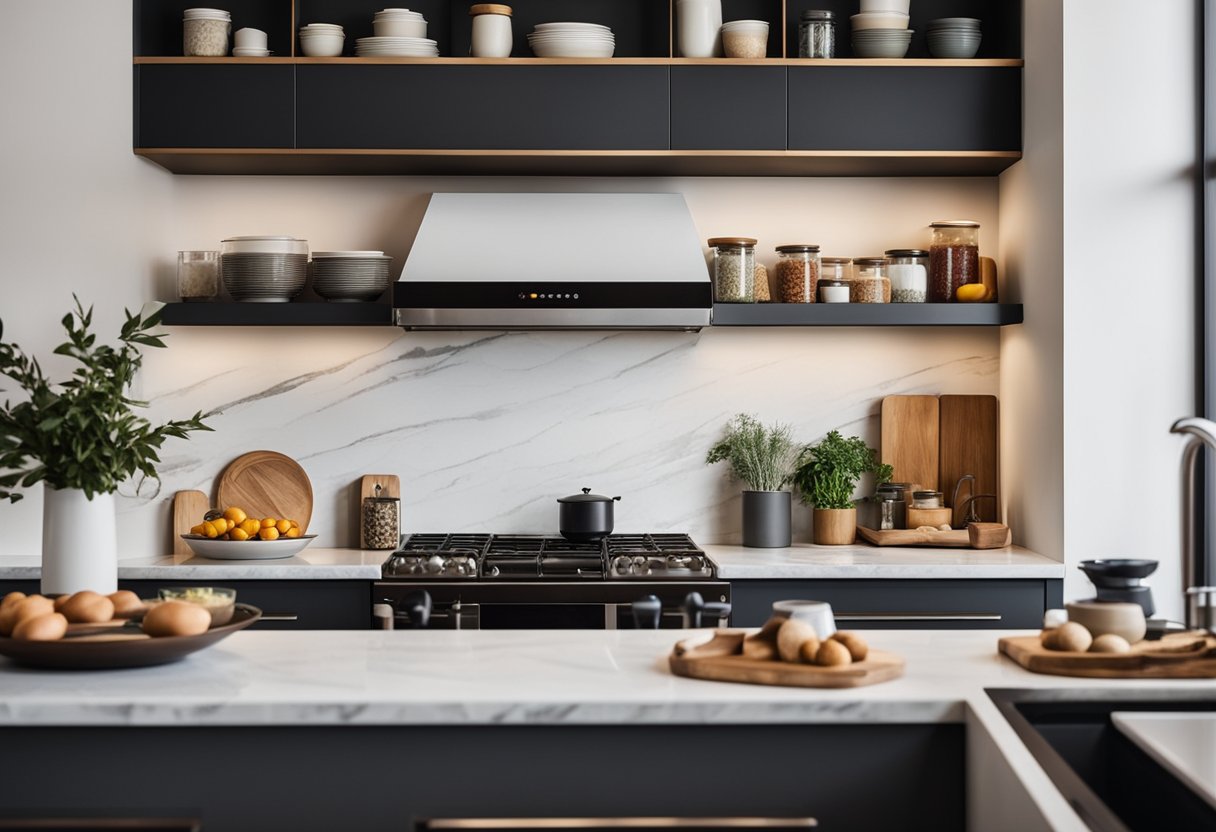
If you are looking to renovate your kitchen, a modern adaptation of Turkish kitchen design may be the perfect fit. Modern adaptations of Turkish kitchens blend traditional elements with contemporary styles, creating a unique and exciting space that is both functional and beautiful.
Contemporary Materials and Durability
One of the key features of modern Turkish kitchens is the use of contemporary materials. While traditional Turkish kitchens often featured ornate woodwork and intricate tile patterns, modern adaptations may incorporate materials such as stainless steel, glass, and concrete. These materials not only add a sleek and modern look to the kitchen, but they are also highly durable and easy to maintain.
For example, modern apartments often feature minimalist designs that incorporate sleek materials such as stainless steel and glass. These materials are not only aesthetically pleasing, but they are also highly durable and easy to clean. This makes them ideal for use in a busy kitchen, where spills and stains are common.
Integrating Technology with Tradition
Another exciting trend in modern Turkish kitchen design is the integration of technology with tradition. For example, many modern Turkish kitchens feature smart appliances that can be controlled with your smartphone or tablet. This allows you to easily monitor your pantry and food storage, ensuring that your kitchen is always well-stocked and organized.
In addition, modern Turkish kitchens may also feature high-tech cooking equipment, such as induction cooktops and convection ovens. These appliances not only make cooking easier and more efficient, but they also add a touch of modern sophistication to the kitchen.
In summary, modern adaptations of Turkish kitchen design are an exciting and innovative way to create a functional and beautiful space in your home. By incorporating contemporary materials and technology with traditional elements, you can create a kitchen that is both stylish and practical.
Frequently Asked Questions
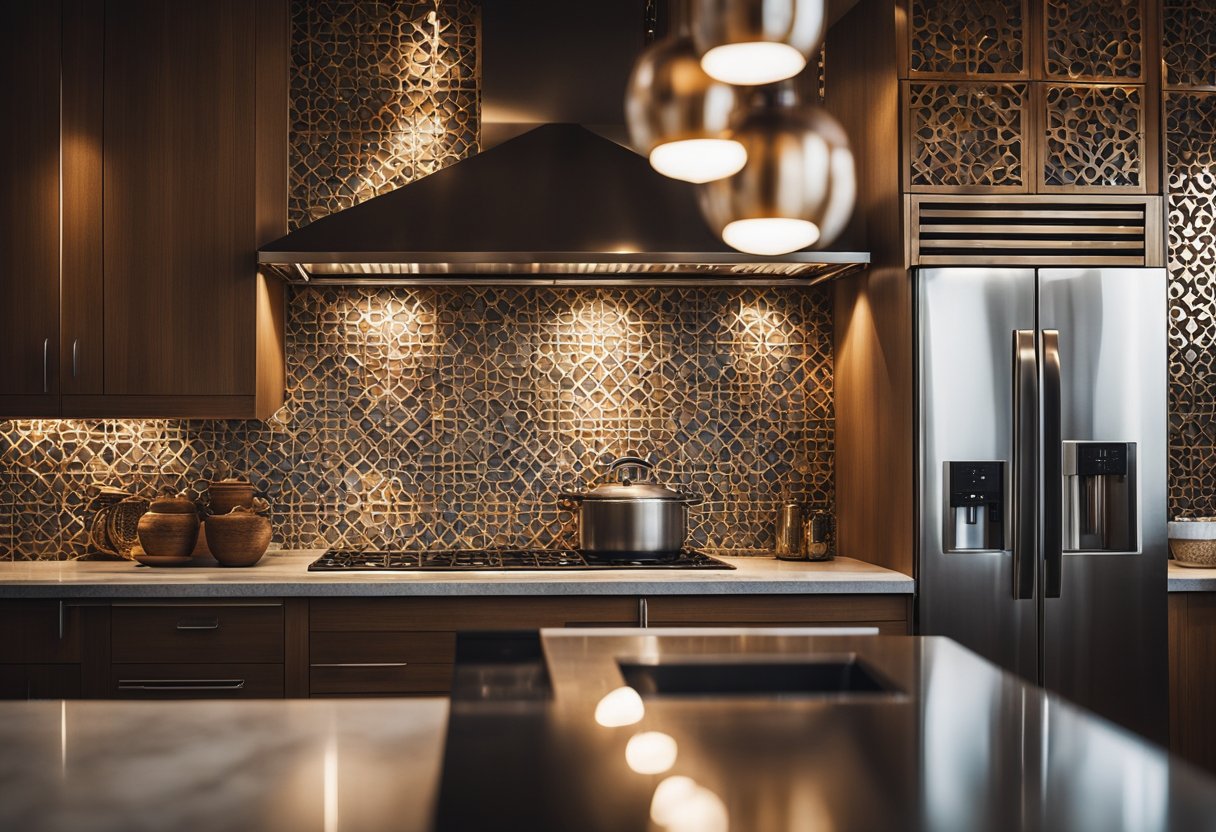
How can I infuse a modern twist into traditional Turkish kitchen design?
If you want to add a modern twist to traditional Turkish kitchen design, you can start by incorporating contemporary elements such as stainless steel appliances, sleek countertops, and minimalist lighting fixtures. You can also use bold colours such as black, white, and grey to create a modern look. Alternatively, you can add a touch of modernity by using geometric patterns on your tiles, curtains, and accessories.
What are the latest trends in Turkish kitchen aesthetics for this year?
The latest trends in Turkish kitchen aesthetics for this year include the use of natural materials such as wood, stone, and marble. Turkish kitchens are also embracing the use of brass and copper accents to add a touch of elegance. Another trend is the use of open shelving, which allows you to display your beautiful Turkish cookware and accessories.
Could you suggest some Turkish-inspired ideas for a kitchen makeover?
If you want to give your kitchen a Turkish-inspired makeover, you can start by using bold colours such as blue, green, and red. You can also incorporate Turkish tiles, which come in a variety of colours and patterns. Another idea is to use Turkish textiles such as kilim rugs and cushions. You can also add Turkish cookware and accessories such as copper pots, Turkish coffee makers, and Turkish tea sets.
Where can I find the finest Turkish kitchen cabinets and accessories?
There are several places where you can find the finest Turkish kitchen cabinets and accessories. Some of the best places to look include Turkish home decor stores, online marketplaces such as Etsy and Amazon, and Turkish furniture manufacturers. You can also find Turkish-inspired kitchen accessories at your local home decor stores.
What are the key features of a Turkish country-style kitchen?
The key features of a Turkish country-style kitchen include natural materials such as wood and stone, open shelving, and traditional Turkish cookware and accessories. Turkish country-style kitchens also feature warm colours such as yellow, orange, and red. You can also add a touch of elegance by incorporating brass or copper accents.
Who are the leading kitchen cabinet manufacturers in Turkey?
Some of the leading kitchen cabinet manufacturers in Turkey include Arredo, Bimtas, and Istikbal. These manufacturers offer a wide range of kitchen cabinets in various styles and finishes. You can also find Turkish-inspired kitchen cabinets from international manufacturers such as IKEA and Home Depot.