
Are you looking to create a peaceful and relaxing space in your home? A tatami bedroom design may be just what you need. Tatami mats have been used in Japan for centuries and are known for their durability and natural beauty. They are made of rush grass and provide a comfortable and soft surface to walk on.
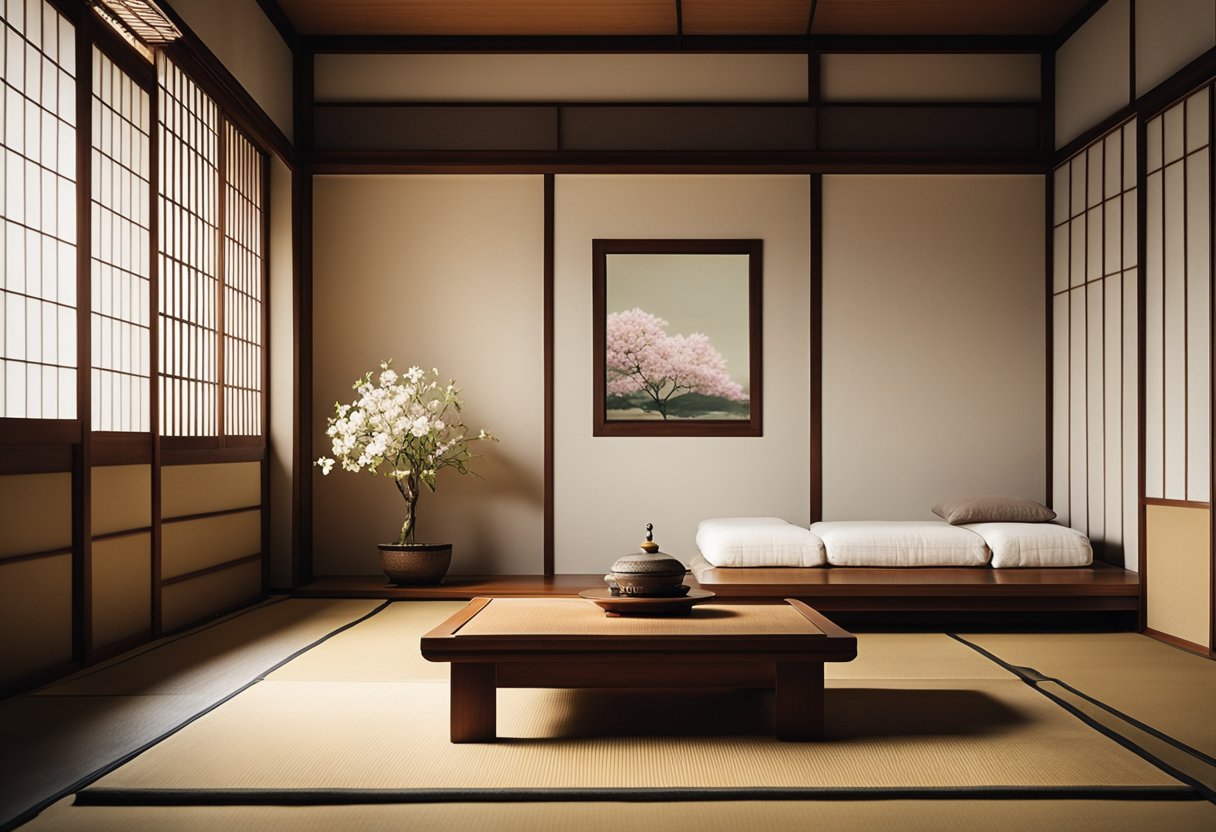
When designing a tatami bedroom, it is important to consider the essentials. Tatami mats come in standard sizes, so you will need to plan your room accordingly. You will also need to decide on the layout of your room, including the placement of furniture and other design elements. Additionally, you will want to choose a colour scheme that complements the natural beauty of the mats and creates a calming atmosphere.
Key Takeaways
- Tatami mats are a durable and natural flooring option for your bedroom.
- When designing a tatami bedroom, consider the essentials such as mat size, layout, and colour scheme.
- Incorporate design elements and furniture that complement the natural beauty of the mats and create a calming atmosphere.
Essentials of Tatami Bedroom Design
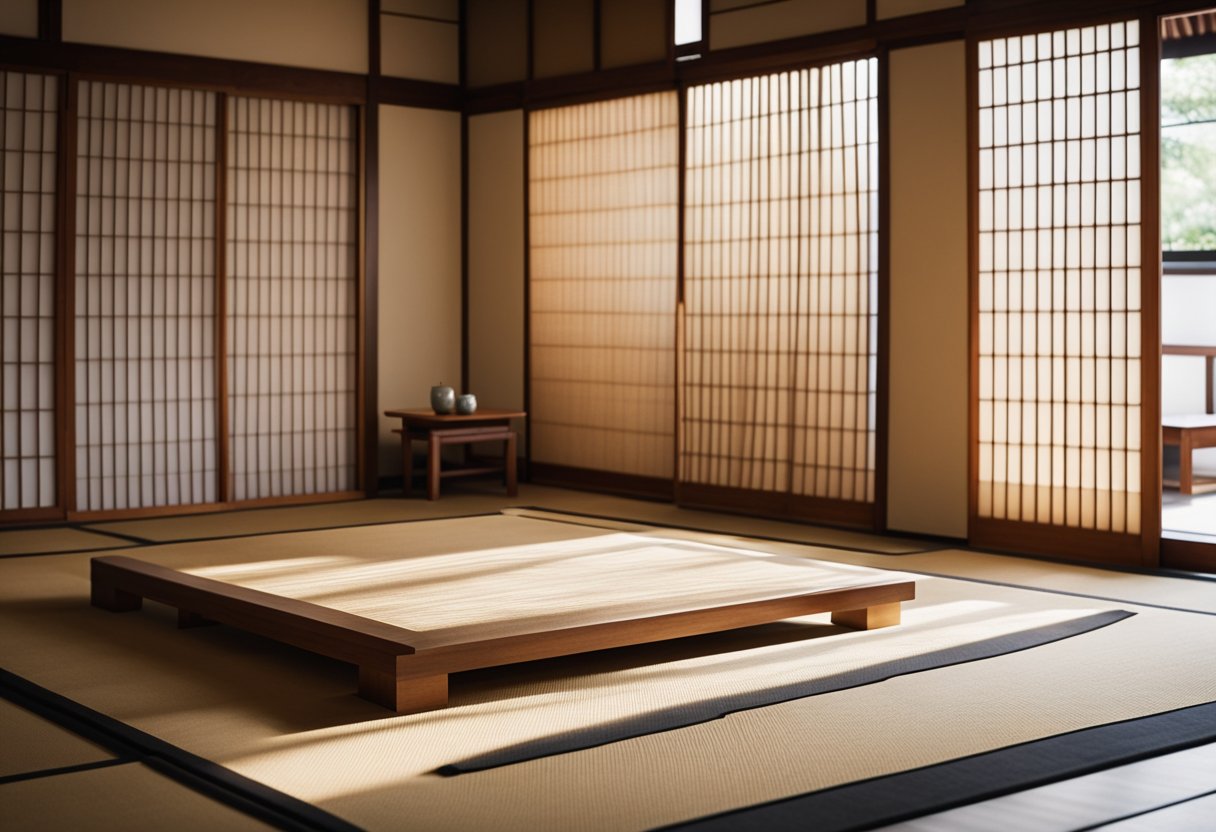
If you’re looking to create a peaceful and calming bedroom, then a tatami bedroom design might be just what you need. Tatami mats are a traditional Japanese flooring made of woven rush grass, and they have been used in Japanese homes for centuries. Here are some essential elements to consider when designing your tatami bedroom.
The Role of Tatami Mats
Tatami mats are the foundation of a traditional Japanese bedroom. They are not only used as flooring but also as a base for low furniture such as a tatami bed. Tatami mats are great for creating a relaxing and calming atmosphere in your bedroom. They are also sustainable and eco-friendly, making them a great choice for those who want to incorporate natural materials into their home.
Incorporating Natural Elements
Incorporating natural elements such as bamboo and wooden frames into your tatami bedroom design can enhance the calming and peaceful atmosphere. You can also add plants to your bedroom to bring the outdoors in and create a connection with nature. Additionally, using a neutral colour palette and natural light sources can help to create a serene and tranquil space.
Maximising Space with Minimalism
Minimalism is a key element of Japanese culture and is often incorporated into Japanese décor. A tatami bedroom design is a great opportunity to embrace minimalism and maximise space. Low furniture such as a tatami bed can help to create the illusion of more space, while also providing a comfortable place to sleep. Additionally, keeping clutter to a minimum and using storage solutions can help to create a tidy and organised space.
Overall, a tatami bedroom design can be a great way to create a peaceful and calming space in your home. By incorporating natural materials, minimalist design, and traditional Japanese bedroom ideas, you can create a space that promotes tranquility and relaxation.
Design Elements and Furniture
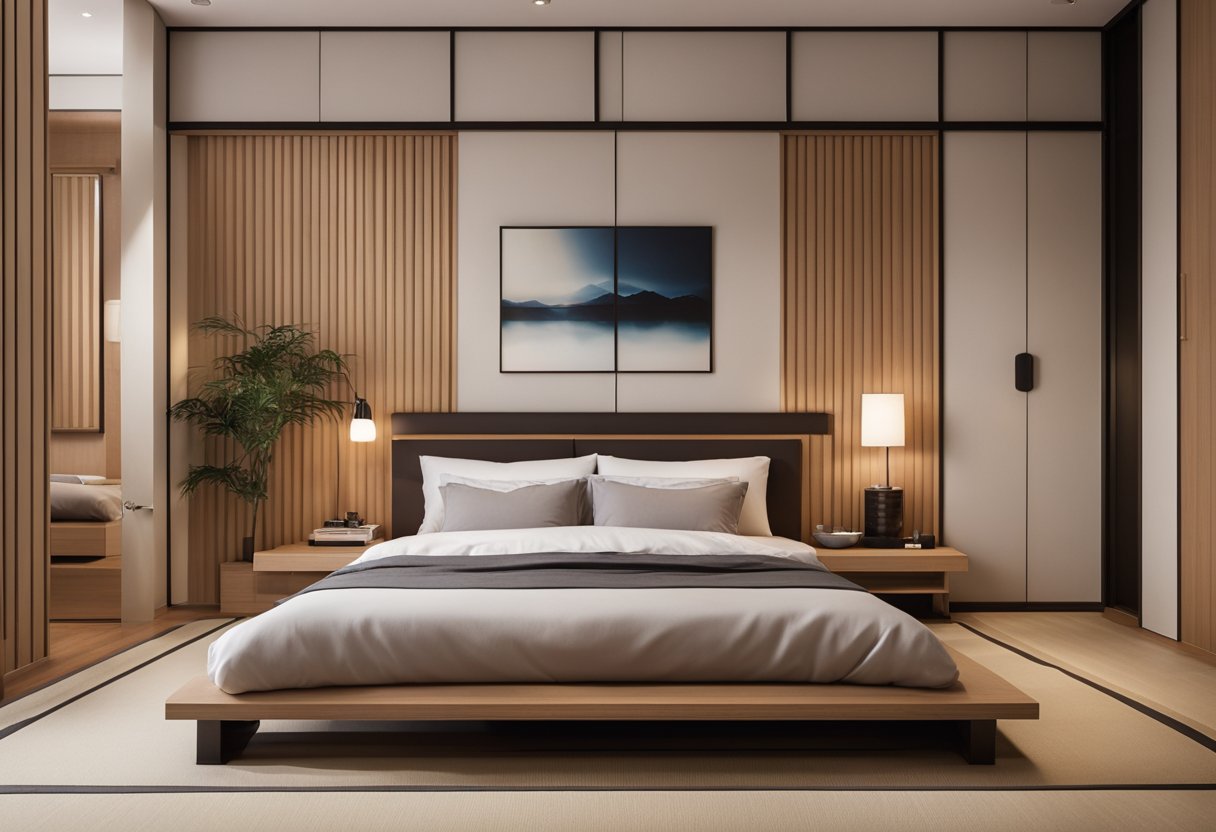
When it comes to designing a tatami bedroom, the furniture and accessories you choose can make all the difference. Here are some key design elements to consider:
Furniture and Accessories
Low tables, such as the chabudai, are a staple of Japanese furniture and can be used for dining, studying, or even as a coffee table. You can pair them with zabuton cushions for added comfort. Another popular choice is the kotatsu, a low table with a built-in heater and a futon blanket, perfect for keeping warm during the colder months.
Traditional Japanese beds are made of rice straw and are called futons. They are placed directly on top of the tatami mat and can be folded and stored away during the day. You can also add a headboard for extra comfort and support.
Shoji screens are sliding doors made of wooden lattices and rice paper, which can be used to separate different areas of the room. Fusuma are similar to shoji screens but are made of heavier materials and can be used as partitions or even as a canvas for hanging paintings or calligraphy.
Creating Ambiance with Lighting and Decor
Lighting and decor can also play a big role in creating the perfect ambiance for your tatami bedroom. Japanese-style lamps and lanterns can provide warm, soft lighting, while hanging scrolls and flower arrangements can add a touch of elegance to the room.
You can also add seasonal elements to your decor, such as cherry blossom wallpaper or bonsai trees, to reflect the time of year. Wooden coffered ceilings, woven straw mats, and glass vases can also add to the overall aesthetic.
The tokonoma is a small alcove in the room that is often decorated with a hanging scroll or flower arrangement. It is a traditional element of Japanese design and can be used to display art or other decorative items.
Overall, when designing your tatami bedroom, it’s important to keep in mind the traditional elements of Japanese design, such as simplicity and minimalism, while also adding your own personal touches to create a space that feels uniquely yours.
Frequently Asked Questions
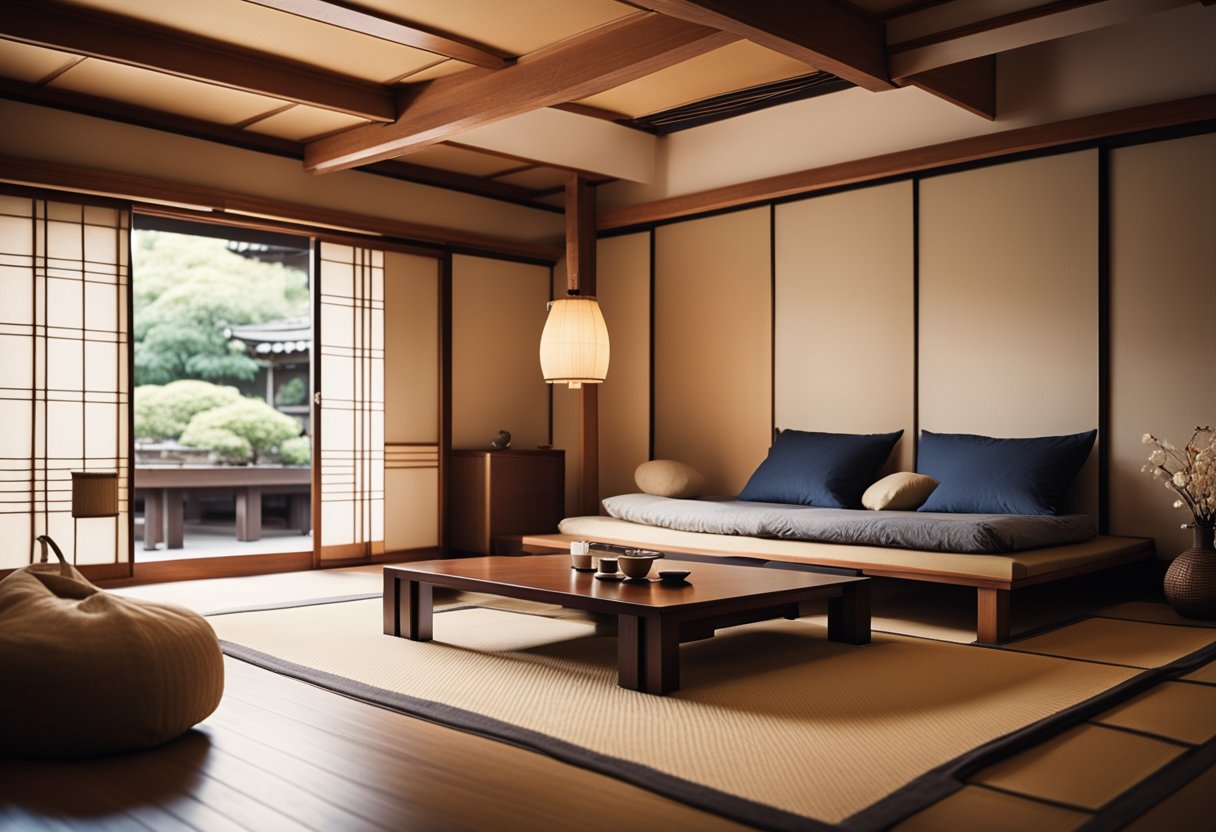
How can one infuse modern elements into a tatami bedroom design?
If you want to infuse modern elements into your tatami bedroom design, you can add contemporary lighting fixtures or modern art pieces. You can also incorporate modern furniture pieces, such as a sleek wooden dresser or a minimalist desk.
What are the essential items for furnishing a tatami-style bedroom?
The essential items for furnishing a tatami-style bedroom include a low platform bed, shoji screens for windows, tatami flooring, and minimal furniture. You can also add a zabuton cushion for seating or a kotatsu table for warmth during colder months.
How does one care for and maintain tatami mats in a bedroom?
To care for and maintain tatami mats in a bedroom, you should avoid wearing shoes on the mats and keep them dry. You can clean the mats with a damp cloth and mild detergent, but avoid using harsh chemicals or excessive water. You should also rotate the mats regularly to prevent wear and tear.
What are the benefits of choosing a tatami bed for your sleeping quarters?
Choosing a tatami bed for your sleeping quarters can provide numerous benefits, including better sleep quality, improved posture, and reduced back pain. Tatami mats are also hypoallergenic and provide natural ventilation, which can help regulate temperature and humidity levels in the bedroom.
How can a tatami living room design enhance the overall aesthetic of a home?
A tatami living room design can enhance the overall aesthetic of a home by creating a calming and inviting atmosphere. Tatami mats offer a natural and organic feel to a room, which can be complemented with other Japanese-inspired decor, such as bonsai trees or shoji screens.
What design principles should be considered when creating a Japanese-style bedroom?
When creating a Japanese-style bedroom, it is important to consider the principles of simplicity, harmony, and nature. This can be achieved through the use of natural materials, such as wood and bamboo, minimal furniture, and a neutral colour palette. The focus should be on creating a peaceful and relaxing atmosphere conducive to rest and rejuvenation.