
Are you looking to create a productive and efficient work environment? One of the most important factors in achieving this goal is having the right office design. The layout of your office can have a significant impact on your work culture and the productivity of your team. With so many different types of office designs to choose from, it can be overwhelming to determine which one is best suited for your business needs.
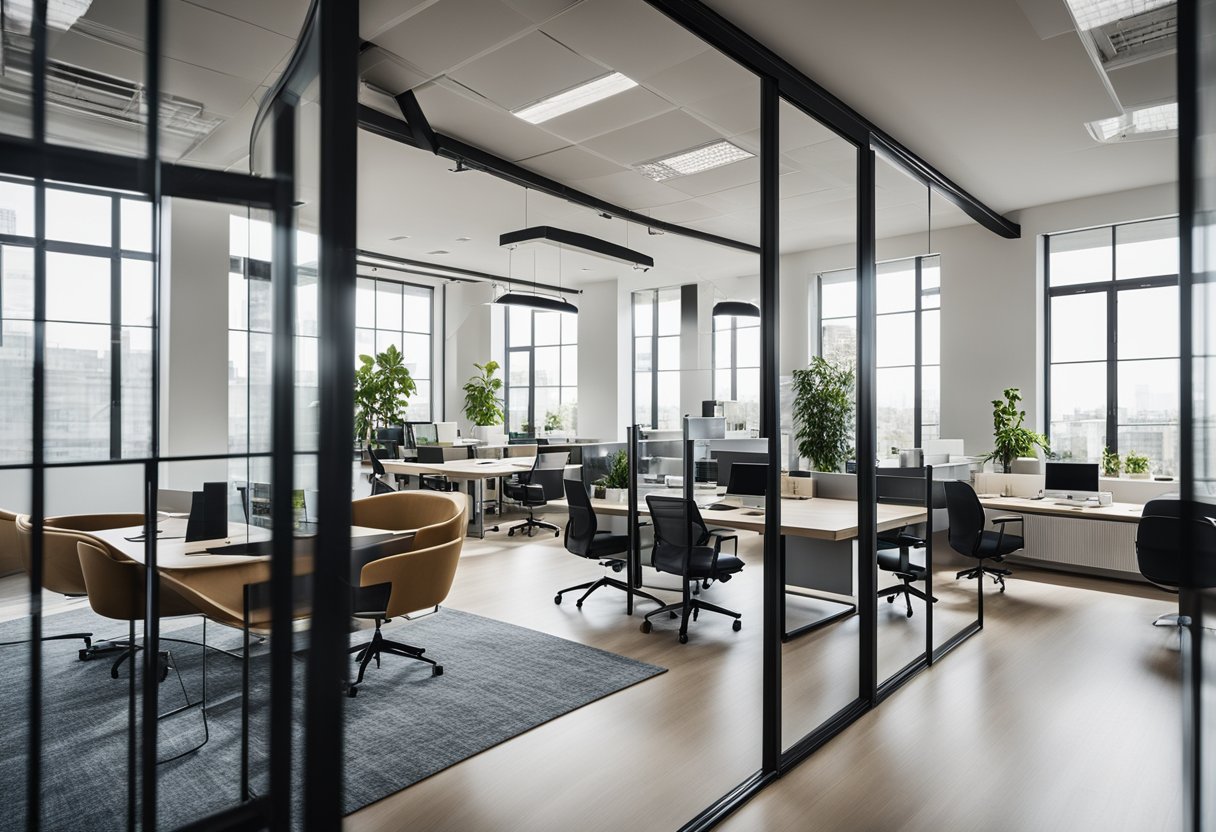
Exploring office layouts and their impact on work is essential to understanding how to create a productive and efficient workspace. Traditional office layouts with cubicles and closed-door offices are becoming less popular as companies look to promote collaboration and communication among team members. Open-plan designs are becoming more common, as they provide a more flexible and adaptable workspace. Activity-based office designs are also gaining popularity, as they allow employees to work in different areas depending on the task at hand.
In the future, office design is expected to become even more important. Companies are looking for ways to attract and retain top talent, and a well-designed workspace can be a significant factor in achieving this goal. As technology continues to evolve, office designs will also need to adapt to accommodate new tools and devices. By staying up-to-date on the latest trends in office design, you can ensure that your workspace is both functional and aesthetically pleasing.
Key Takeaways
- Your office design can have a significant impact on your work culture and the productivity of your team.
- Open-plan and activity-based office designs are becoming more popular, as they promote collaboration and flexibility.
- Office design is expected to become even more important in the future, as companies look to attract and retain top talent.
Exploring Office Layouts and Their Impact on Work
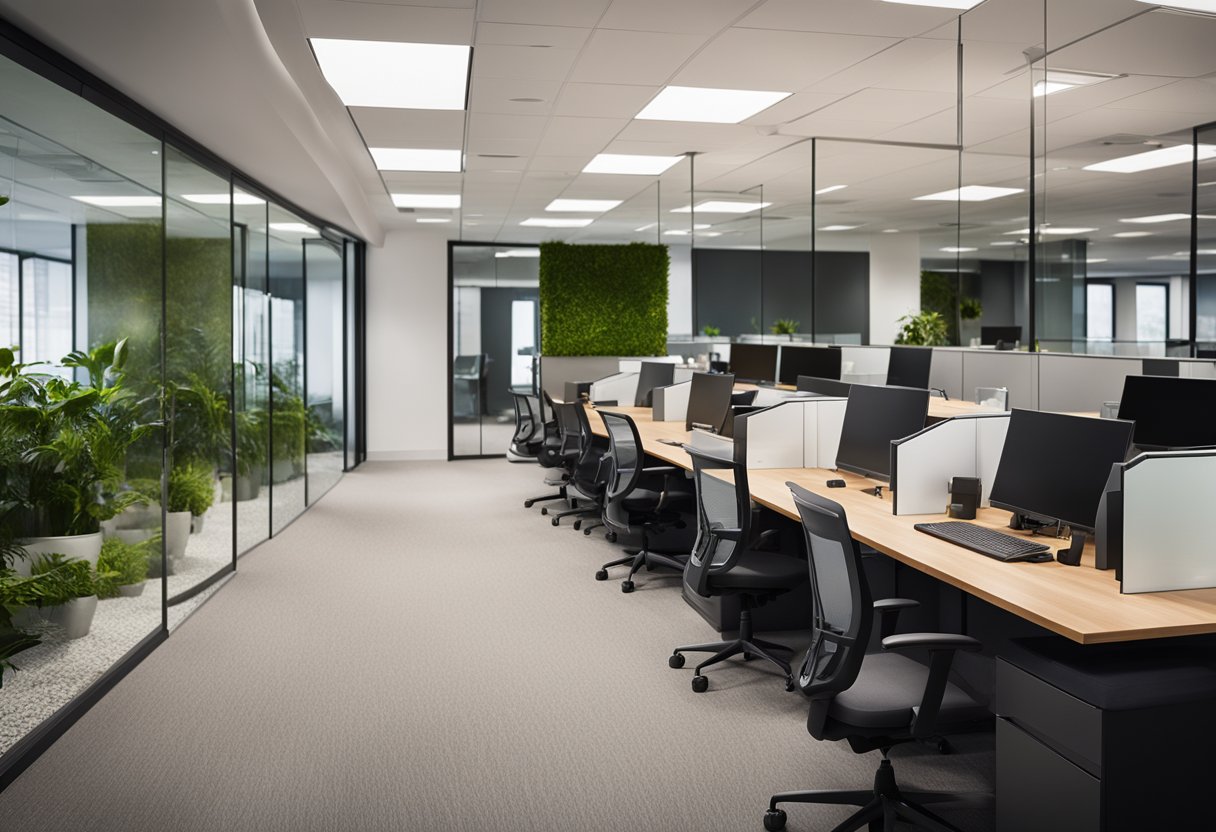
Designing an office space that is conducive to productivity, creativity, and employee satisfaction is a crucial aspect of any business. Office layouts play a significant role in achieving these goals. In this section, we will explore various office layouts and their impact on work.
The Evolution from Traditional to Modern Office Designs
The traditional office design consisted of private offices and cubicles, which provided privacy but limited collaboration. Modern office designs, on the other hand, prioritize open-plan office layouts that encourage collaboration, communication, and teamwork. This shift is due to the recognition that collaboration is essential to innovation and productivity.
The Dynamics of Privacy and Collaboration
While open-plan office layouts encourage collaboration, they also have their drawbacks. Noise and distractions can negatively impact concentration and productivity. Therefore, it is essential to balance privacy and collaboration. Incorporating private offices, conference rooms, and pods can provide employees with the necessary privacy to focus on their tasks.
Incorporating Natural Elements for Enhanced Well-being
Biophilic design, which incorporates natural elements such as plants and natural light, has gained popularity in recent years due to its positive impact on employee well-being. Natural elements can reduce stress, increase productivity, and improve employee satisfaction.
Adapting to New Norms with Hybrid and Home Offices
The COVID-19 pandemic has forced companies to adapt to new norms, such as hybrid and home offices. Hybrid offices combine in-person and remote work, while home offices allow employees to work from home. These office layouts require new design considerations, such as ergonomic chairs and flexible workspaces.
Design Considerations for Small and Co-working Spaces
Small offices and co-working spaces require unique design considerations to maximize efficiency and workflow. Hot desking, which involves sharing workstations, can optimize floor space. Additionally, incorporating flexible workspaces and temporary offices can accommodate changing needs.
Maximising Efficiency with Office Layouts
Office layouts can significantly impact efficiency and workflow. For example, an open floor plan can improve communication and collaboration, while a closed floor plan can provide more privacy and control. Understanding the needs of your employees and business can help determine the optimal office layout.
Fostering Creativity and Morale through Design
Office design can also impact creativity and morale. Incorporating colours, textures, and industrial design elements such as exposed brick, wood, and concrete can create an atmosphere that reflects your work culture and fosters creativity and morale.
The Role of Equipment and Accessories in Office Spaces
Ergonomic chairs and adjustable desks can improve employee comfort and productivity. Additionally, incorporating accessories such as plants, artwork, and supplies can enhance the atmosphere and employee satisfaction.
Optimising Space with Flexible Workspaces
Flexible workspaces, such as hot desking and shared spaces, can optimize floor space and accommodate changing needs. These workspaces can also encourage collaboration and communication.
Creating an Environment that Reflects Work Culture
Office design should reflect your work culture and values. Incorporating elements such as artwork, colours, and furniture can create an atmosphere that aligns with your business goals.
Ensuring Accessibility and Control in Office Design
Private spaces and managers’ offices can provide employees with the necessary privacy and control. Additionally, incorporating accessible design elements such as ramps and elevators can ensure that all employees can access the office space.
Leveraging Natural Lighting for Health and Focus
Natural lighting has been shown to improve concentration, reduce stress, and increase productivity. Incorporating large windows and skylights can maximize natural lighting and improve employee well-being.
The Influence of Office Design on Communication and Networking
Office design can significantly impact communication and networking. Open-plan office layouts can encourage communication and collaboration, while private offices can limit communication. Understanding your business needs can help determine the optimal office layout.
The Significance of Office Facilities in Employee Experience
Office facilities, such as break rooms and restrooms, can significantly impact employee satisfaction and experience. Incorporating comfortable and functional facilities can improve employee morale and productivity.
In conclusion, office layouts play a crucial role in achieving productivity, creativity, and employee satisfaction. Understanding your business needs and employees can help determine the optimal office layout. Incorporating natural elements, flexible workspaces, and accessible design elements can improve employee well-being and satisfaction.
The Future of Office Design
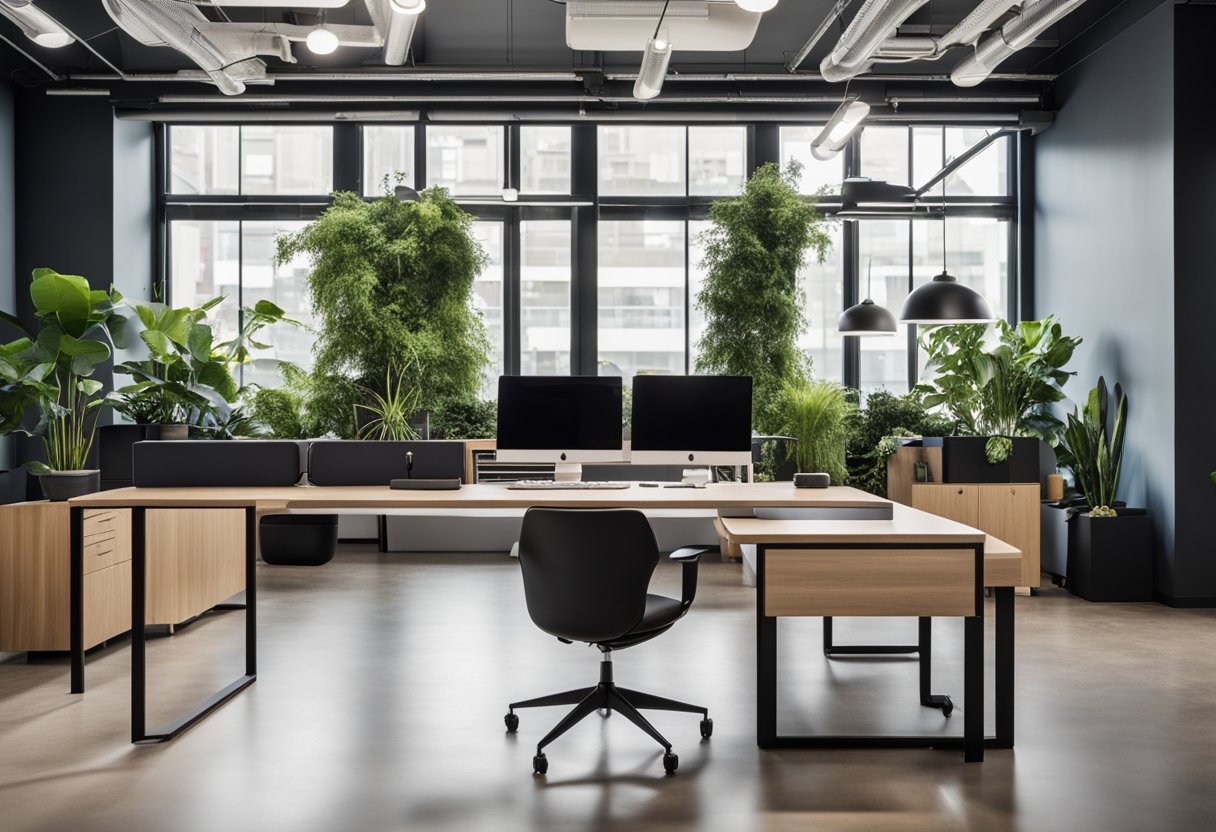
The modern office is rapidly evolving and adapting to keep up with the changing needs of the workforce. Embracing technological advances, sustainable practices, personalisation, and anticipating changes post-Covid-19 are some of the key trends shaping the future of office design.
Embracing Technological Advances in Office Spaces
The integration of technology in office spaces has become increasingly important in recent years. From virtual offices to flexible workspaces, technology has enabled employees to work from anywhere, anytime. The use of smart equipment and devices has also made it easier to automate tasks, reduce errors, and increase productivity.
Sustainable Practices in Office Design and Layout
Sustainability is no longer a buzzword, but a necessity in modern office design. Biophilic design, which incorporates natural elements into the workspace, has gained popularity due to its positive impact on employee well-being and productivity. Sustainable practices such as using energy-efficient lighting, reducing waste, and promoting eco-friendly transportation are also becoming more prevalent.
The Shift Towards Personalisation in Workspace Design
Personalisation is the key to creating a workspace that inspires productivity, focus, and creativity. Modern office design is shifting towards creating spaces that cater to individual needs and preferences. From adjustable desks to customisable lighting, personalisation is becoming a crucial aspect of workspace design.
Anticipating Changes in Office Design Post-Covid-19
The Covid-19 pandemic has accelerated the shift towards hybrid offices and flexible workspaces. Offices are now designed to accommodate both in-person and remote work, with a focus on creating a safe and healthy environment. The use of technology such as video conferencing and collaboration software has also become essential in modern office design.
Overall, the future of office design is exciting and full of innovation. By embracing technology, sustainability, personalisation, and anticipating changes post-Covid-19, modern office spaces can be designed to promote productivity, creativity, and employee well-being.
Frequently Asked Questions
What are the hallmarks of an innovative office design?
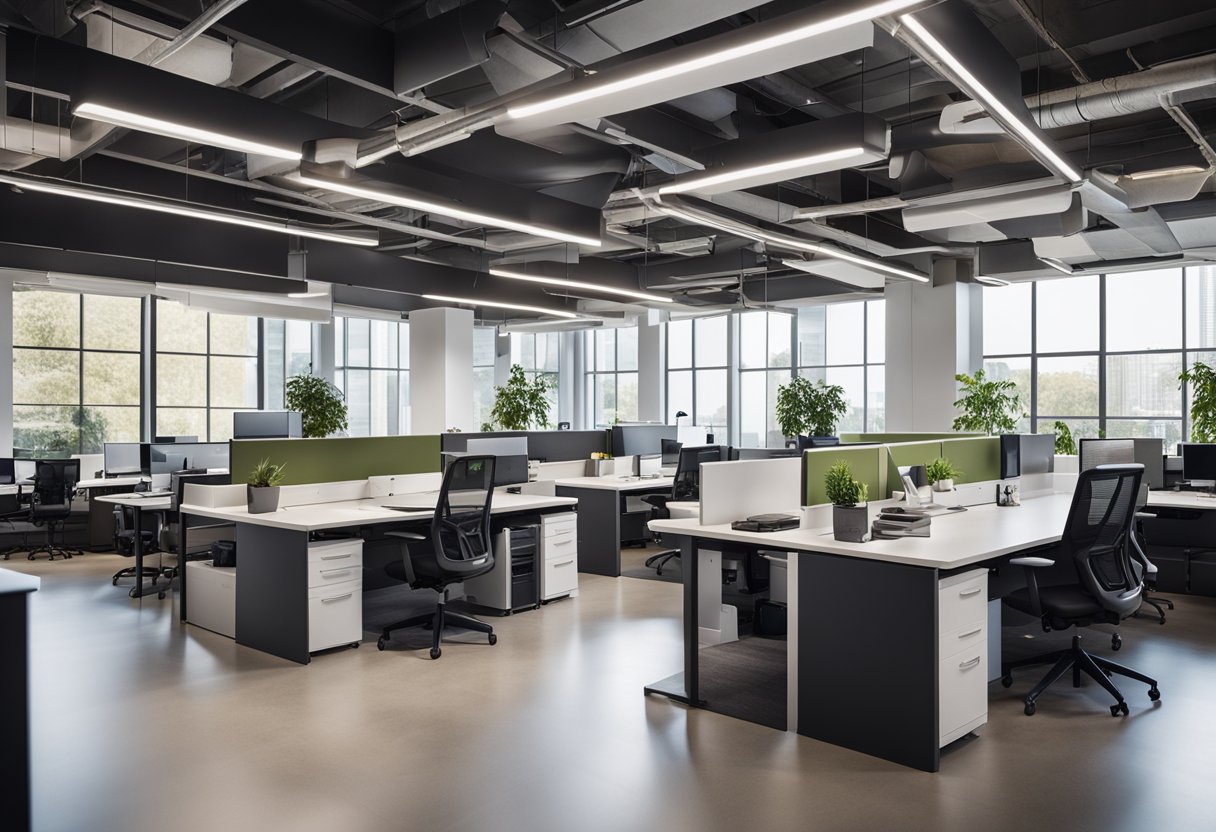
An innovative office design is one that promotes creativity, collaboration, and productivity. It should incorporate elements such as flexible workspaces, natural lighting, and ergonomic furniture. An innovative office design should also reflect the company’s brand and values, creating a unique and inspiring environment for employees.
How can office design enhance productivity and collaboration?
Office design can enhance productivity and collaboration by creating a space that is conducive to teamwork and communication. An open-plan layout, for example, can encourage collaboration and idea-sharing, while breakout areas and quiet zones can provide employees with the space they need to focus on individual tasks. The use of technology, such as video conferencing and collaboration tools, can also help to facilitate communication and collaboration.
What are the latest trends in creating an effective workspace?
The latest trends in creating an effective workspace include the use of biophilic design, which incorporates natural elements such as plants and water features, and the use of flexible workspaces, which allow employees to work in a way that suits their needs. Other trends include the use of sustainable materials, the incorporation of wellness features such as standing desks and meditation rooms, and the use of technology to enhance productivity and communication.
How does office design impact employee well-being and satisfaction?
Office design can have a significant impact on employee well-being and satisfaction. A well-designed office can reduce stress, improve mood, and increase productivity. Elements such as natural lighting, comfortable seating, and good air quality can all contribute to a healthier and happier workforce. Additionally, an office design that reflects the company’s values and culture can help to foster a sense of belonging and pride among employees.
What are the key considerations when choosing an office layout?
When choosing an office layout, key considerations include the size of the space, the number of employees, and the type of work being done. A traditional layout, for example, may be best suited to a more formal business, while an open-plan layout may be more appropriate for a creative or collaborative environment. Privacy requirements, noise levels, and the need for breakout areas should also be taken into account.
How can small businesses maximise space with smart office design?
Small businesses can maximise space with smart office design by using multifunctional furniture, such as desks that can be used for both individual and collaborative work, and by incorporating storage solutions that are both functional and aesthetically pleasing. The use of colour and lighting can also help to create the illusion of space, while the use of flexible workspaces can help small businesses to adapt to changing needs and growth.