
If you’re looking to improve the ventilation in your bathroom, a toilet exhaust fan can be a great solution. Not only does it help to remove unpleasant odours, but it can also help to reduce the moisture levels in the air, which can lead to issues like mould growth and water damage. However, choosing the right toilet exhaust fan can be a challenge, as there are many different designs and options available.
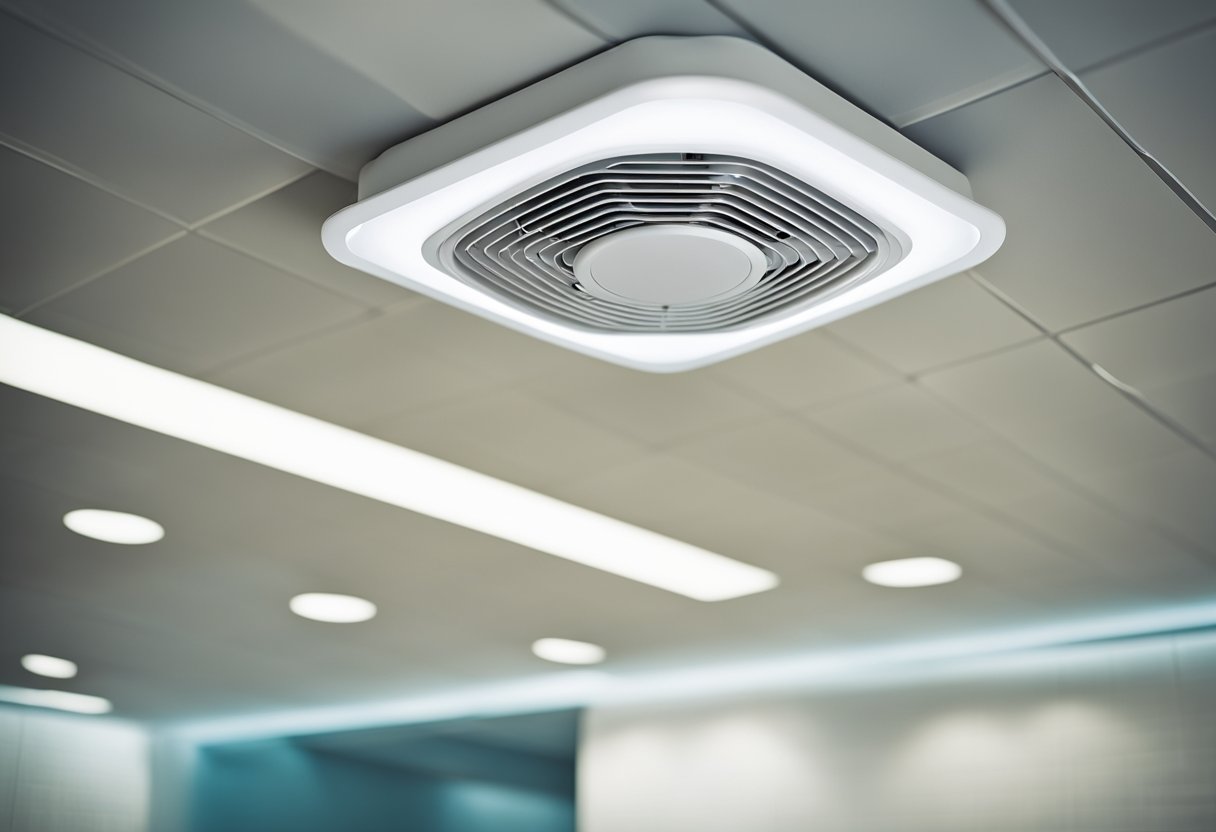
When it comes to toilet exhaust fan design, there are a few key considerations to keep in mind. For example, you’ll need to think about the size of your bathroom, as well as the amount of ventilation that’s required to keep the air fresh and dry. You’ll also want to consider the noise level of the fan, as well as its energy efficiency and ease of installation. With so many different options to choose from, it’s important to do your research and choose a fan that meets your specific needs and preferences.
Overall, a toilet exhaust fan can be a great investment for any bathroom. By improving the ventilation and air quality in your space, you can create a more comfortable and healthy environment for yourself and your family. With the right design and installation, a toilet exhaust fan can provide years of reliable and effective performance, helping you to enjoy your bathroom to the fullest.
Key Takeaways
- Choosing the right toilet exhaust fan requires careful consideration of factors like bathroom size, ventilation needs, noise level, energy efficiency, and ease of installation.
- A toilet exhaust fan can help to improve indoor air quality, reduce moisture levels, and prevent issues like mould growth and water damage.
- With the right design and installation, a toilet exhaust fan can provide reliable and effective performance for years to come.
Design Considerations for Toilet Exhaust Fans
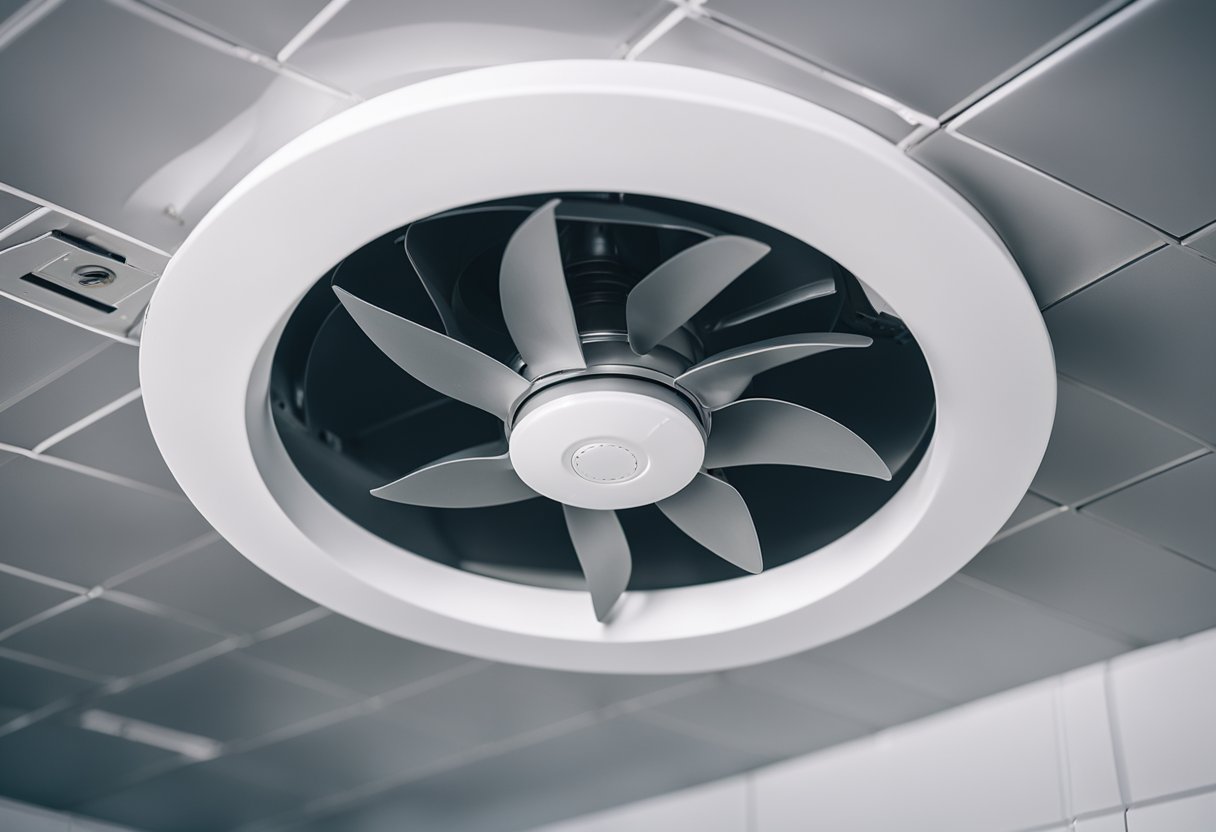
When designing a toilet exhaust fan system, there are several important factors to consider to ensure optimal performance. In this section, we will explore the key design considerations for toilet exhaust fans.
Assessing Ventilation Needs
Before selecting a toilet exhaust fan, it is important to assess your ventilation needs. The ventilation rate required for your bathroom will depend on the square footage of the room and the number of air changes per hour (ACH) required to maintain acceptable air quality. The ACH required will vary depending on factors such as the number of occupants, the type of activities taking place in the bathroom, and the level of humidity in the room.
Selecting the Appropriate Fan Size
Once you have assessed your ventilation needs, you can select the appropriate fan size. The fan size is measured in cubic feet per minute (CFM) and will depend on the square footage of the room and the ACH required. It is important to select a fan with sufficient CFM to ensure adequate ventilation.
Incorporating Noise Control
Noise control is an important consideration when selecting a toilet exhaust fan. It is important to select a fan with a noise level that is appropriate for the room and occupants. The noise level is measured in sones, with lower sones indicating a quieter fan. Additionally, ducting can be used to reduce noise transmission.
When selecting a toilet exhaust fan, it is important to consider regulations and guidelines that may apply in your area. These may include regulations regarding minimum ventilation rates, maximum noise levels, and static pressure.
Ceiling height is another important consideration when designing a toilet exhaust fan system. It is important to ensure that the fan is mounted at an appropriate height to ensure optimal performance.
In summary, when designing a toilet exhaust fan system, it is important to assess your ventilation needs, select the appropriate fan size, and incorporate noise control measures. Additionally, it is important to consider regulations, ceiling height, and other factors that may impact the performance of the system.
Installation and Maintenance
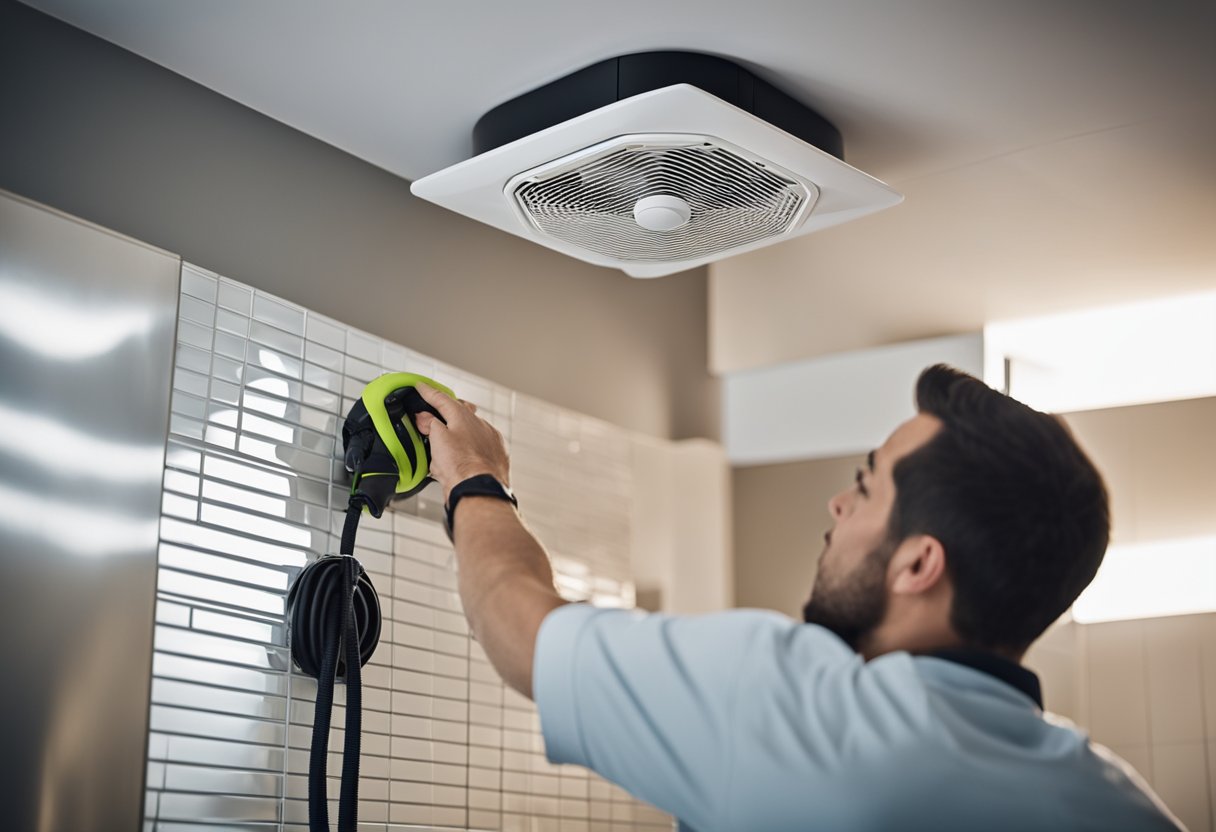
Installing a toilet exhaust fan is a great way to improve the air quality in your bathroom and prevent the growth of mould and mildew. However, it’s important to ensure that the installation is done correctly to avoid any safety hazards or leaks. Here are some things to keep in mind when installing and maintaining your toilet exhaust fan.
Proper Ductwork and Venting
When installing your exhaust fan, it’s important to ensure that the ductwork is properly sized and vented to the outside of your home. This will ensure that fresh air is brought in and humidity is removed from the bathroom. Improper ductwork and venting can lead to poor air quality and even cause damage to your home.
Electrical Safety and Wiring
If you’re not experienced with electrical work, it’s best to hire a licensed electrician to install your exhaust fan. This will ensure that the wiring is done safely and up to code. It’s also important to ensure that the wiring is properly grounded to avoid any electrical hazards.
Routine Cleaning and Upkeep
To keep your exhaust fan working properly, it’s important to perform routine cleaning and upkeep. This includes cleaning the fan blades and housing, as well as checking for any leaks or damage to the ductwork. Regular cleaning and maintenance will help prevent the growth of mould and mildew and ensure that your fan is working efficiently.
In summary, proper installation and maintenance of your toilet exhaust fan is crucial to ensure that your bathroom has good air quality and to prevent the growth of mould and mildew. Make sure to hire a licensed electrician for the installation, ensure proper ductwork and venting, and perform routine cleaning and upkeep. By following these tips, you can enjoy a clean and healthy bathroom environment.
Frequently Asked Questions

What’s the latest in modern toilet ventilation fan designs?
Toilet ventilation fans have evolved over the years, with modern designs offering more energy-efficient and quieter operation. Some of the latest features include humidity sensors, motion sensors, and timer controls. These features help to maintain optimal air quality and reduce energy consumption.
How do you determine the best toilet ventilation fan for your bathroom?
The best toilet ventilation fan for your bathroom depends on various factors, such as the size of your bathroom, the type of fan, and the noise level. A ceiling-mounted fan is ideal for larger bathrooms, while a window-mounted fan is suitable for smaller bathrooms. You should also consider the noise level of the fan since some fans can be quite loud.
Can you walk me through the installation process for a toilet ventilation fan?
Installing a toilet ventilation fan is a simple process that involves cutting a hole in the ceiling or wall and connecting the fan to the electrical supply. However, it’s important to ensure that the fan is installed correctly to prevent any electrical hazards or damage to your bathroom. You can hire a qualified electrician to install the fan for you.
Is it compulsory to install an exhaust fan in the loo, and what are the regulations?
It is not compulsory to install an exhaust fan in the loo, but it is highly recommended. According to the Building and Construction Authority (BCA), all habitable rooms, including bathrooms, should have adequate ventilation to prevent the buildup of moisture and odours. The BCA recommends installing supply or exhaust fans to introduce outdoor air into the enclosed spaces.
How do toilet exhaust fans operate to keep our bathrooms fresh and mould-free?
Toilet exhaust fans operate by drawing out the stale and moist air from the bathroom and replacing it with fresh air from outside. This helps to prevent the buildup of moisture, which can lead to mould and mildew growth. Some fans also come with filters that trap dust and other particles, improving the air quality in your bathroom.
What are the top features to look for when choosing a ventilation fan for your water closet?
When choosing a ventilation fan for your water closet, some of the top features to look for include noise level, energy efficiency, and ease of installation. You should also consider the size of your bathroom and the type of fan that would be most suitable. Other features to look for include humidity and motion sensors, timer controls, and filter options.