
If you’re looking to create a living room that’s both stylish and nostalgic, then retro living room design might be just what you need. Retro design is all about taking inspiration from the past and bringing it into the present with a modern twist. And with so many different retro styles to choose from, you’re sure to find one that suits your taste and personality.
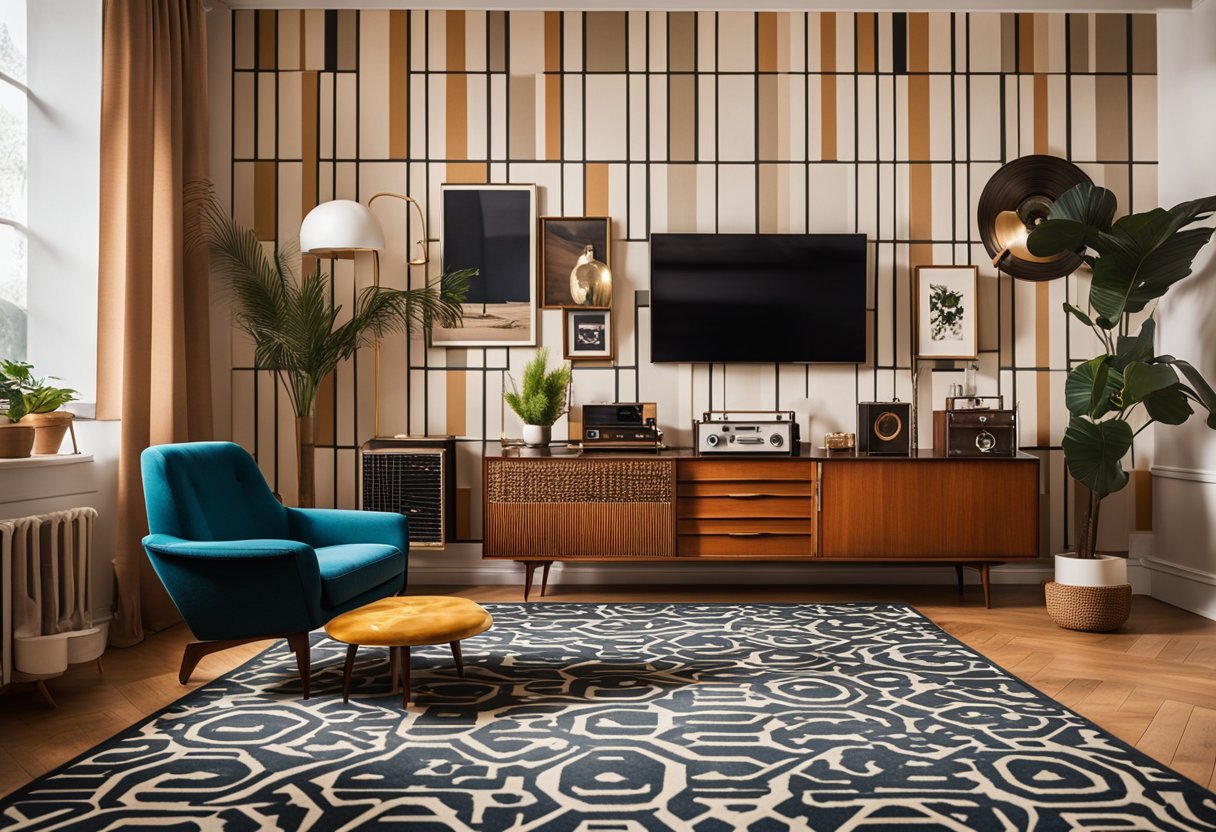
One of the essentials of retro living room design is to create a space that’s inviting and encourages conversation. Retro furniture is often bold and colourful, with clean lines and simple shapes. You can mix and match different retro styles to create a unique look that’s all your own. And don’t be afraid to experiment with different textures and materials, such as velvet, leather, and wood.
When it comes to colour and pattern in retro style, the key is to embrace bold and vibrant hues. Think burnt orange, mustard yellow, and avocado green. You can also incorporate playful patterns, such as polka dots, stripes, and geometric shapes. And don’t forget to add some retro accessories, such as lava lamps, record players, and vintage posters, to really bring the space to life.
Key Takeaways
- Retro living room design is all about taking inspiration from the past and bringing it into the present with a modern twist.
- One of the essentials of retro living room design is to create a space that’s inviting and encourages conversation.
- When it comes to colour and pattern in retro style, the key is to embrace bold and vibrant hues and playful patterns.
Essentials of Retro Living Room Design
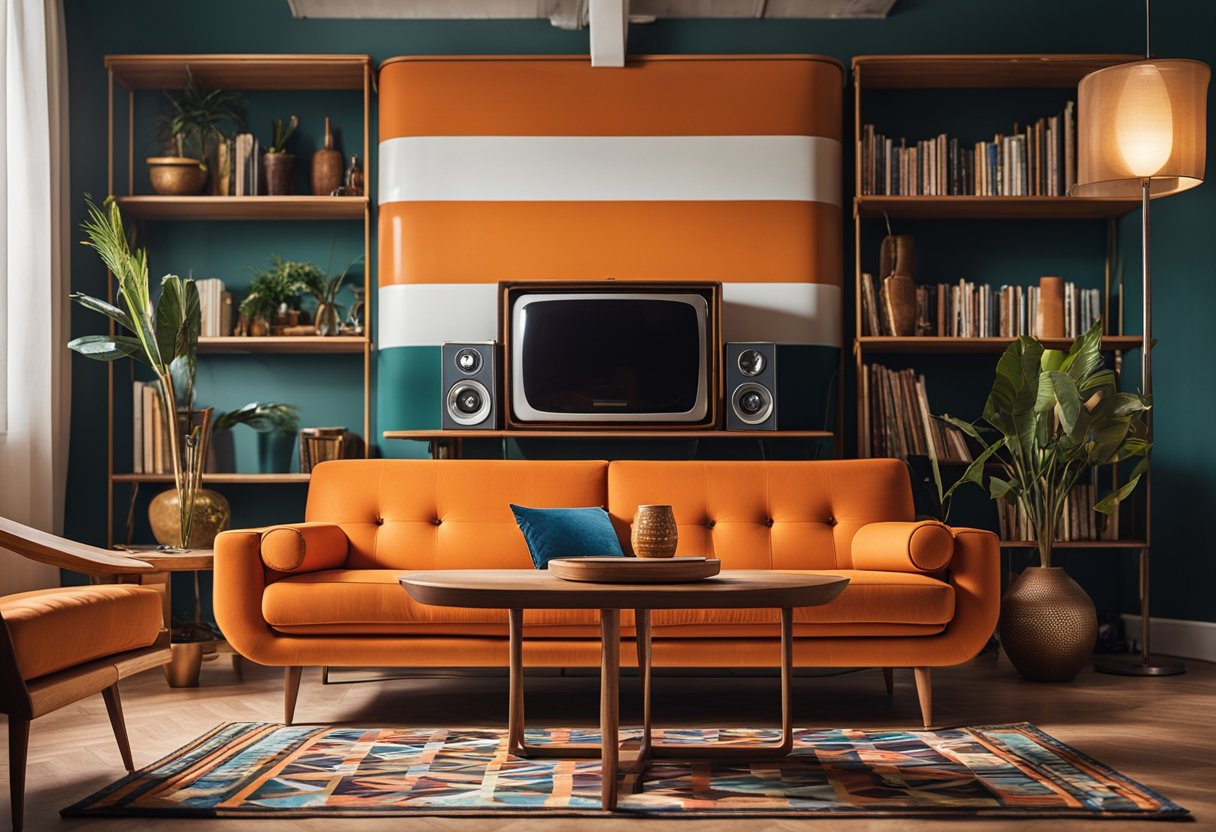
If you’re looking to create a retro living room, there are a few key elements you need to keep in mind. From defining the retro aesthetic to incorporating vintage decor, here are some essential tips to help you achieve the perfect mid-century modern look.
Defining the Retro Aesthetic
Retro living room design is all about capturing the look and feel of the 1950s and 60s. This era was characterised by bold colours, geometric patterns, and a focus on clean lines and simple shapes. To achieve the retro aesthetic, you should aim for a cohesive look that incorporates these elements throughout your living room.
Key Furniture Pieces
When it comes to retro living room design, there are a few key furniture pieces that you shouldn’t overlook. A mid-century modern sofa is a must-have, with its clean lines and sleek silhouette. You can also incorporate leather armchairs, a vintage coffee table, and a statement rug to tie the room together.
Incorporating Vintage Decor
To really bring your retro living room to life, it’s important to incorporate vintage decor throughout the space. This could include vintage artwork, retro lamps, and decorative objects like globes or vintage cameras. You can also add pops of colour with bold throw pillows or a brightly coloured accent wall.
Overall, retro living room design is all about creating a space that feels like a blast from the past. By incorporating mid-century modern furniture, vintage decor, and bold colours and patterns, you can achieve a look that is both stylish and nostalgic.
Colour and Pattern in Retro Style
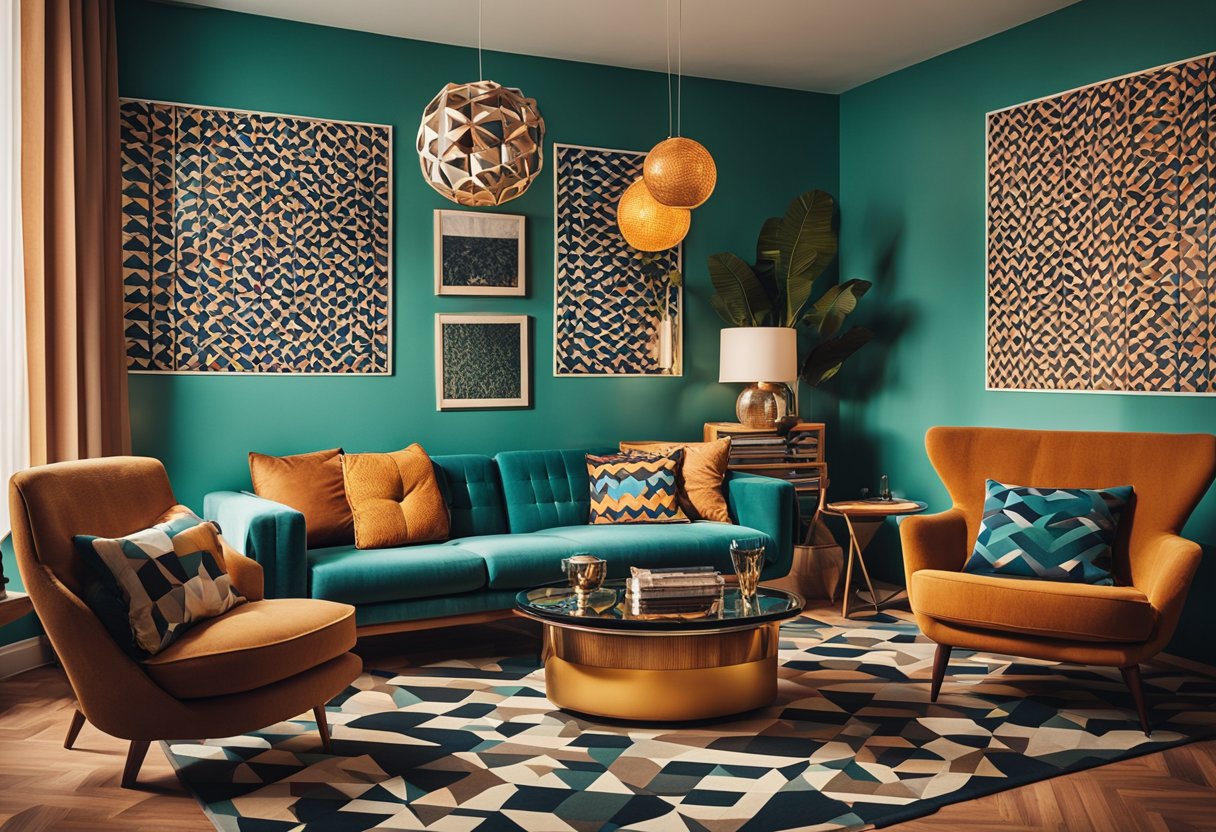
When it comes to retro style, colour and pattern are essential elements that can help you achieve the desired look. Retro living rooms are known for their vibrant hues, geometric patterns, and textures that create a fun and lively atmosphere. In this section, we’ll explore how you can use colour and pattern to create a retro-inspired living room.
Choosing a Colour Palette
One of the most important aspects of retro style is the use of bright colours. Mustard yellow, burnt orange, and avocado green are just a few of the colours that were popular in the 60s and 70s. When choosing a colour palette for your retro living room, consider using bold and vibrant hues that create contrast and add energy to the space.
To create a cohesive look, you can choose a dominant colour and pair it with complementary colours. For example, if you choose mustard yellow as your dominant colour, you can pair it with shades of brown, orange, and green. This will create a harmonious colour scheme that is both retro and modern.
Mixing Patterns and Textures
Retro style is all about mixing patterns and textures to create a playful and eclectic look. To achieve this, you can use a combination of wallpaper, curtains, throw pillows, and blankets in different patterns and textures.
Geometric patterns, such as stripes, circles, and triangles, were popular in the 60s and 70s and can add a retro touch to your living room. You can also use floral patterns, paisley prints, and abstract designs to create a more eclectic look.
When mixing patterns, it’s important to choose patterns that complement each other. You can do this by selecting patterns that share a common colour or by pairing large-scale patterns with smaller-scale patterns. By mixing patterns and textures, you can create a retro-inspired living room that is both stylish and playful.
In summary, colour and pattern are essential elements in retro living room design. By choosing a bold and vibrant colour palette and mixing patterns and textures, you can create a fun and eclectic space that is both retro and modern. joi gigglebox22
Frequently Asked Questions
What are the defining characteristics of a mid-century modern interior?
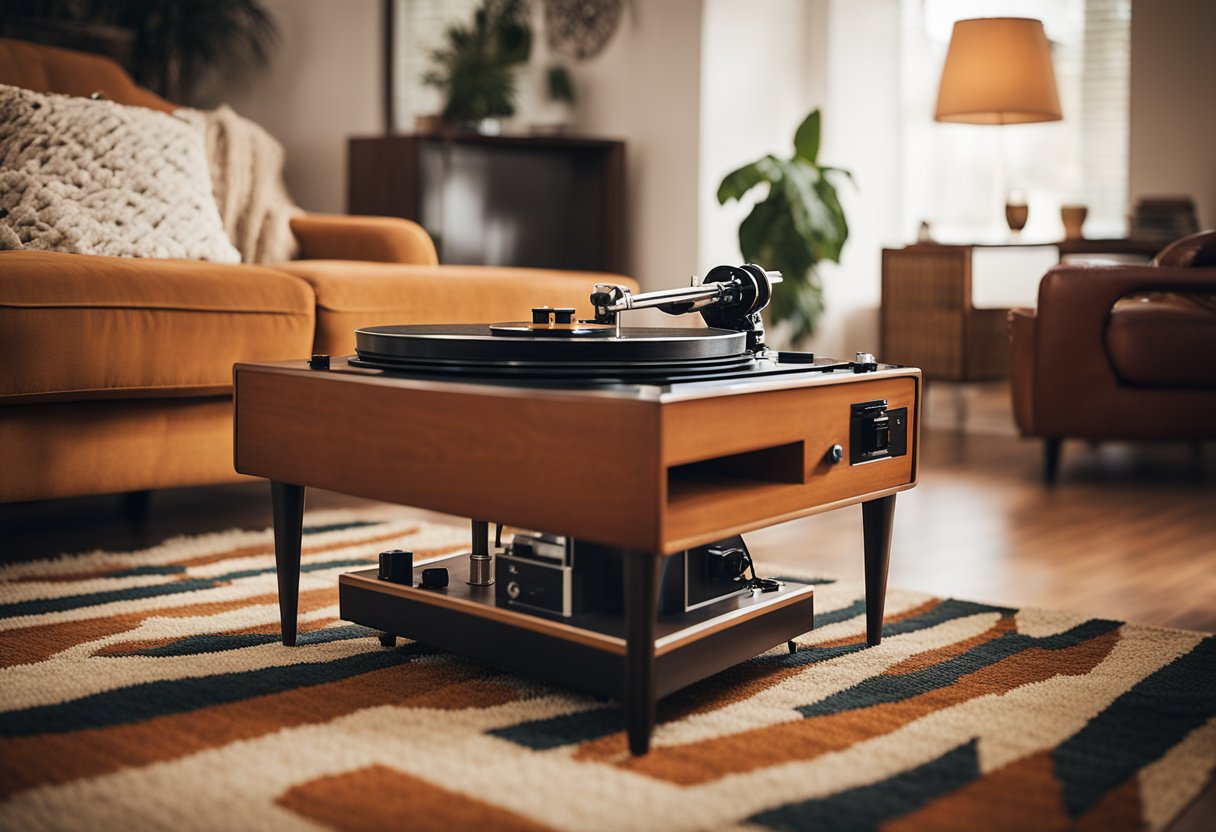
If you’re looking to create a mid-century modern interior, think clean lines, organic shapes, and a mix of materials like wood, metal, and glass. Embrace minimalist furniture with sleek, tapered legs and bold, geometric patterns. Incorporate statement lighting and pops of vibrant colours to capture the essence of this iconic design era.
How can I infuse my living space with a retro vibe using furniture?
To infuse a retro vibe into your living space, consider incorporating iconic furniture pieces from the 1950s and 1960s. Look for items with tapered legs, bold colours, and unique, sculptural shapes. Mix and match different textures and materials to add depth and visual interest to your living room.
Where can I find inspiration for a modern twist on retro living room design?
For a modern twist on retro living room design, draw inspiration from interior design magazines, online platforms, and social media. Explore modern interpretations of retro styles, and consider visiting vintage furniture stores or attending design exhibitions to gather fresh ideas for your living space.
What type of rug would best complement a retro-themed living area?
When selecting a rug for a retro-themed living area, opt for a bold, geometric pattern or a shaggy, textured rug to enhance the vintage aesthetic. Choose a rug that complements the colour scheme and adds warmth and character to the space.
How do you balance vintage charm with contemporary comfort in a living room?
To balance vintage charm with contemporary comfort in your living room, focus on blending retro furniture and decor with modern, comfortable seating options. Mix vintage pieces with contemporary textiles and accessories to create a harmonious and inviting atmosphere.
Can you suggest some colour schemes that would bring a retro feel to my home?
Consider incorporating bold, vibrant colours such as mustard yellow, teal, burnt orange, and avocado green to evoke a retro feel in your living space. Pair these shades with neutral tones like cream, beige, or grey to create a balanced and visually appealing colour scheme.