
Hot desking office design is a revolutionary concept in the modern workplace that is gaining popularity worldwide. It involves creating a flexible workspace environment that allows employees to work from any desk within the office, rather than being tied to a specific workstation. This approach to office design is gaining popularity because it promotes collaboration, flexibility, and a more dynamic work environment.
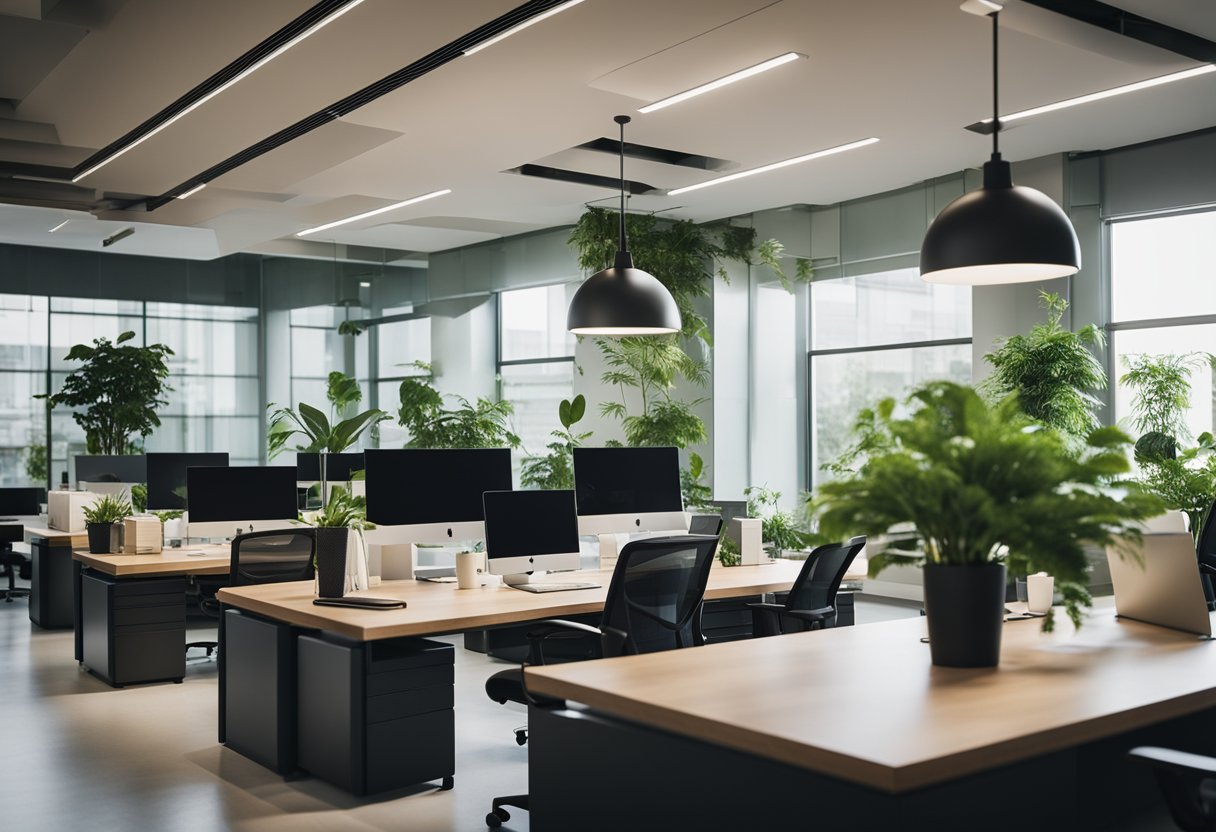
Designing a hot desking office requires careful consideration of various factors to ensure that the workspace is functional, efficient, and enjoyable for employees. This includes the layout of the office, the type of furniture used, and the technology available. It also requires a shift in culture and management to ensure that employees are comfortable with the new way of working and that they have the necessary tools and support to succeed.
Key Takeaways
- Hot desking office design is a flexible workspace environment that promotes collaboration, flexibility, and a more dynamic work environment.
- Designing a hot desking office requires careful consideration of various factors to ensure that the workspace is functional, efficient, and enjoyable for employees.
- To succeed with hot desking, companies must shift their culture and management to support employees and provide them with the necessary tools and support.
Designing a Hot Desking Office
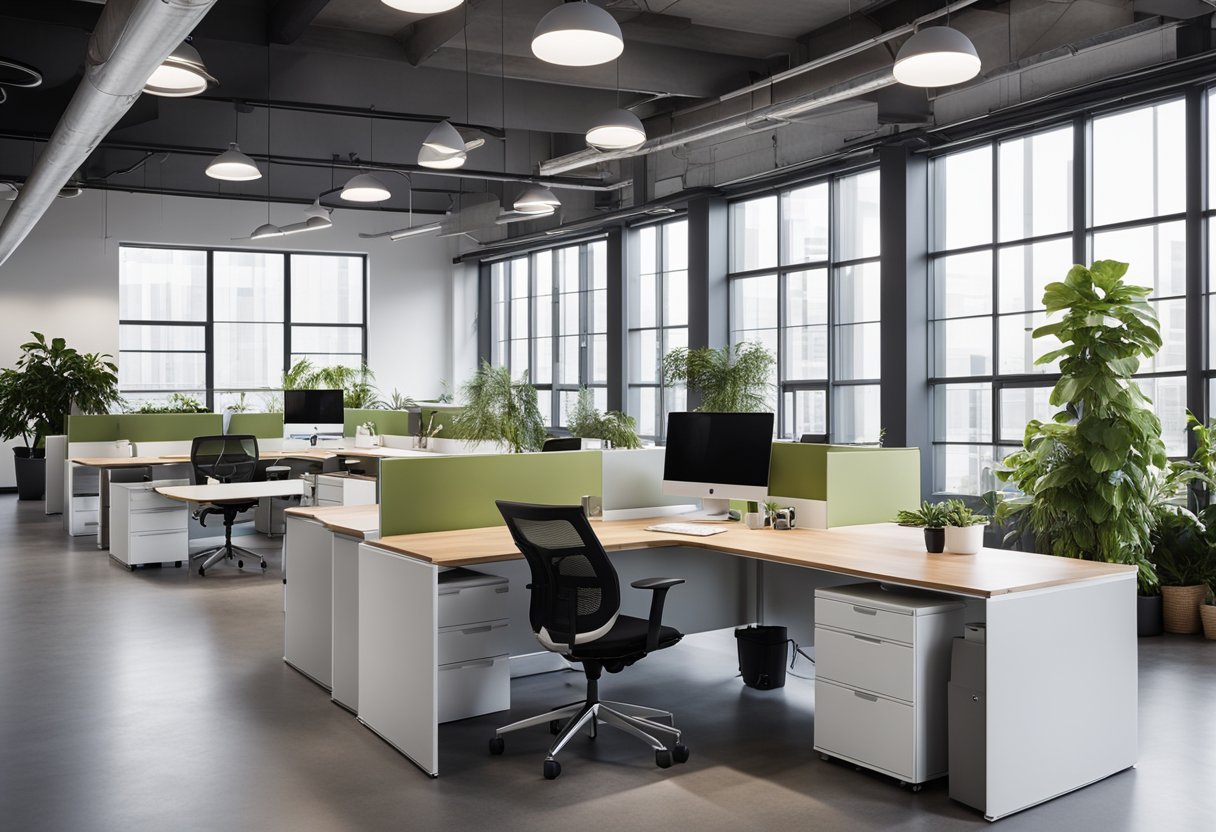
Designing a hot desking office requires careful consideration of various factors to ensure that it maximises space utilisation and enhances productivity. In this section, we will explore some of the key aspects that you need to consider when designing a hot desking office.
Space Optimisation and Layout
One of the most important aspects of designing a hot desking office is space optimisation. With hot desking, you need to ensure that you have enough space to accommodate a variety of workers, including those who prefer to work alone and those who prefer to collaborate. You should also consider the number of meeting rooms you need, and ensure that they are easily accessible to all workers.
Technology Integration
Technology is an essential aspect of hot desking office design. You need to ensure that you have the right desk booking software to manage desk reservations, and that your technology infrastructure is capable of supporting the needs of your workers. This includes ensuring that you have enough power outlets, cubby holes, and video conferencing facilities to support your workers’ needs.
Furniture and Amenities
Furniture and amenities are also important considerations when designing a hot desking office. You need to ensure that you have comfortable seating arrangements, and that your workspace system is flexible enough to accommodate different working styles. You should also consider providing amenities such as kitchens and bathrooms to ensure that your workers have everything they need to be productive.
Overall, designing a hot desking office requires careful consideration of a variety of factors. By optimising your physical space, integrating technology, and providing the right furniture and amenities, you can create a flexible and productive workspace that meets the needs of your workers. Miss Jasmine UK full video
Culture and Management
Encouraging Collaboration and Flexibility
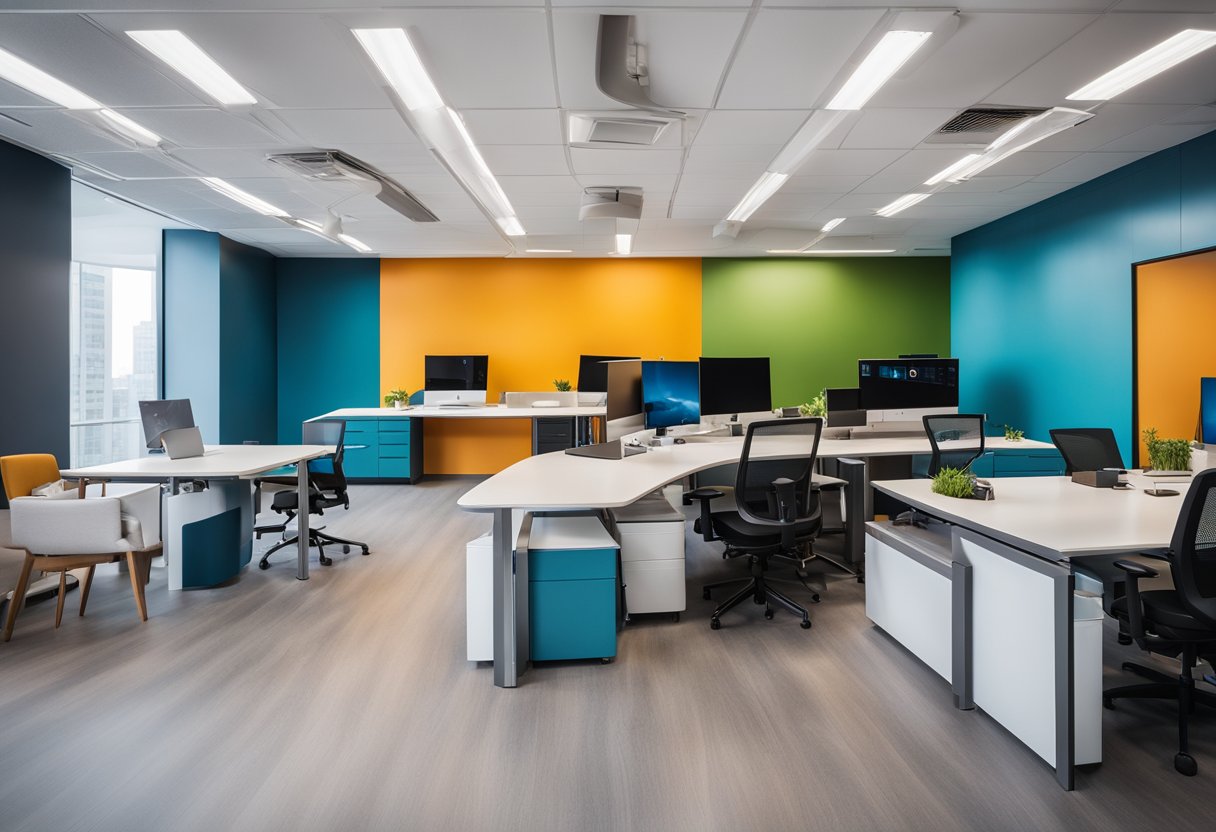
In a hot desking environment, you have the opportunity to foster a culture of collaboration and flexibility. By providing a mix of collaborative spaces, such as coworking areas and breakout zones, you can encourage cross-disciplinary collaboration and teamwork. This approach promotes employee innovation and engagement, ultimately contributing to a vibrant and inclusive company culture.
Support and Training for Employees
Support and training are crucial when transitioning to a hot desking setup. Offering guidance on best practices for using shared desks and workplace management software can help employees feel more comfortable and in control. Providing flexible lease terms and cost-effective solutions for remote workers and freelancers can further enhance your workforce’s autonomy and work-life balance.
Balancing Privacy and Openness
Balancing privacy and openness is key to successful hot desking. Incorporating phone booths and designated quiet areas allows for private space when needed, while open office plans and collaborative zones promote agility and inclusive interactions. Ensuring employees have access to lockers for personal items can help them feel more settled and at ease in a hot desking environment.
Frequently Asked Questions
How can you create an engaging and functional hot desking space for a small office?
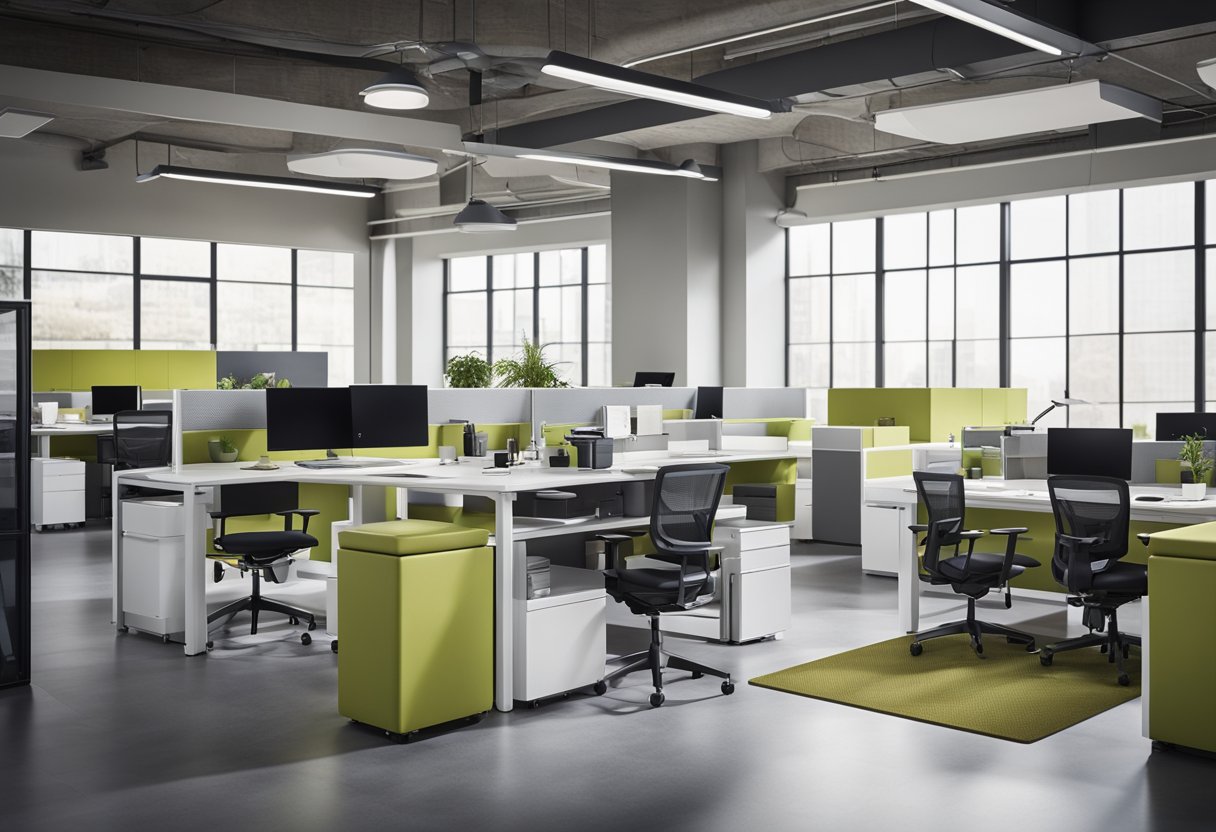
Creating a hot desking space for a small office can be a challenge, but it is possible. Start by assessing the needs of your employees and the space available. Consider using lightweight and mobile furniture that can be easily moved around to create different configurations. You can also add plants, artwork, and other decorative elements to make the space more inviting and inspiring.
What are the top design tips for setting up an efficient hot desking environment?
When designing a hot desking environment, it’s important to consider the flow of people and the use of space. Make sure there are clear pathways and designated areas for different activities, such as quiet zones for focused work and collaboration areas for team projects. Use a mix of furniture types and styles to create variety and interest, and make sure there are plenty of power outlets and charging stations available.
Could you share some innovative examples of hot desking in modern offices?
Many modern offices are using hot desking to promote collaboration and flexibility. Some examples include creating themed work areas, such as a beach or garden, to inspire creativity and relaxation. Others are using technology to enable employees to reserve desks and workspaces in advance, or to track availability in real-time. Some companies are even using hot desking to create a more dynamic and agile work environment, with employees moving to different teams and projects as needed.
What are the key benefits and potential drawbacks of implementing hot desking in your workplace?
Hot desking can offer many benefits, including increased collaboration, flexibility and cost savings. However, it can also have drawbacks, such as reduced privacy and the potential for distractions. It’s important to assess the needs of your employees and the nature of your work before implementing hot desking, and to communicate the changes clearly to everyone involved.
How do you ensure your hot desking setup meets the needs of a diverse workforce?
To ensure your hot desking setup meets the needs of a diverse workforce, it’s important to consider factors such as accessibility, cultural differences, and individual preferences. Make sure there are designated quiet areas for those who need them, and provide adjustable furniture and equipment to accommodate different body types and abilities. Encourage employees to personalize their workspaces to make them feel more comfortable and productive.
In what ways can hot desking influence collaboration and productivity in the office?
Hot desking can influence collaboration and productivity in many ways. By creating a more dynamic and flexible work environment, employees can move around and interact with different people and teams, which can lead to new ideas and perspectives. However, it’s important to balance collaboration with privacy and focus, and to provide the right tools and resources to support productivity.