
Are you considering renovating your bathroom for an elderly loved one? As we age, our mobility can decrease, and we may require more assistance with daily tasks such as bathing. A bathroom designed for seniors can promote safety, independence, and comfort. In this article, we will discuss the key considerations for aged care bathroom renovations and provide tips for creating a functional and inviting space.
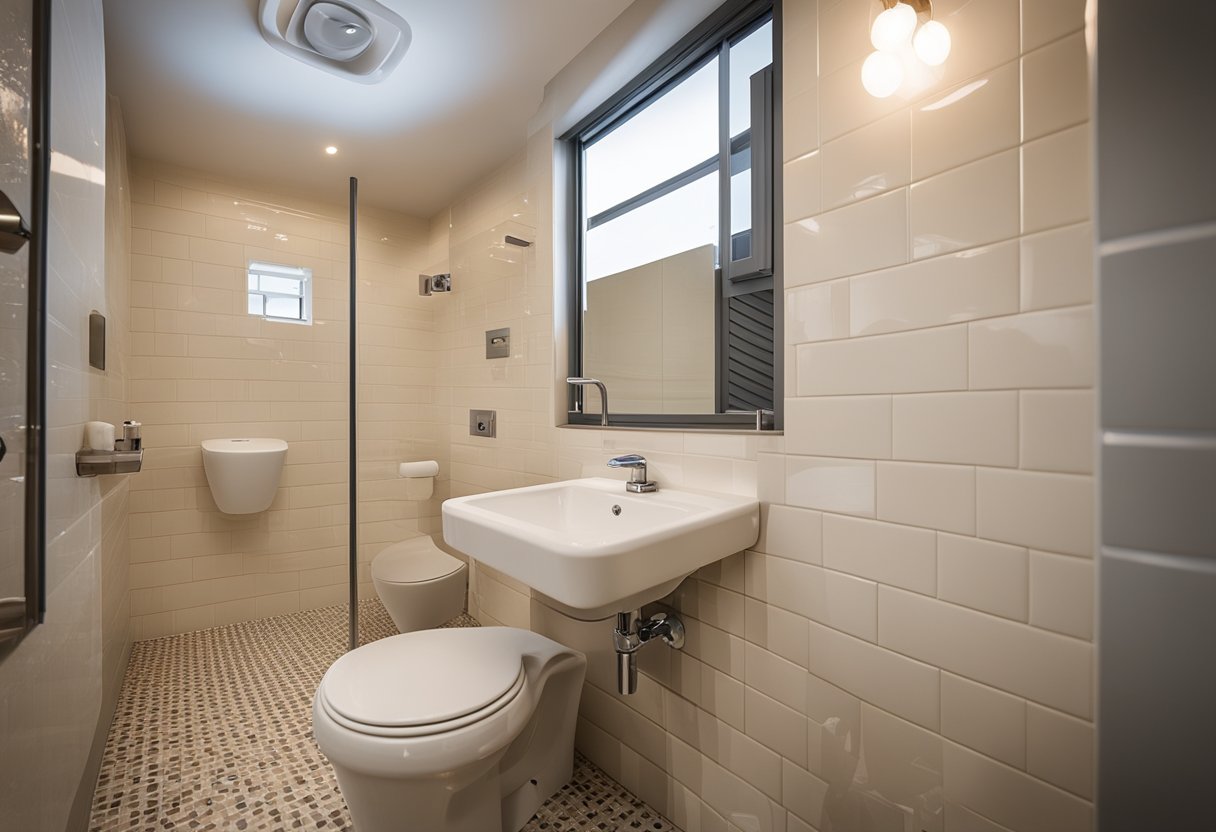
Designing for Comfort and Accessibility When designing a bathroom for the elderly, it is essential to consider their unique needs and abilities. The bathroom should be designed with safety in mind, with features such as grab bars, slip-resistant flooring, and easy-to-reach fixtures. The shower should have a seat, and there should be plenty of space for a wheelchair or walker. Additionally, the lighting should be bright and even to prevent falls.
Ensuring Quality and Support It is crucial to work with a qualified and experienced contractor who has experience in aged care bathroom renovations. They can help you design a bathroom that meets your loved one’s needs and budget. It is also essential to choose high-quality materials and fixtures that are durable and easy to maintain. Finally, consider adding personal touches such as a favourite colour or artwork to make the space feel more inviting.
Key Takeaways
- Designing a bathroom for the elderly requires careful consideration of their unique needs and abilities.
- Working with a qualified contractor and choosing high-quality materials is essential for creating a functional and inviting space.
- Personal touches such as colour and artwork can make the space feel more inviting and comfortable.
Designing for Comfort and Accessibility
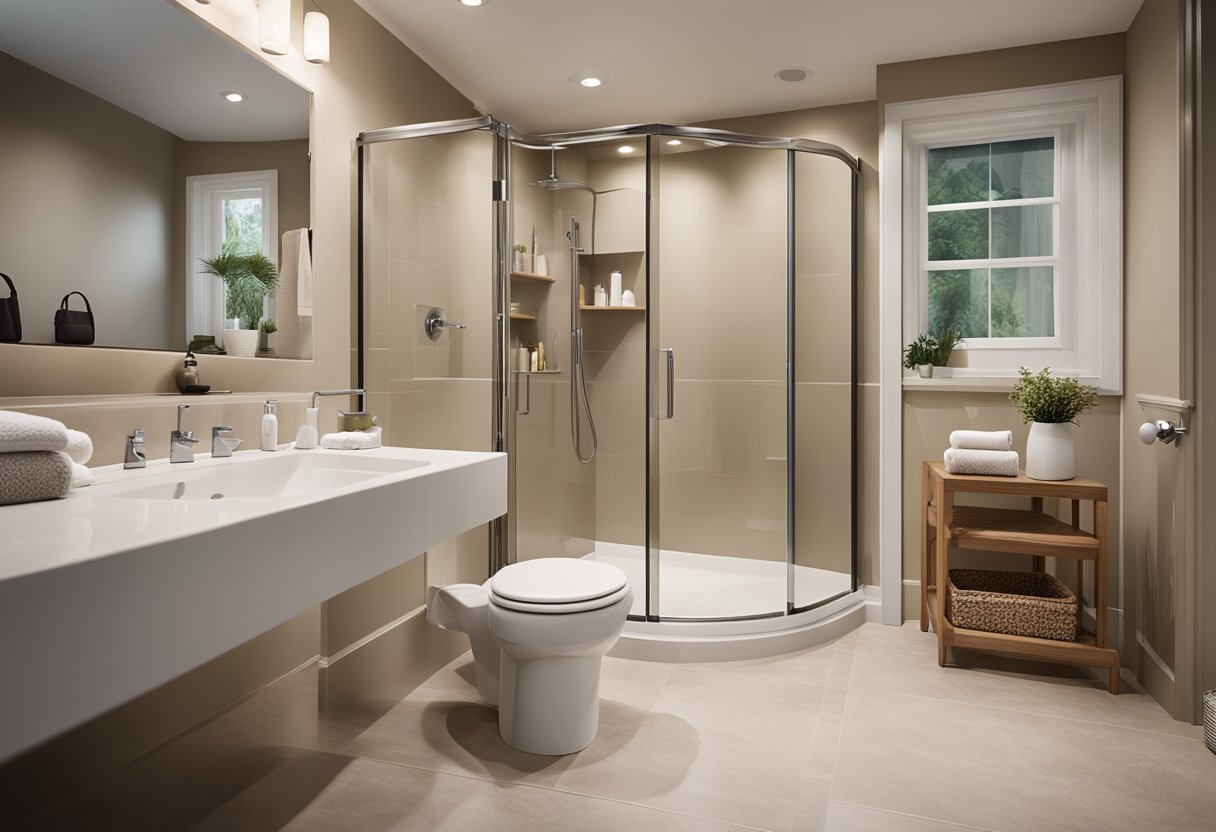
When it comes to aged care bathroom renovations, designing for comfort and accessibility is crucial. This means tailoring bathroom layouts to individual needs, incorporating safety features for enhanced stability, and selecting non-slip surfaces for added security.
Tailoring Bathroom Layouts to Individual Needs
One of the most important aspects of designing an aged care bathroom is tailoring the layout to the individual’s needs. This may include installing a walk-in bath or shower with grab rails and a non-slip surface to prevent falls. It may also involve adjusting the height of the toilet or sink to make them more accessible.
Incorporating Safety Features for Enhanced Stability
Incorporating safety features into the bathroom design is essential for enhancing stability. This may include installing grab rails and shower seats, as well as non-slip tiles on the floor and in the shower. It may also involve installing a raised toilet seat or a toilet with armrests for added support.
Selecting Non-Slip Surfaces for Added Security
Selecting non-slip surfaces for the bathroom is crucial for added security. This includes choosing non-slip tiles for the floor and shower, as well as non-slip mats for the bath. Non-slip surfaces are especially important for those with mobility issues, as they can prevent slips and falls.
Overall, designing an aged care bathroom requires careful consideration of the individual’s needs and preferences. By tailoring the layout to their specific requirements and incorporating safety features and non-slip surfaces, you can create a comfortable and accessible space that promotes independence and enhances their quality of life.
Ensuring Quality and Support
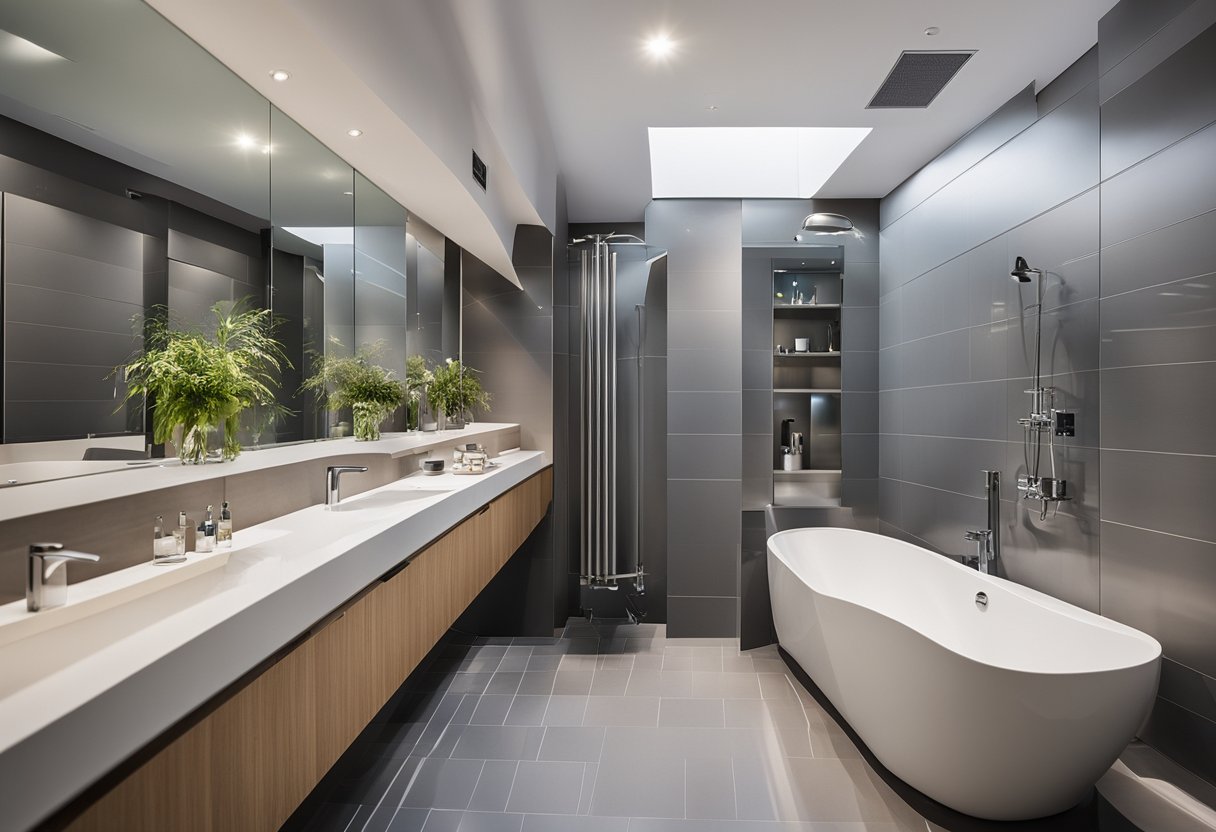
When it comes to aged care bathroom renovations, navigating funding options is crucial. You can explore options such as the National Disability Insurance Scheme (NDIS), My Aged Care, Home Care Packages, and the Commonwealth Home Support Programme. These avenues can provide financial support for your renovation project, ensuring that you can create a safe and comfortable environment for your loved ones.
Navigating Funding Options for Aged Care Renovations
Researching and understanding the funding options available to you is essential. You can discuss your requirements with relevant authorities to determine the best funding source for your specific needs. By taking advantage of these programmes, you can enhance the quality of life for your loved ones and provide them with a secure and supportive bathroom environment.
Sourcing Reliable Products and Services
When it comes to aged care bathroom renovations, sourcing reliable products and services is paramount. Look for reputable suppliers and contractors who specialise in creating safe and accessible spaces. Ensure that the products come with warranties, providing you with peace of mind and the assurance of long-term quality. Installing grab rails, grab bars, and handrails can significantly improve safety and well-being, allowing your loved ones to live safely and independently.
By carefully navigating funding options and sourcing reliable products and services, you can ensure that your aged care bathroom renovation project meets the highest standards of quality and support.
Frequently Asked Questions
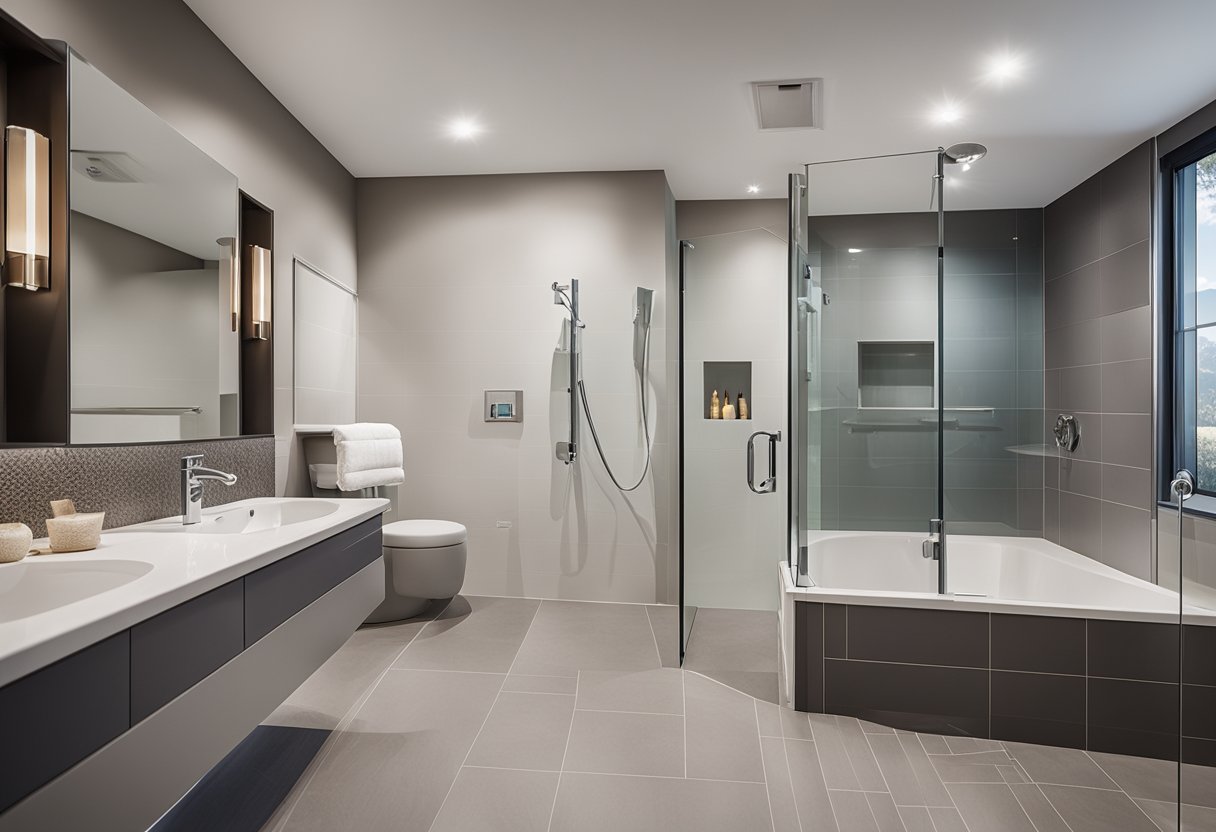
How can I transform my bathroom to be senior-friendly with exciting features?
If you want to transform your bathroom to be senior-friendly with exciting features, consider installing grab bars, non-slip flooring, and a walk-in shower. Additionally, you can incorporate adjustable showerheads and lever-handled faucets for convenience and safety.
What essential elements should I consider when designing a bathroom for an elderly individual?
When designing a bathroom for an elderly individual, it’s essential to consider features such as a walk-in bathtub, raised toilet seats, and adequate lighting. These elements can enhance accessibility and safety for seniors.
Could you suggest cost-effective ways to renovate a bathroom for aged care?
Cost-effective ways to renovate a bathroom for aged care include installing grab bars, adding non-slip mats, and adjusting the height of bathroom fixtures to accommodate the specific needs of elderly individuals.
Where can I find professionals who specialise in elderly bathroom modifications?
You can find professionals who specialise in elderly bathroom modifications by contacting local home renovation companies, searching online directories, or seeking recommendations from healthcare professionals.
What are the latest innovations in home modifications for the disabled or elderly?
The latest innovations in home modifications for the disabled or elderly include smart toilets with bidet features, motion-activated lighting, and voice-controlled bathroom fixtures for added convenience and independence.
Are there any grants available for seniors needing bathroom modifications?
There are various grants and financial assistance programmes available for seniors needing bathroom modifications. You can explore options offered by local councils, charities, and government agencies to support these renovations.