
Renovated shipping containers are a creative and affordable way to revolutionise spaces. Shipping containers are versatile and durable, and with some expert planning and design, they can be transformed into beautiful and functional living and working spaces. From tiny homes to pop-up shops, renovated shipping containers are gaining popularity and are a great alternative to traditional building methods.
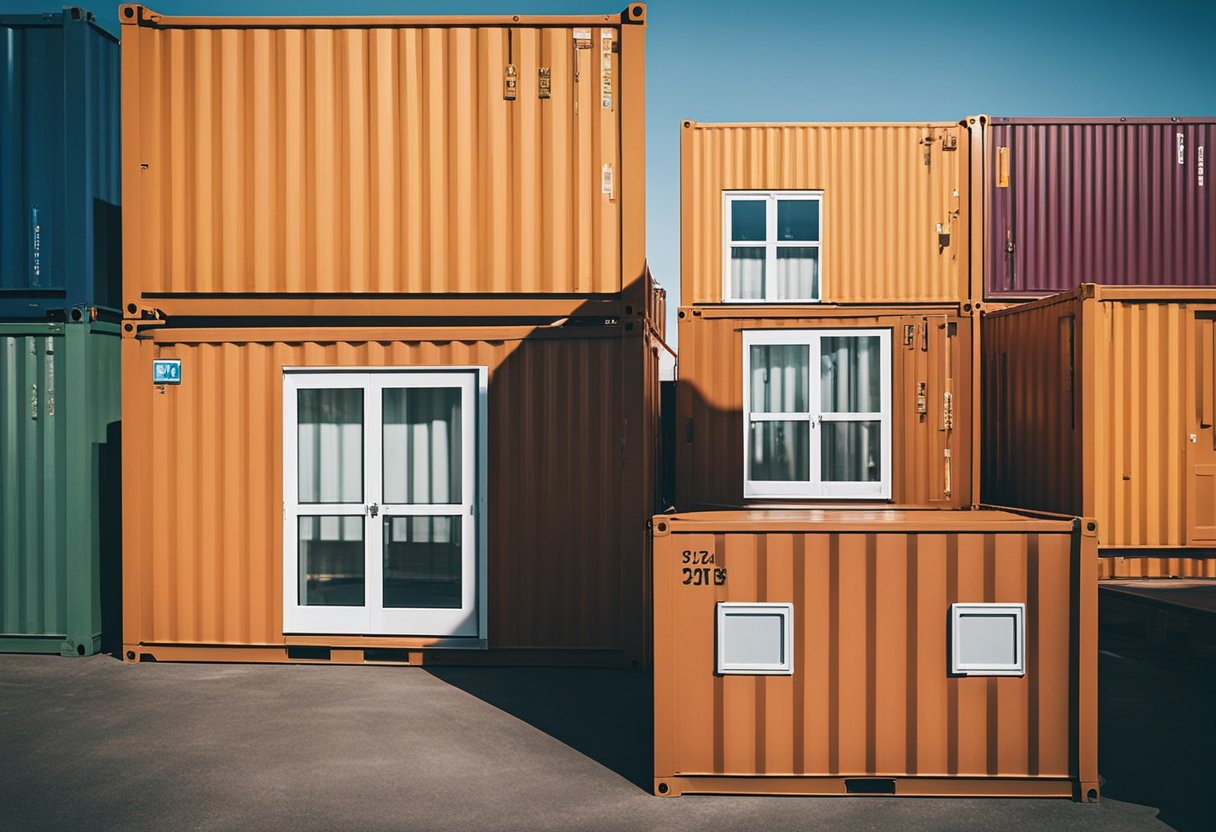
One of the most exciting aspects of renovating shipping containers is the endless possibilities. With a little imagination and creativity, shipping containers can be transformed into anything from a home office to a rooftop bar. Shipping containers are also eco-friendly, as they are repurposed rather than discarded, and can be easily transported to any location.
Key Takeaways
- Renovated shipping containers are a creative and affordable way to revolutionise spaces
- Shipping containers are versatile and durable, and with some expert planning and design, they can be transformed into beautiful and functional living and working spaces
- Shipping containers are eco-friendly and can be easily transported to any location
Revolutionising Spaces with Renovated Shipping Containers

Are you tired of traditional homes and looking for something unique, eco-friendly, and cost-effective? Look no further than renovated shipping containers. These containers are being repurposed and converted into comfortable living spaces, offices, and even hotels, revolutionising the way we think about building design.
The Allure of Container Homes
Container homes have gained popularity due to their unique designs and customisation options. Architects and builders have been able to showcase their creativity by transforming these containers into stunning living spaces with a modern twist. The flexibility of shipping containers allows for the creation of various room configurations, including multi-level designs, open floor plans, and even rooftop decks.
Design and Customisation
One of the most significant benefits of using a shipping container for your home is the ability to customise it according to your specific needs. The containers can be modified to include windows, doors, and insulation, making them comfortable to live in. You can also add your personal touch to the design with unique paint colours, flooring, and fixtures.
Regulatory Considerations
Before embarking on a container home project, it is essential to consider regulatory requirements. Planning permission and building regulations vary depending on the location, so it is crucial to research the local regulations before starting the project. You should also ensure that the container meets the necessary safety requirements, including structural integrity, fire safety, and ventilation.
In conclusion, renovated shipping containers are an excellent option for those seeking a unique, eco-friendly, and cost-effective living space. The flexibility and customisation options make them an attractive option for architects, builders, and homeowners alike. However, it is essential to consider the regulatory requirements before starting the project.
Practical Aspects of Shipping Container Conversion

If you’re thinking about converting a shipping container into a living space or workspace, there are several practical aspects you need to consider. From construction and modification to insulation and climate control, there are many factors that can impact the success of your project.
Construction and Modification
Shipping containers come in standard sizes of 20 feet and 40 feet, with a height of 8 feet 6 inches or 9 feet 6 inches for high cube containers. The construction of shipping containers is designed to be durable and secure, making them an ideal starting point for a conversion project.
When it comes to modifications, you can add doors, windows, and even a roof to your container. You can also use a variety of materials for cladding and insulation, depending on your needs and budget. However, it is important to work with a structural engineer to ensure that any modifications you make do not compromise the structural integrity of the container.
Insulation and Climate Control
Insulation is an important consideration when converting a shipping container, as it can help to regulate the temperature inside the container and make it more comfortable to live or work in. There are several options for insulation, including spray foam, rigid foam, and fibreglass batts.
Climate control is another important consideration, especially if you plan to use your container in an area with extreme temperatures. Heating and air conditioning are both options, but you may also want to consider passive cooling techniques such as shading and ventilation.
Utilities and Maintenance
When converting a shipping container, you will need to consider how to provide utilities such as electricity, water, and plumbing. This may involve installing a foundation, as well as running pipes and wires through the walls of the container.
Maintenance is also an important consideration, as shipping containers are designed to be used for transportation rather than as permanent structures. Regular maintenance can help to ensure that your container remains secure and weather-resistant over time.
Overall, shipping container conversion projects offer a unique and exciting opportunity to create a custom living or workspace. By considering the practical aspects of construction, insulation, climate control, and maintenance, you can ensure that your project is a success.
Frequently Asked Questions

How can I transform a shipping container into a cosy home?
Transforming a shipping container into a cosy home requires careful planning and design. First, you need to determine the size of the container that you need and the layout that will work best for you. Once you have a plan, you can start working on the interior design. Consider using warm colours and natural materials to create a cosy atmosphere. You can also add insulation and install windows to bring in natural light and fresh air.
What are the steps to properly insulate a converted container?
Insulating a converted container is essential to make it comfortable to live in. The first step is to clean and prepare the container’s interior walls. Then, you can add insulation material such as spray foam, rigid foam boards, or batt insulation. Finally, you need to install a vapour barrier to prevent moisture from entering the walls. Maui Waui porn video
Where can one find specialists in container conversion?
There are many companies that specialise in container conversions. A quick online search will reveal a list of companies that offer container conversion services. It is important to choose a reputable company that has experience in container conversions and can provide references from previous clients.
What are the legal requirements for placing a container home on my property?
The legal requirements for placing a container home on your property vary depending on your location. In general, you will need to obtain planning permission from your local council or authority. You may also need to comply with building regulations and obtain permits for utilities such as water and electricity.
What creative designs are trending for container refurbishment?
Container refurbishment offers endless possibilities for creative designs. Some popular trends include adding rooftop gardens, creating multi-level structures, and incorporating industrial elements such as exposed brick and metal accents. You can also add custom features such as built-in furniture and unique lighting fixtures.
How much does it typically cost to convert a shipping container into a liveable space?
The cost of converting a shipping container into a liveable space varies depending on the size of the container, the level of customisation, and the location. On average, it can cost anywhere from £20,000 to £100,000 or more. It is important to obtain quotes from several different companies and compare the costs and services offered.