
Flowers are the perfect way to add a touch of beauty and elegance to your home interior. With a wide range of colours, textures, and shapes to choose from, flowers can be incorporated into any interior design style, from classic to contemporary. Whether you prefer bold, bright blooms or delicate, understated petals, flowers can help to create a warm and inviting atmosphere in any room.
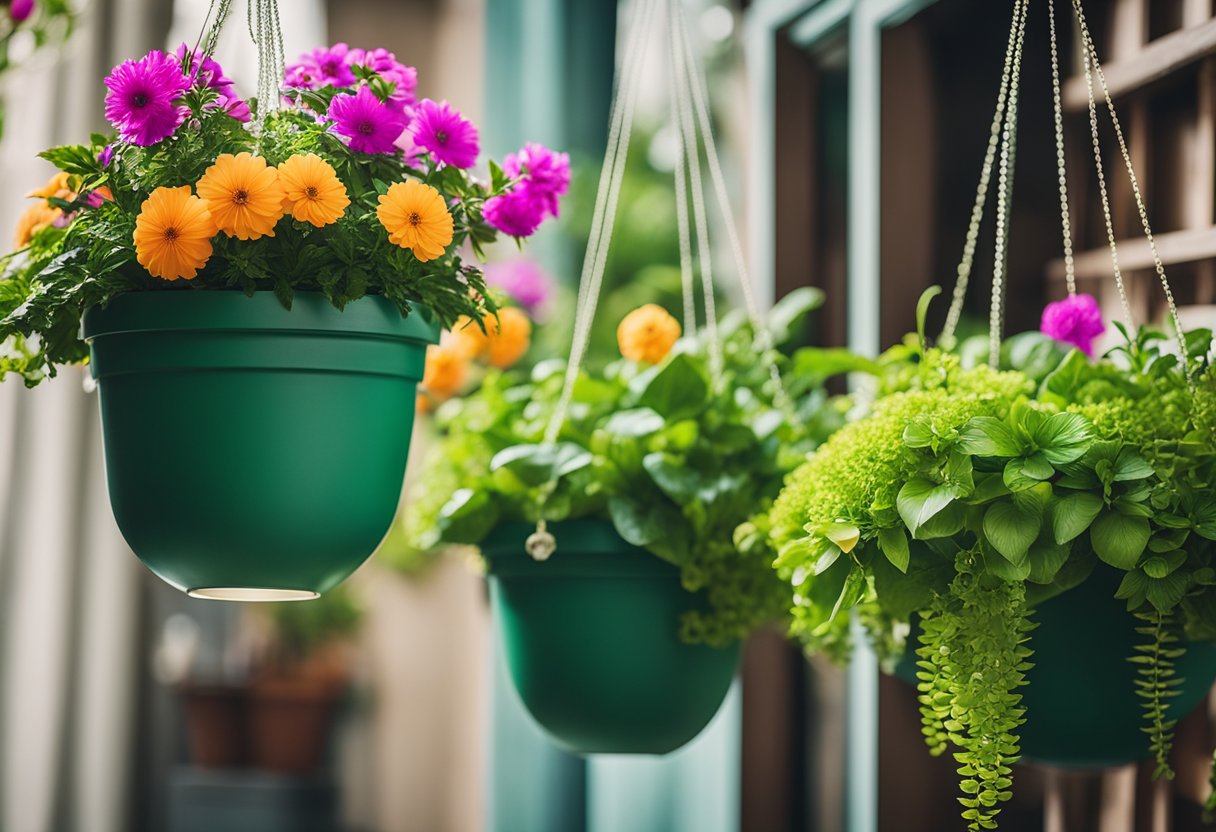
The art of flower arrangements in interior design is a skill that has been perfected over centuries. From the ancient Greeks to the modern-day interior designers, flowers have been used to create stunning and sophisticated interiors that reflect the beauty of nature. Whether you choose to use fresh flowers or artificial ones, the key is to create a harmonious balance between the flowers and the other design elements in the room.
Design elements and textures are important considerations when incorporating flowers into your home interior. From the vase you choose to the type of flowers you use, every detail matters. The texture of the flowers can also play a role in the overall design, with soft, delicate petals creating a more feminine and romantic feel, while bold, structured blooms can add a touch of drama and sophistication. By carefully selecting the right flowers and design elements, you can create a beautiful and harmonious interior that reflects your personal style.
Key Takeaways
- Flowers are a versatile and elegant way to add beauty and warmth to your home interior.
- The art of flower arrangements in interior design has been perfected over centuries, and can be adapted to any design style.
- By carefully selecting the right flowers and design elements, you can create a beautiful and harmonious interior that reflects your personal style.
The Art of Flower Arrangements in Interior Design
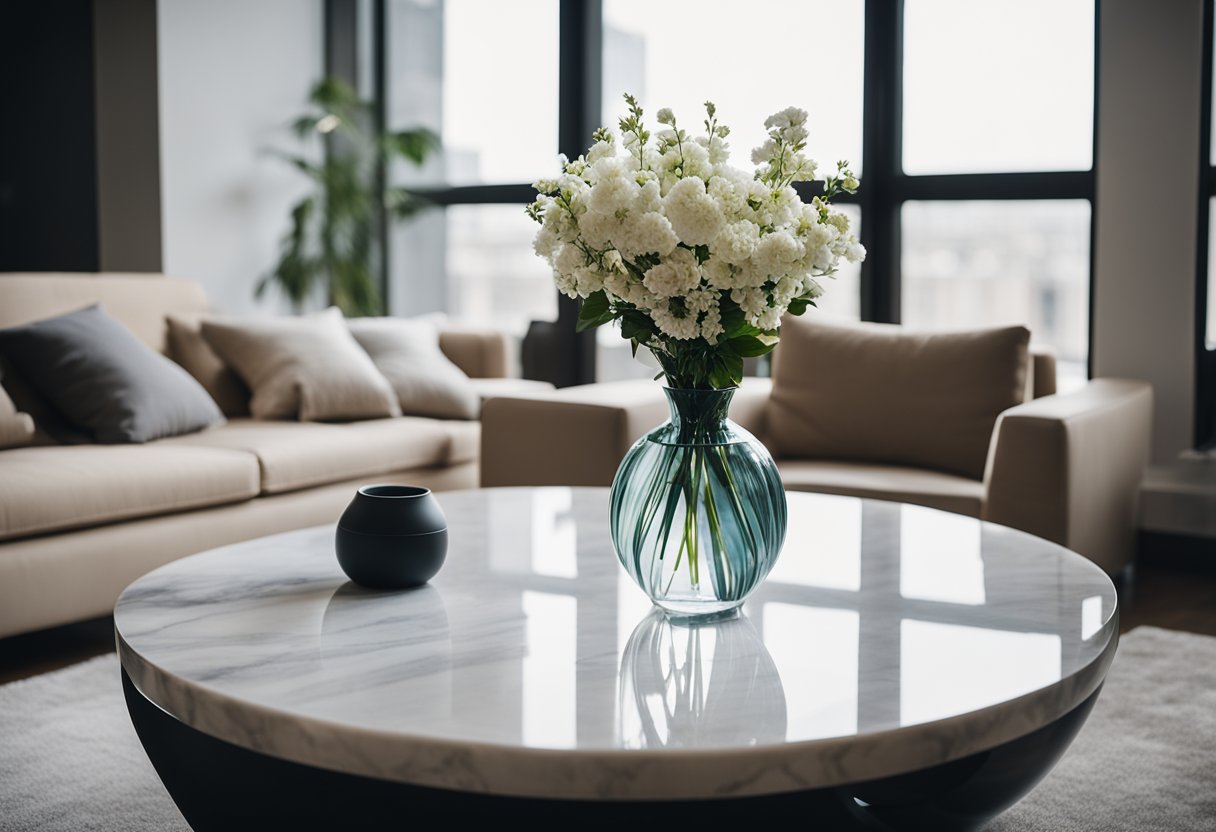
Flowers are a timeless addition to any room. They bring a sense of freshness and life to your space, and can be used to create stunning centrepieces or add subtle touches of colour and texture. Here are some tips for using flowers to enhance your interior design.
Selecting Flowers to Match Your Decor
When selecting flowers for your interior design, it’s important to consider the colours and style of your decor. If you have a minimalist or modern style, you may want to choose flowers with clean lines and simple shapes, such as roses, tulips, or lilies. For a more rustic or bohemian look, wildflowers or mixed floral arrangements can add a touch of whimsy and charm.
You should also consider the size of your space and the size of your vase or container. A large, dramatic floral arrangement may overwhelm a small room, while a small arrangement may get lost in a large space. Choose flowers that will complement your decor and fit the scale of your room.
Creating Stunning Centrepieces
A centrepiece can be a focal point of your room, and flowers are a great way to create a stunning display. To create a centrepiece, choose a vase or container that complements your decor and select flowers that match your colour scheme. You can create a monochromatic look with all one colour of flower, or mix and match colours and textures for a more eclectic look.
To create a balanced arrangement, use the “rule of thirds”. Divide your vase or container into three sections and arrange your flowers in groups of three, with each group in a different section. This will create a balanced and visually appealing arrangement.
Integrating Potted Plants and Blooms
Potted plants and blooming flowers are a great way to add a touch of nature to your interior design. They can be used to fill empty corners or add interest to a bookshelf or windowsill. When selecting potted plants, choose plants that will thrive in the lighting and temperature of your room. Succulents and cacti are great for bright, sunny rooms, while ferns and snake plants are better suited for low-light areas.
When using blooming flowers as a part of your interior design, consider using them as accents rather than focal points. A small vase of fresh flowers on a coffee table or bedside table can add a subtle touch of colour and fragrance to your room.
In conclusion, flowers and plants can be a beautiful and versatile addition to your interior design. By selecting flowers that match your decor, creating stunning centrepieces, and integrating potted plants and blooms, you can add a touch of nature and beauty to your home.
Design Elements and Textures
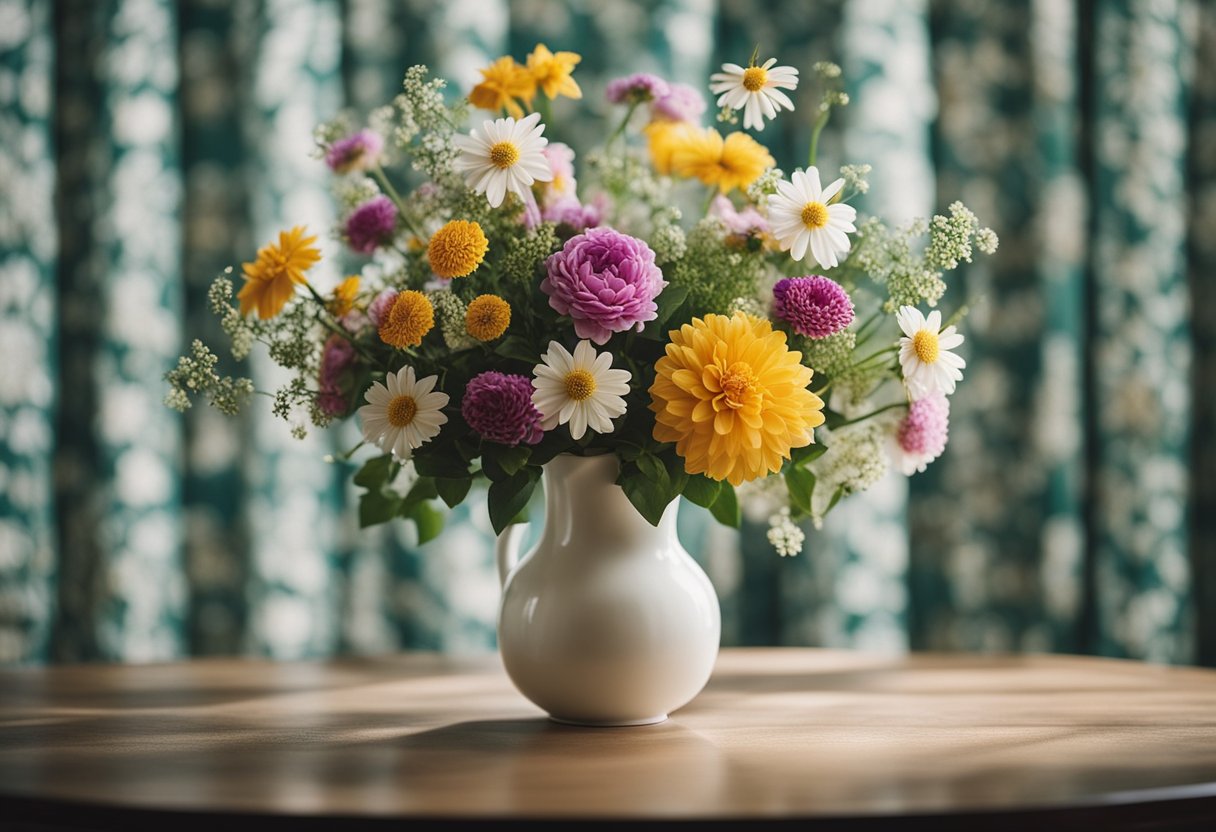
Flowers are a great way to add colour and texture to any room, whether you’re going for a bold statement or a subtle accent. Incorporating floral design elements and textures can help you create a cohesive and inviting space. Here are some tips on how to use design elements and textures to create a stunning floral interior.
Colour and Contrast in Floral Design
One of the most important aspects of floral design is colour. When choosing flowers for your interior, consider the colours that will complement and contrast with your existing décor. For instance, if you have a neutral colour scheme, you can add a pop of colour with bright and bold flowers. On the other hand, if you have a colourful room, you can use flowers with more muted tones to create a calming effect.
Contrasting colours can also help create a dynamic and eye-catching floral design. For example, pairing yellow and purple flowers can create a stunning contrast that draws the eye. You can also use complementary colours, such as blue and orange, to create a harmonious and balanced floral design.
Incorporating Textures with Flowers and Accessories
Textures can add depth and dimension to your floral interior design. You can incorporate textures with flowers, vases, and other accessories. For example, you can use flowers with different textures, such as roses and hydrangeas, to create a varied and interesting floral arrangement.
You can also use textured vases and containers to add visual interest to your floral design. Woven baskets, ceramic pots, and glass vases with etched patterns are all great options for adding texture to your floral interior design.
Floral Patterns and Wallpaper
Floral patterns and wallpaper are a great way to add a bold and dramatic statement to your interior design. You can use floral wallpaper to create a feature wall or to add interest to a small space, such as a powder room or hallway.
When using floral patterns, it’s important to choose a pattern that complements your existing décor. For example, if you have a modern and minimalist room, you can use a simple and understated floral pattern to add a touch of femininity. On the other hand, if you have a traditional and ornate room, you can use a bold and dramatic floral pattern to create a stunning focal point.
In conclusion, incorporating floral design elements and textures can help you create a stunning and inviting interior. By considering colour, contrast, and texture, you can create a cohesive and visually interesting floral interior design.
Frequently Asked Questions
How can fresh flowers transform your home decor?
Fresh flowers can add a touch of elegance and sophistication to your home decor. They bring a natural beauty and a refreshing fragrance that can instantly uplift the ambiance of any space. Whether you want to create a romantic atmosphere or a vibrant energy, fresh flowers can help you achieve the desired effect. You can choose from a wide variety of flowers, such as roses, lilies, tulips, and daisies, to match your personal style and preferences.
What are the top trends in modern floral home design?
The top trends in modern floral home design include minimalistic arrangements, monochromatic colour schemes, and oversized blooms. Minimalistic arrangements feature a few select flowers arranged in a simple and elegant manner. Monochromatic colour schemes use flowers of the same colour to create a cohesive and sophisticated look. Oversized blooms, such as peonies and dahlias, make a bold statement and add a touch of drama to any space.
How can small spaces be enhanced with floral arrangements?
Small spaces can be enhanced with floral arrangements by using compact and delicate blooms, such as baby’s breath and lavender. You can also use small vases and jars to create a charming and intimate display. Hanging floral arrangements, such as macrame plant hangers and wall-mounted vases, can also be a great way to add a touch of nature to a small space without taking up precious floor space.
What are the best practices for incorporating artificial flowers in living room decor?
When incorporating artificial flowers in living room decor, it is essential to choose high-quality and realistic-looking blooms. You should also mix and match artificial flowers with real plants to create a natural and organic look. Use artificial flowers sparingly and strategically, such as in areas that are hard to reach or where real flowers may not thrive. Finally, make sure to clean and dust your artificial flowers regularly to keep them looking fresh and vibrant.
Can you suggest innovative ways to decorate your home entrance with flowers?
You can decorate your home entrance with flowers in a variety of innovative ways. One idea is to use hanging baskets or planters to create a vertical garden display. Another idea is to use a mix of flowers and foliage to create a colourful and textured welcome mat. You can also use flower petals to create a unique and eye-catching pathway or use flowers to frame your front door or windows.
What are the essential techniques for creating a stunning decorative floral design?
The essential techniques for creating a stunning decorative floral design include choosing the right flowers, selecting a suitable vase or container, and arranging the flowers in a balanced and harmonious way. When selecting flowers, consider the colour, texture, and shape of the blooms, as well as their seasonality and availability. When selecting a vase or container, consider the size, shape, and style of the vessel, as well as the overall aesthetic of the space. Finally, when arranging the flowers, use the principles of balance, contrast, and rhythm to create a visually pleasing and harmonious display.