
Boutique hotels offer a unique experience that goes beyond just a place to sleep. They are designed to create a luxurious and personalised experience for guests. The interior design of boutique hotel rooms plays a significant role in creating this experience. From the choice of colours, materials, lighting, and furniture, every aspect of the room is carefully curated to create a cohesive and memorable design.
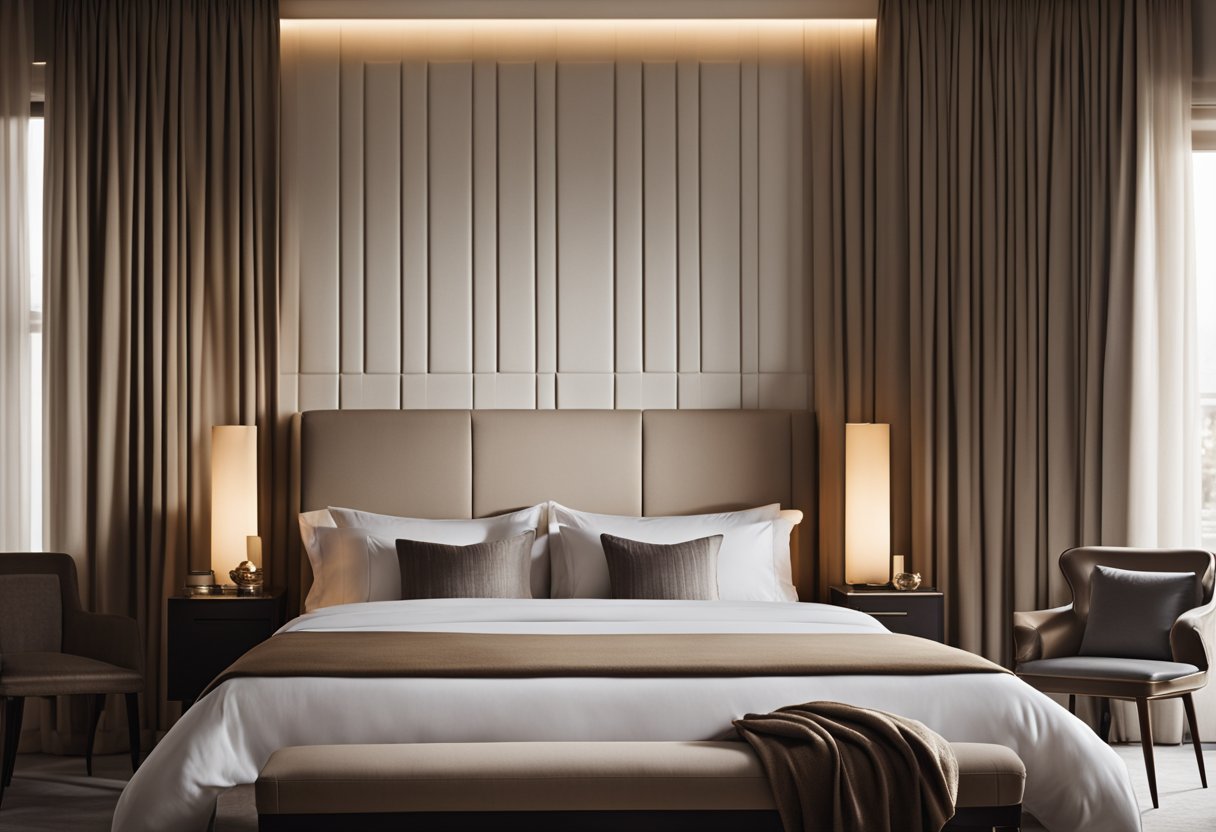
Designing the ultimate boutique hotel room requires a balance of aesthetics and functionality. The design must appeal to the guests’ senses while also providing comfort and convenience. Luxury is a common theme in boutique hotel room design, with high-end materials such as marble, velvet, and brass being popular choices. However, the design must also be practical, with features such as ample storage space, comfortable seating, and well-designed lighting.
Key Considerations for Boutique Hotel Room Design include the target market, location, and brand identity. The design must be tailored to the target market’s preferences, whether it is business travellers, couples, or families. The location of the hotel also plays a significant role in the design, with local culture and surroundings influencing the design choices. Finally, the brand identity must be reflected in the design, creating a cohesive experience for guests that aligns with the hotel’s values and vision.
Key Takeaways
- Boutique hotel room design plays a significant role in creating a luxurious and personalised experience for guests.
- The ultimate boutique hotel room design requires a balance of aesthetics and functionality, tailored to the target market, location, and brand identity.
- Luxury, practicality, and attention to detail are key elements in boutique hotel room design.
Designing the Ultimate Boutique Hotel Room
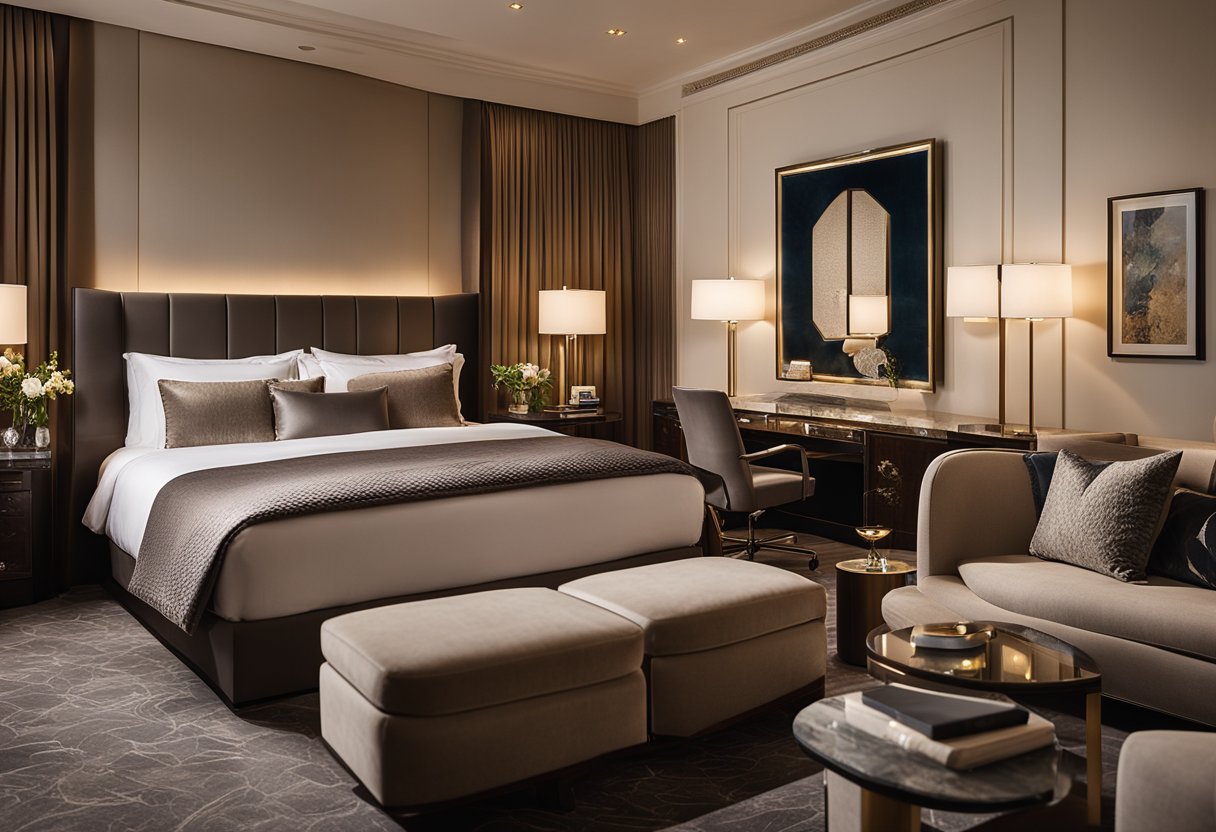
Designing a boutique hotel room is an exciting and creative process that requires attention to detail and a focus on luxury and comfort. To create a truly unique and memorable space, it is important to embrace luxury and comfort, select distinctive furniture, incorporate Art Deco elements, and maximise natural light.
Embracing Luxury and Comfort
When designing a boutique hotel room, it is important to create a luxurious and comfortable environment that guests will enjoy and remember. This can be achieved through the use of high-quality materials such as silk and velvet, plush bedding, and soft lighting. To create a truly luxurious experience, consider adding a spa-like bathroom with a rain shower and a deep soaking tub.
Selecting Distinctive Furniture
Distinctive furniture is a key element of boutique hotel room design. When selecting furniture, consider pieces that are unique, stylish, and functional. This could include a statement headboard, a vintage armchair, or a sleek writing desk. To add a touch of luxury, consider incorporating gold or brass accents into the furniture design.
Incorporating Art Deco Elements
Art Deco is a popular design style for boutique hotels, known for its bold geometric shapes and luxurious materials. To incorporate Art Deco elements into your boutique hotel room design, consider using bold patterns, metallic accents, and rich fabrics such as velvet and leather. A statement Art Deco chandelier or a mirrored accent wall can also add a touch of glamour to the space.
Maximising Natural Light
Maximising natural light is essential for creating a bright and inviting boutique hotel room. To achieve this, consider using large windows, light-coloured walls, and sheer curtains. A strategically placed mirror can also help reflect natural light and make the space feel larger and more open.
In conclusion, designing the ultimate boutique hotel room requires a focus on luxury, comfort, and unique design elements such as distinctive furniture and Art Deco accents. Maximising natural light is also key to creating a bright and inviting space that guests will love.
Key Considerations for Boutique Hotel Room Design
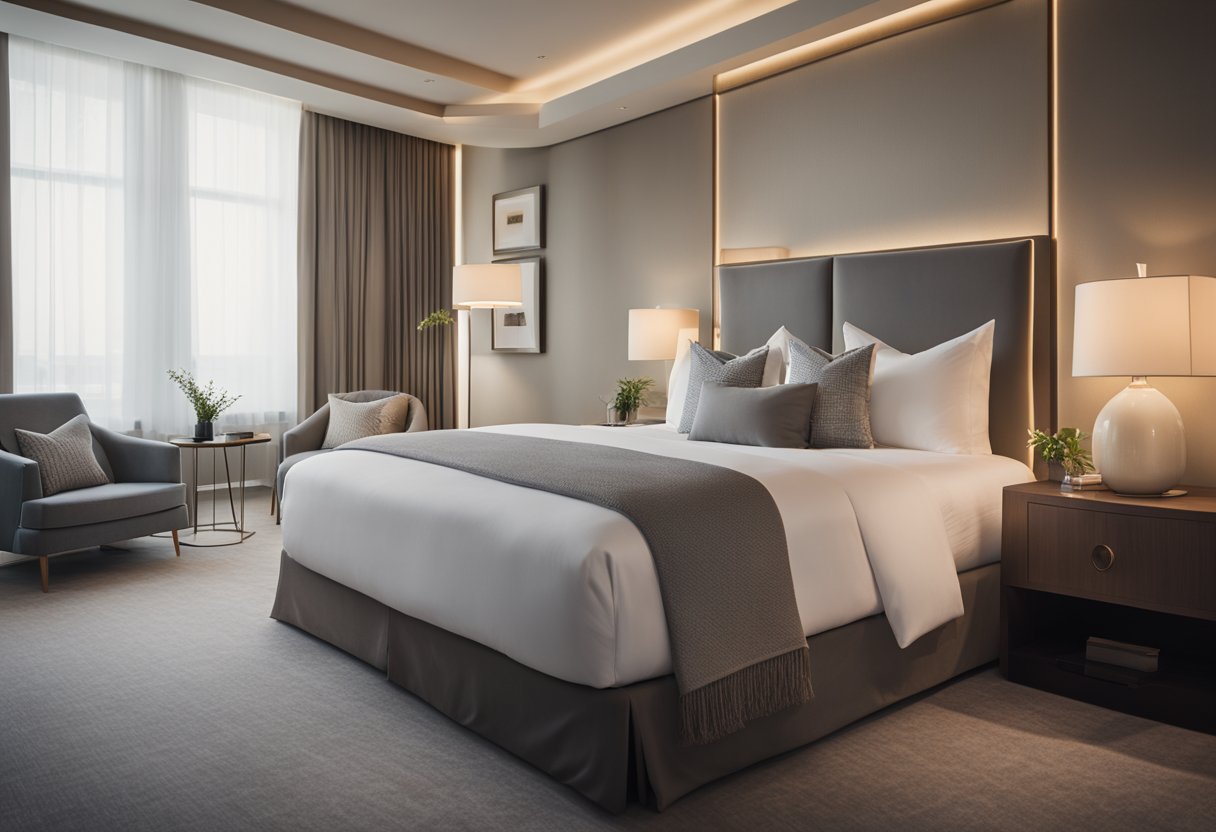
Designing a boutique hotel room requires a keen eye for detail and a deep understanding of the guest experience. Here are some key considerations to keep in mind when designing a boutique hotel room that will leave a lasting impression on your guests.
Collaborating with Renowned Architects
The first step in designing a boutique hotel room is to find a renowned architect who can help you create a unique and memorable space. Collaborating with an architect who has experience in hotel design will ensure that your hotel room is functional, aesthetically pleasing, and meets all of the necessary safety requirements.
Designing for a Unique Bath Experience
Bathrooms are an essential part of any hotel room, and designing a unique bath experience can set your boutique hotel apart from the competition. Consider installing a luxurious soaking tub, a rainfall shower, or a steam room to create a spa-like experience for your guests.
Location-Specific Design: London and Abroad
When designing a boutique hotel room, it is important to consider the location of your hotel. For example, if your hotel is located in London, you may want to incorporate elements of traditional British design into your hotel room. If your hotel is located abroad, you may want to incorporate elements of the local culture into your hotel room design.
Overall, designing a boutique hotel room requires a careful balance of form and function. By collaborating with renowned architects, designing for a unique bath experience, and incorporating location-specific design elements, you can create a hotel room that will leave a lasting impression on your guests.
Frequently Asked Questions
What are the latest trends in boutique hotel room decor?
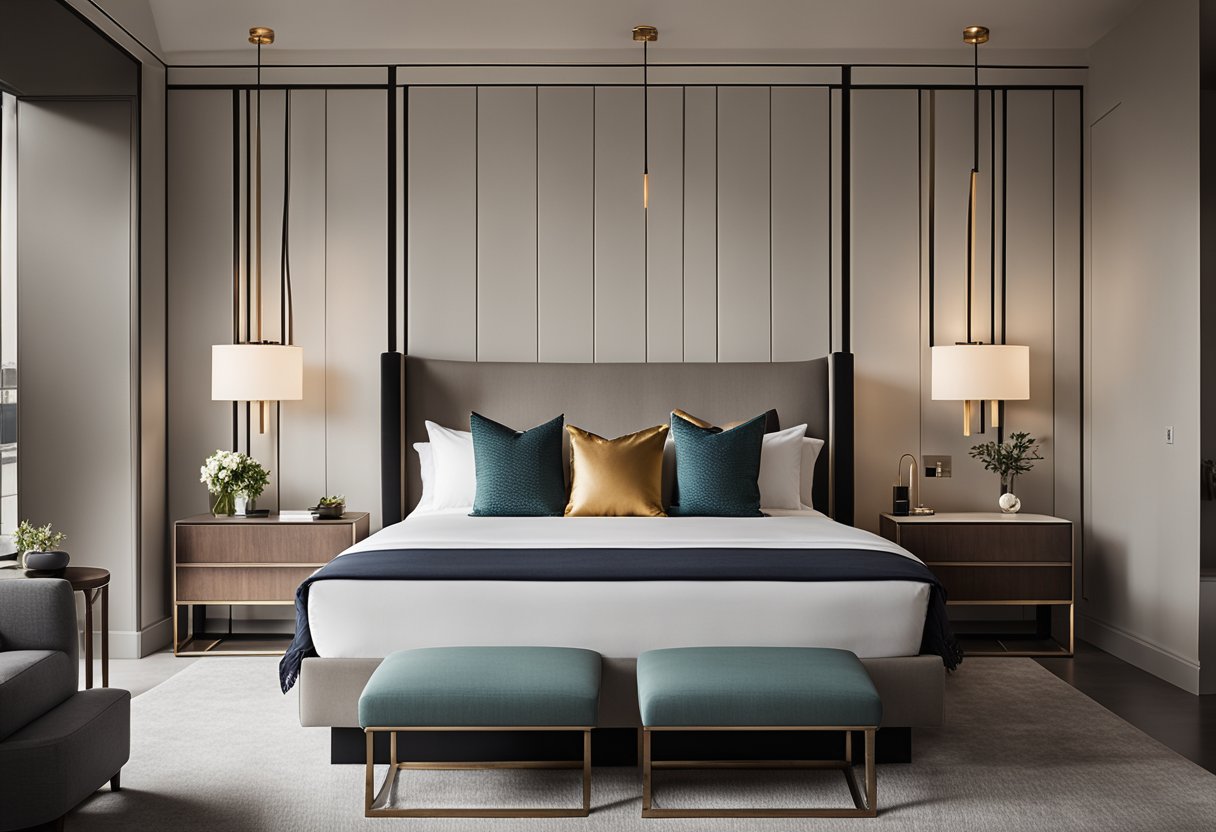
Boutique hotels are known for their unique and trendy decor. Some of the latest trends in boutique hotel room decor include using natural materials such as wood, stone, and marble to create a warm and welcoming atmosphere. Another trend is the use of bold colours and patterns to add a pop of personality and character to the room. In addition, incorporating local art and cultural influences is also becoming increasingly popular in boutique hotel room decor.
How can one maximise space in a compact boutique hotel room?
Maximising space in a compact boutique hotel room is crucial for creating a comfortable and functional environment. One way to do this is by using multi-functional furniture such as a sofa bed or a storage ottoman. Another tip is to use mirrors to create the illusion of more space. Additionally, using light colours and minimalistic decor can make the room feel more spacious.
What are some unique features that can set a boutique hotel room apart?
Boutique hotels are known for their unique and personalised experiences. Some unique features that can set a boutique hotel room apart include custom-made furniture, locally-sourced materials, and personalised amenities such as a welcome package or a handwritten note from the staff. Incorporating unique design elements such as a statement piece of artwork or a vintage piece of furniture can also add character and charm to the room.
How does one choose a colour scheme for a boutique hotel interior?
Choosing a colour scheme for a boutique hotel interior depends on the overall theme and atmosphere that you want to create. Neutral colours such as beige, white, and grey are popular choices for creating a calm and relaxing environment. Bold colours such as red, blue, and green can add a pop of personality and create a vibrant atmosphere. It’s important to consider the existing decor and lighting when choosing a colour scheme to ensure that everything works together harmoniously.
What are the key elements in creating a boutique hotel design concept?
Creating a boutique hotel design concept involves incorporating unique and personalised elements that reflect the hotel’s brand and personality. Key elements include using locally-sourced materials, incorporating cultural influences, and creating a warm and welcoming atmosphere. In addition, paying attention to details such as lighting, artwork, and furniture can make a big impact on the overall design concept.
How can lighting design influence the ambiance of boutique hotel rooms?
Lighting design plays a crucial role in creating the ambiance of boutique hotel rooms. Using a combination of natural and artificial lighting can create a warm and inviting atmosphere. Dimmer switches and adjustable lighting can also allow guests to customise the lighting to their preferences. Additionally, using statement lighting fixtures such as chandeliers or unique lamps can add character and charm to the room.