
How to Choose the Right Interior Designer in Singapore
Hiring the wrong interior designer can cost you months of delays, thousands in budget overruns, and a home that doesn’t feel like yours. The right designer, on the other hand, turns your vision into reality — on time, on budget, and beyond expectations.
This guide covers everything Singapore homeowners need to know before committing to a designer: what to look for, what to avoid, and how to make the entire process painless.

What Does an Interior Designer Actually Do?
Many homeowners assume interior designers just pick colours and furniture. In reality, a professional interior designer in Singapore manages a far broader scope:
- Space planning — Optimising your floor layout for flow, storage, and functionality before a single wall is touched
- Design development — Creating mood boards, 3D renders, material palettes, and detailed drawings that translate your style preferences into an actionable plan
- Regulatory compliance — Handling HDB renovation permits, MCST submissions for condos, or URA/BCA approvals for landed properties
- Contractor coordination — Managing electricians, plumbers, carpenters, painters, and other tradespeople so you don’t have to
- Budget management — Providing transparent quotations, managing procurement, and flagging cost risks before they become problems
- Timeline oversight — Keeping the project on schedule across multiple work streams, from hacking to final touch-ups
- Quality control — Conducting site inspections, defect checks, and handover walkthroughs to ensure workmanship meets standards
Understanding this scope helps you evaluate whether a firm is truly full-service or cutting corners.
7 Things to Look for Before Hiring an Interior Designer
1. Property type experience
An HDB renovation is nothing like a landed rebuild. Ask whether the firm has completed projects specifically for your property type — and ask to see those projects in their portfolio.
2. A transparent quotation process
A reputable firm will provide a detailed, itemised quotation — not a vague lump sum. You should be able to see exactly what you’re paying for: materials, labour, carpentry, electrical, and any project management fees.
3. Realistic timelines
If a firm promises to renovate your 4-room HDB in 3 weeks, be cautious. A full HDB renovation realistically takes 6–10 weeks; condos take 8–14 weeks. Firms that under-promise on timelines often over-promise on delivery.
4. A portfolio that matches your style
Browse their completed projects and ask yourself: do I see my taste reflected here? A firm that excels at industrial loft conversions may not be the right fit for a soft Japandi aesthetic.
5. Clear communication and responsiveness
Your designer is someone you’ll be working closely with for weeks or months. If they’re slow to reply during the consultation phase, expect worse once they have your deposit. Look for firms that set clear communication expectations upfront.
6. CaseTrust-RCMA or HDB-listed accreditation
While not mandatory, firms that hold CaseTrust-RCMA accreditation or are listed on HDB’s Renovation Contractor List have met industry standards for deposit handling, workmanship, and dispute resolution.
7. Post-renovation warranty and defect liability
Always ask about the warranty period. Most reputable firms offer a defect liability period of 1–3 years covering structural and carpentry issues. Get this in writing before signing.
5 Costly Mistakes Singapore Homeowners Make When Hiring a Designer
Mistake 1: Choosing based on price alone
The cheapest quote often hides corners that will be cut — lower-grade materials, no project management, or unlicensed subcontractors. A mid-range firm with a transparent quotation almost always delivers better long-term value than the lowest bidder.
Mistake 2: Not checking for property-type expertise
A firm that primarily renovates shophouses is not automatically equipped to handle an HDB BTO with strict hacking guidelines. Always verify that the firm has recent experience with your specific property type.
Mistake 3: Skipping the contract
A handshake deal is a recipe for disputes. Your agreement should cover: scope of work, payment schedule (never pay 100% upfront), timeline, materials list, warranty terms, and penalties for delays.
Mistake 4: Ignoring the renovation timeline
Failing to account for permit approval times, material lead times, or festive-season contractor shortages can push your move-in date back by weeks. A good designer builds buffer into the schedule — ask to see the project Gantt chart.
Mistake 5: Comparing unlike quotations
Two firms quoting S$45,000 for a 4-room HDB might be offering completely different scopes. One may include full carpentry, electrical rewiring, and plumbing; the other may exclude them. Always compare quotations line-by-line, not just the bottom number.
The Singapore Renovation Journey — What to Expect From Start to Finish
| Phase | What Happens | Typical Duration |
|---|---|---|
| 1. Research & shortlisting | Compare designers, review portfolios, request consultations. Or use WLV to skip this step entirely. | 1–4 weeks (or minutes with WLV) |
| 2. Consultation & design brief | Your designer visits the site, discusses your vision, lifestyle needs, and budget. You agree on a design direction. | 1–2 weeks |
| 3. Design development | Floor plans, 3D renders, material selections, and detailed quotation are prepared. Revisions happen here. | 2–4 weeks |
| 4. Permit applications | HDB renovation permits, MCST submissions, or URA/BCA approvals — depending on your property type. | 1–3 weeks |
| 5. Renovation works | Hacking, masonry, plumbing, electrical, carpentry, painting, and installation — managed by your designer. | 6–14 weeks (varies by property) |
| 6. Defect check & handover | Final inspection with your designer. A defect list is compiled and rectified before handover. | 1–2 weeks |
Total estimated timeline from first contact to move-in: 3 to 6 months for most residential projects.

Popular Interior Design Styles in Singapore Homes
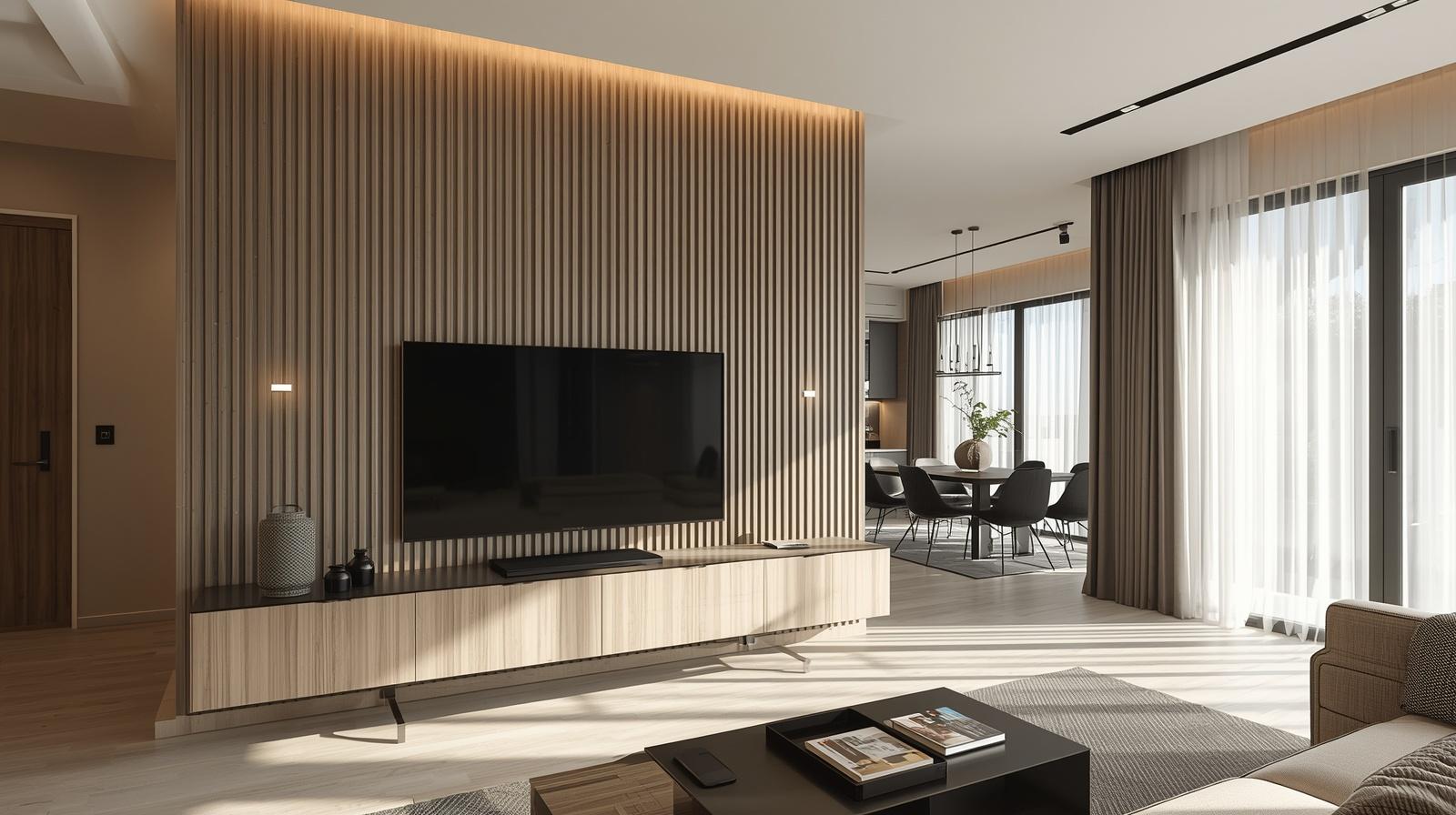
Modern Contemporary
The most requested style in Singapore. Defined by clean lines, neutral palettes with warm wood and metal accents, and a focus on functional elegance. Works across all property types from 3-room HDBs to penthouse condos.
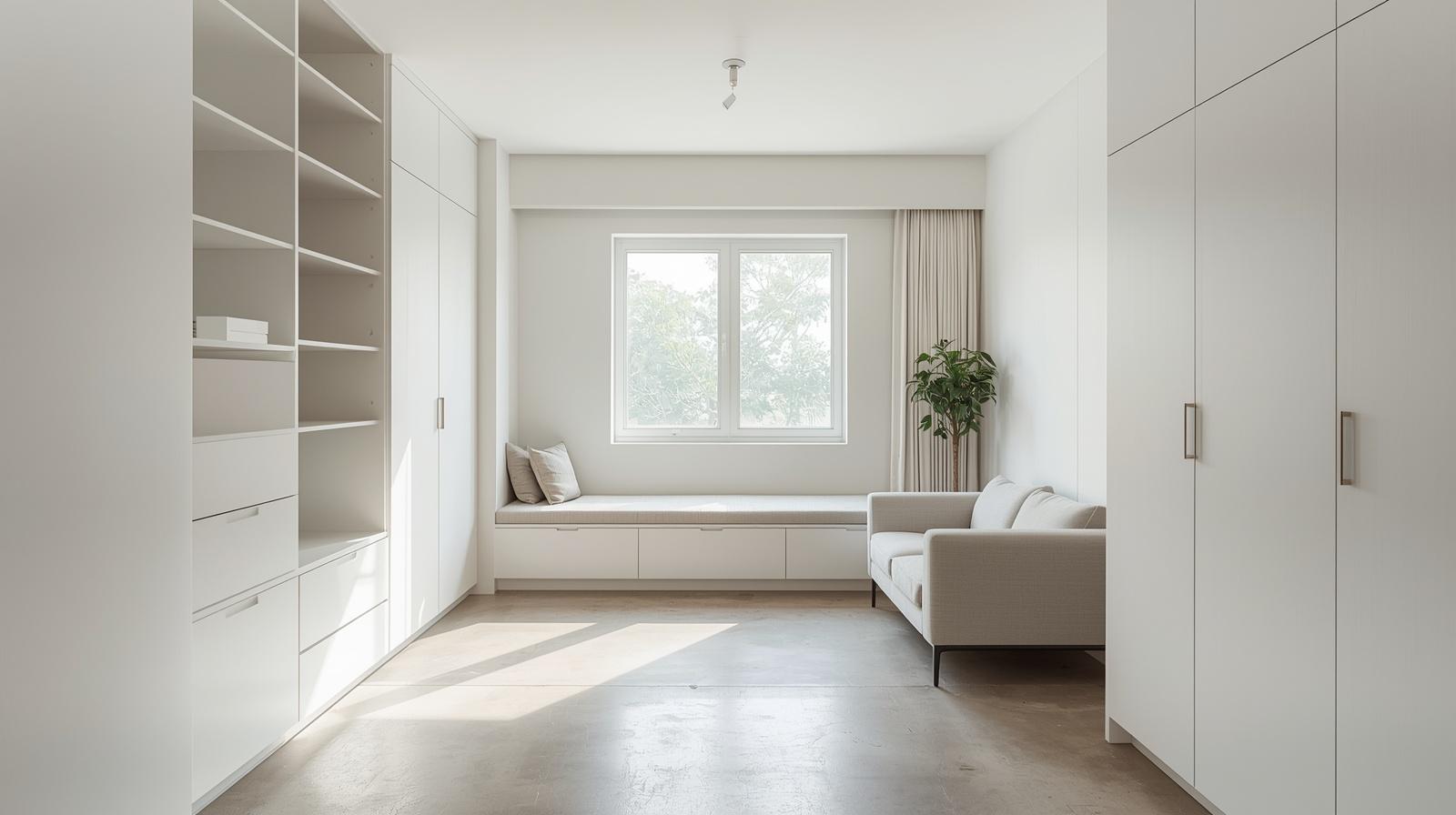
Minimalist
Stripped-back and intentional. Every piece earns its place. Hidden storage, flush cabinetry, and a restrained colour palette create a sense of calm and space — particularly effective in smaller HDB flats.
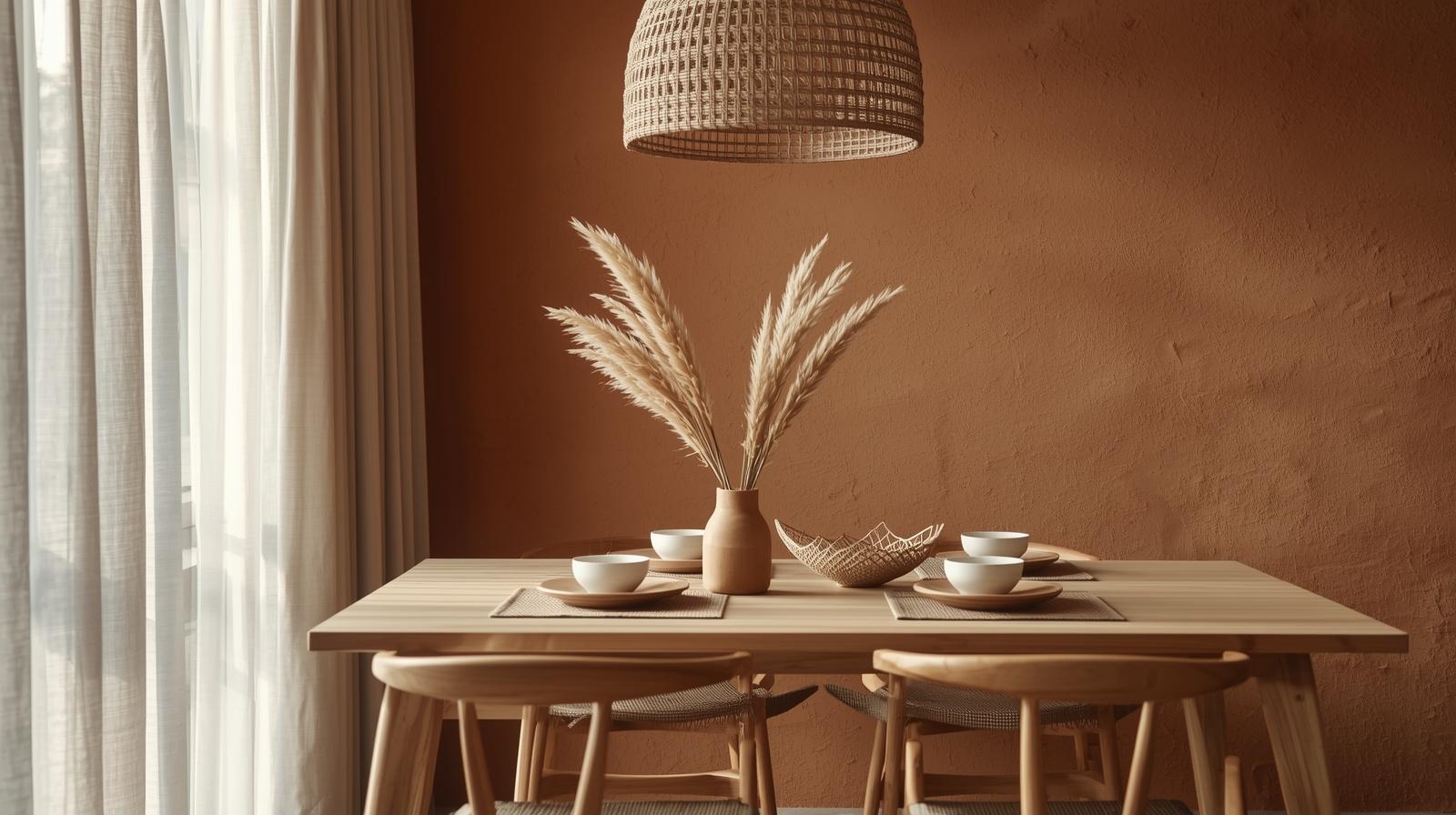
Japandi / Wabi-Sabi
A fusion of Japanese minimalism and Scandinavian warmth. Natural wood tones, handcrafted textures, soft curves, and an appreciation for imperfection. Currently one of the fastest-growing styles among Singapore homeowners.
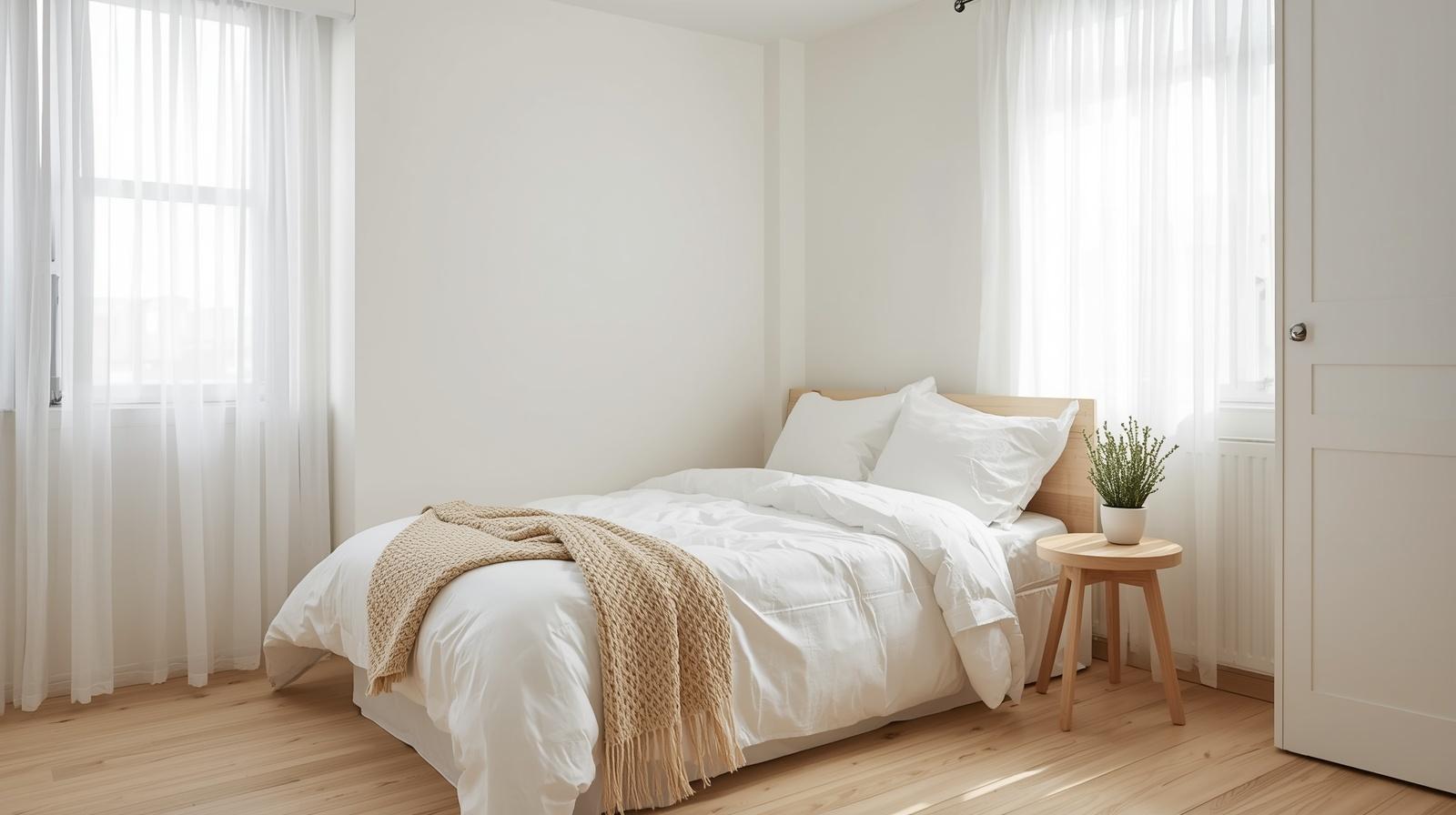
Scandinavian
Light, airy, and inviting. Defined by white walls, light timber flooring, cosy textiles, and rounded furniture. A perennial favourite for its ability to make even compact spaces feel open and welcoming.

Industrial
Exposed concrete, dark metal accents, raw brick textures, and Edison-bulb lighting. A bold, contemporary choice that adds character — especially in open-plan condos and loft-style spaces.
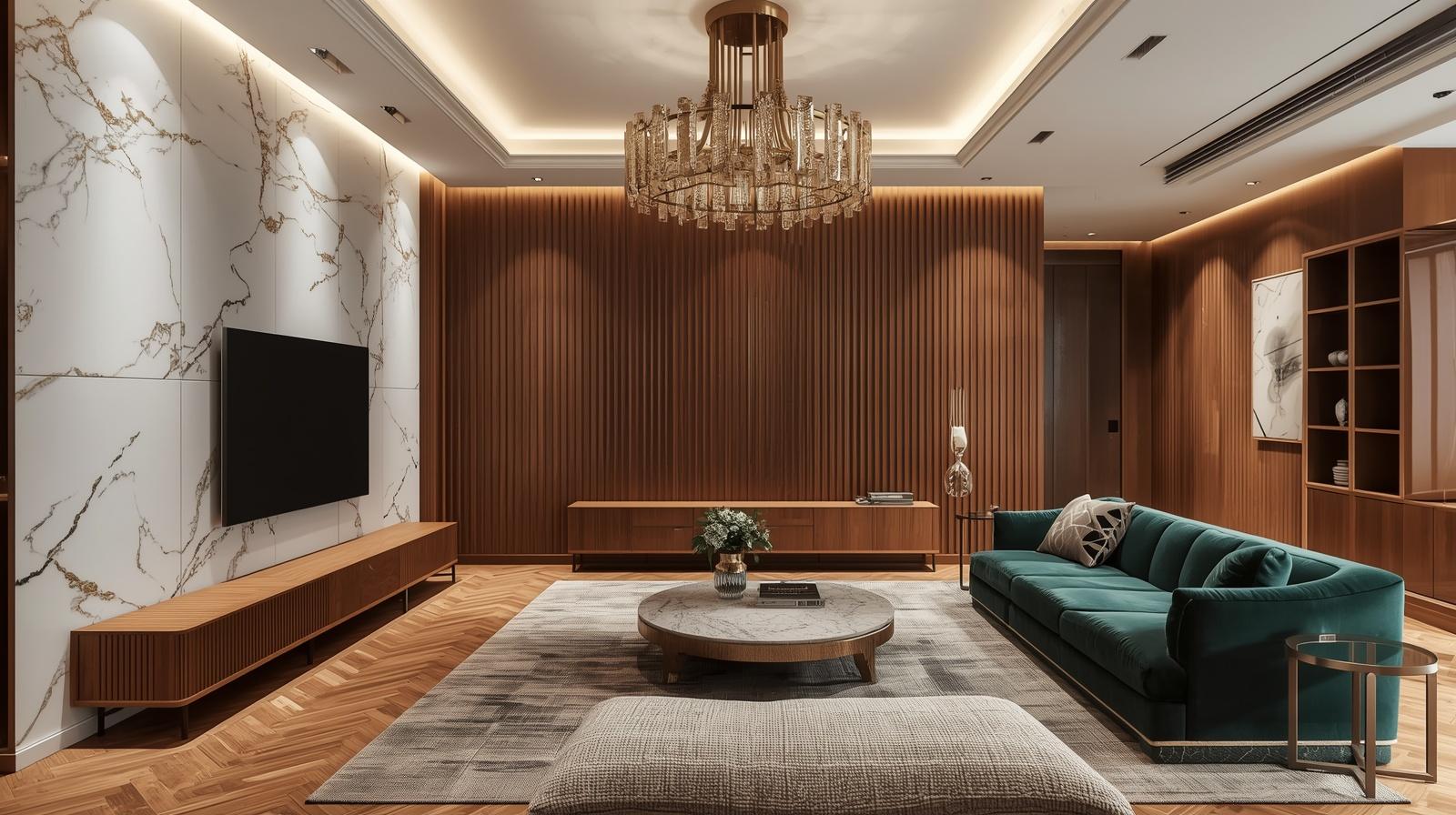
Luxury Contemporary
Premium materials, bespoke millwork, statement lighting, and high-end finishes like marble, terrazzo, and fluted panels. Typically suited to condos and landed homes with larger budgets.
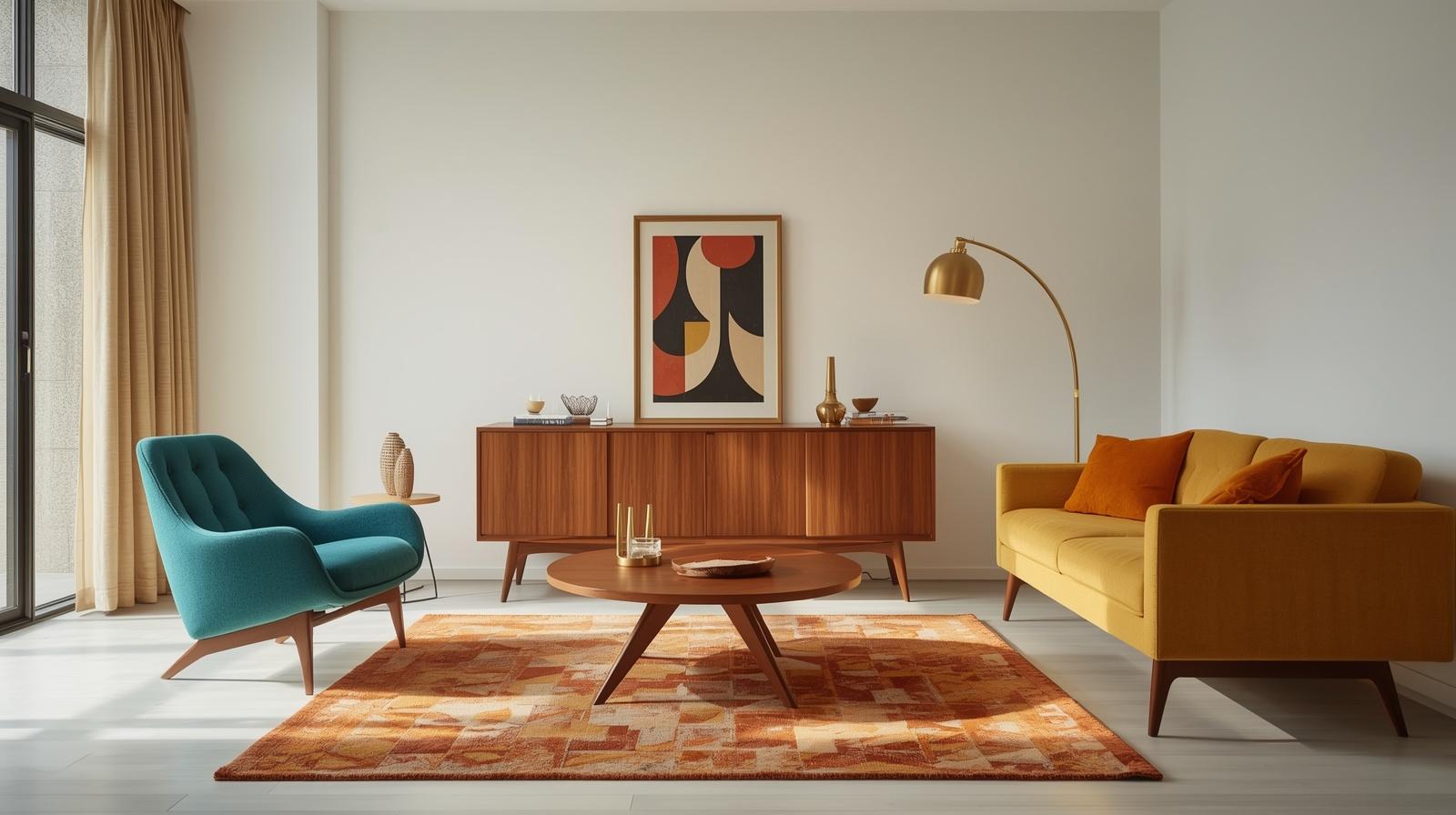
Mid-Century Modern
Retro-inspired furniture silhouettes, warm timber, and rich accent colours (mustard, teal, burnt orange). A playful yet sophisticated style experiencing a revival in Singapore’s design scene.
Why Thousands of Homeowners Are Switching to Matching Platforms
Traditionally, finding an interior designer in Singapore meant weeks of Googling, reading forum threads, asking friends for recommendations, requesting multiple consultations, and hoping you didn’t pick the wrong firm.
Matching platforms like Wondrous La Vie exist because that process is broken:
- The average homeowner spends 15–30 hours researching designers before making a decision
- Most homeowners contact 4–6 firms and attend multiple consultations before shortlisting
- Price opacity means you often don’t know if a quote is fair until you’ve already committed
- Online reviews are unreliable — many are paid, outdated, or posted by competitors
Wondrous La Vie solves this by doing the vetting and matching for you. Every firm in our network has been verified (UEN check, portfolio review, specialisation confirmation). Our AI engine matches you based on your property type, budget, style, and timeline — and delivers up to 3 curated options to your inbox within minutes.
It’s free. There’s no commission. And you’re never pressured to proceed.
Questions About Hiring an Interior Designer
How much should I expect to pay for interior design fees alone (excluding renovation)?
Design fees in Singapore typically range from S$3,000 to S$15,000 depending on the firm, property size, and scope. Some firms bundle design fees into the total renovation package, while others charge them separately. Always clarify this before signing.
Should I hire the same firm for design and renovation, or separate them?
Most Singapore homeowners use a single firm for both design and build — it simplifies communication and accountability. However, for large landed projects, some homeowners hire an architect separately for structural planning and a different firm for interior fit-out. Both approaches are valid.
What's the difference between an interior designer and a renovation contractor?
An interior designer plans the aesthetic, spatial, and functional aspects of your home — then manages the renovation process. A renovation contractor executes physical works (carpentry, plumbing, electrical) but typically does not offer design planning or project management. For most homeowners, working with a full-service interior design firm is the better option.
How do I know if a quotation is fair?
Compare at least 2–3 quotations line-by-line, not just the total. Check whether each quote includes the same scope: carpentry, electrical, plumbing, painting, materials, and design fees. A significantly lower quote may be excluding items the others include. Wondrous La Vie matches you with multiple firms so you can compare easily.
When is the best time to start looking for a designer?
Ideally, 3–6 months before your desired renovation start date. This gives you time for consultations, design development, and permit approvals. For BTO owners, start looking 6 months before key collection.
What happens if my renovation goes over budget?
Variation orders (VOs) are the most common cause of budget overruns. A good designer will flag potential VOs early and require your written approval before proceeding. Always set aside a 10–15% contingency buffer on top of your agreed quotation.
Done Researching? Let Us Do the Matching
You now know what to look for in an interior designer. Let Wondrous La Vie handle the shortlisting — free, in minutes, with zero obligation.