
Are you looking to redesign your law office or create a new one? If so, you’re in luck! Law office design trends are constantly evolving, and there are many innovative ideas you can incorporate to enhance productivity, sustainability, and well-being in your workspace.
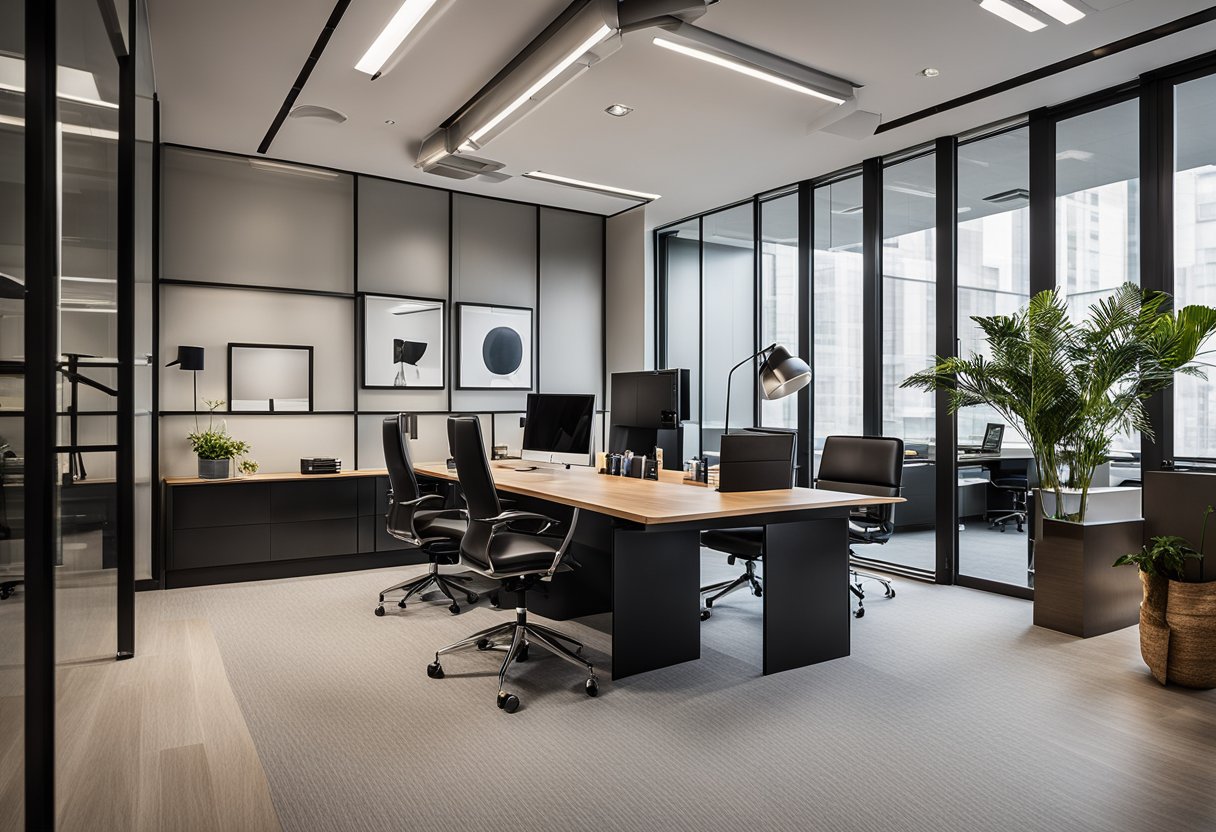
One of the most significant design trends in law firms is the shift towards a more collaborative and open concept. Traditional law offices with closed doors and individual offices are becoming a thing of the past. Many firms are now embracing open-plan spaces that encourage teamwork and communication. Additionally, creating comfortable and inviting breakout areas for clients and staff is becoming increasingly popular.
Sustainability and well-being are also becoming essential factors in law office design. Firms are now incorporating eco-friendly materials and designs that reduce energy consumption and promote a healthier work environment. Additionally, creating spaces that encourage movement and physical activity is becoming more popular to improve the overall well-being of staff.
Key Takeaways
- Collaborative and open-plan spaces are becoming more popular in law office design.
- Sustainability and well-being are essential factors in law office design.
- Creating comfortable and inviting breakout areas for clients and staff is a growing trend.
Innovative Design for Enhanced Productivity
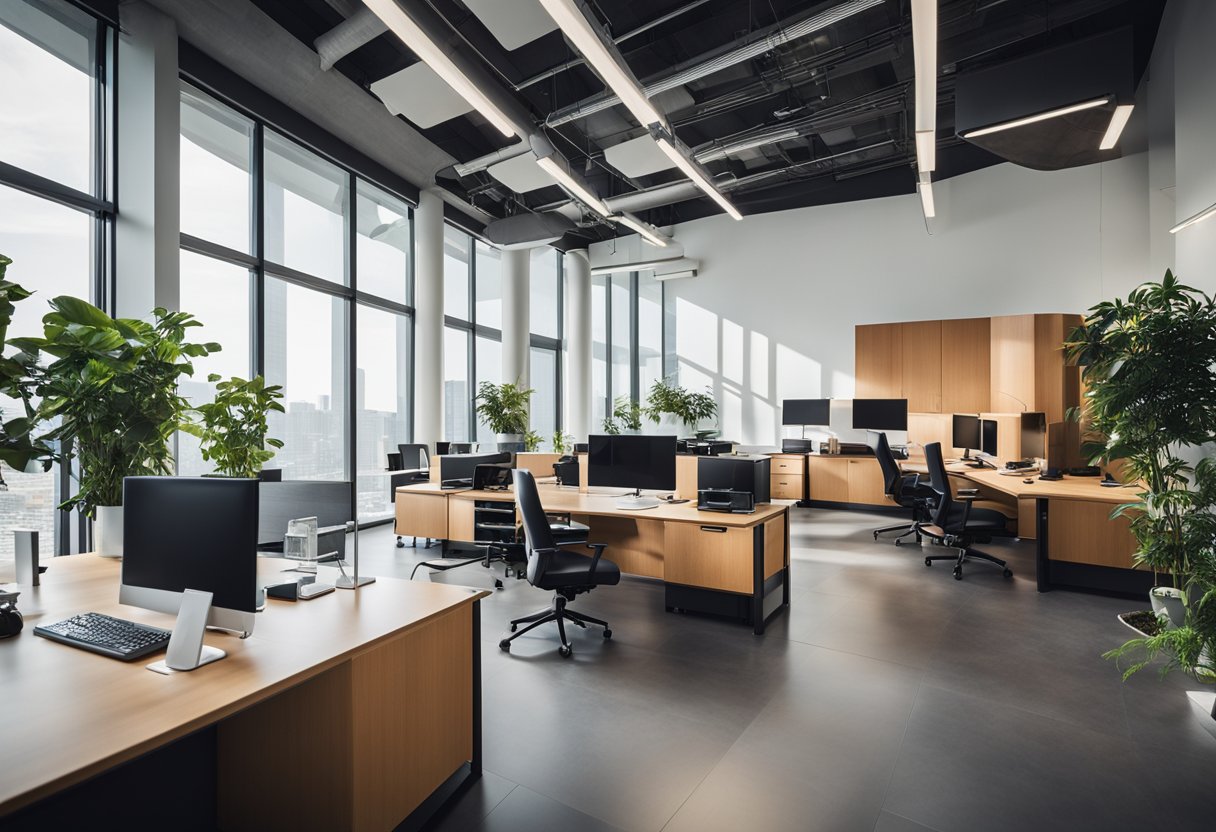
Designing a law office that enhances productivity is a top priority for many firms. Innovative design solutions that incorporate technology, flexible spaces, and ergonomic furniture can help create a more productive and efficient workplace.
Embracing Technology and AI
Technology and AI are revolutionizing the way law firms operate. Incorporating these tools into your office design can help streamline processes and improve productivity. Video conferencing and Zoom rooms make it easy for team members to collaborate from anywhere, while AI-powered tools can automate repetitive tasks and free up time for more important work.
Flexible Spaces for Hybrid Work
The pandemic has changed the way we work, and many firms are adopting hybrid work models that allow employees to work from home or the office. Designing flexible spaces that can accommodate both in-person and remote work is key to creating a productive workplace. Hot-desking and hoteling solutions can help optimize space utilization and reduce real estate costs.
Ergonomics and Well-Being
Employee health and well-being are essential for productivity and job satisfaction. Ergonomic furniture, such as sit-stand desks and adjustable chairs, can help reduce back pain and improve comfort. Designing spaces that incorporate natural light and greenery can also help improve employee well-being.
Innovative office design solutions can help enhance productivity, collaboration, and well-being in the workplace. By embracing technology, creating flexible spaces, and prioritizing employee health and comfort, law firms can create a more efficient and productive workplace.
Sustainability and Well-Being in Law Office Design
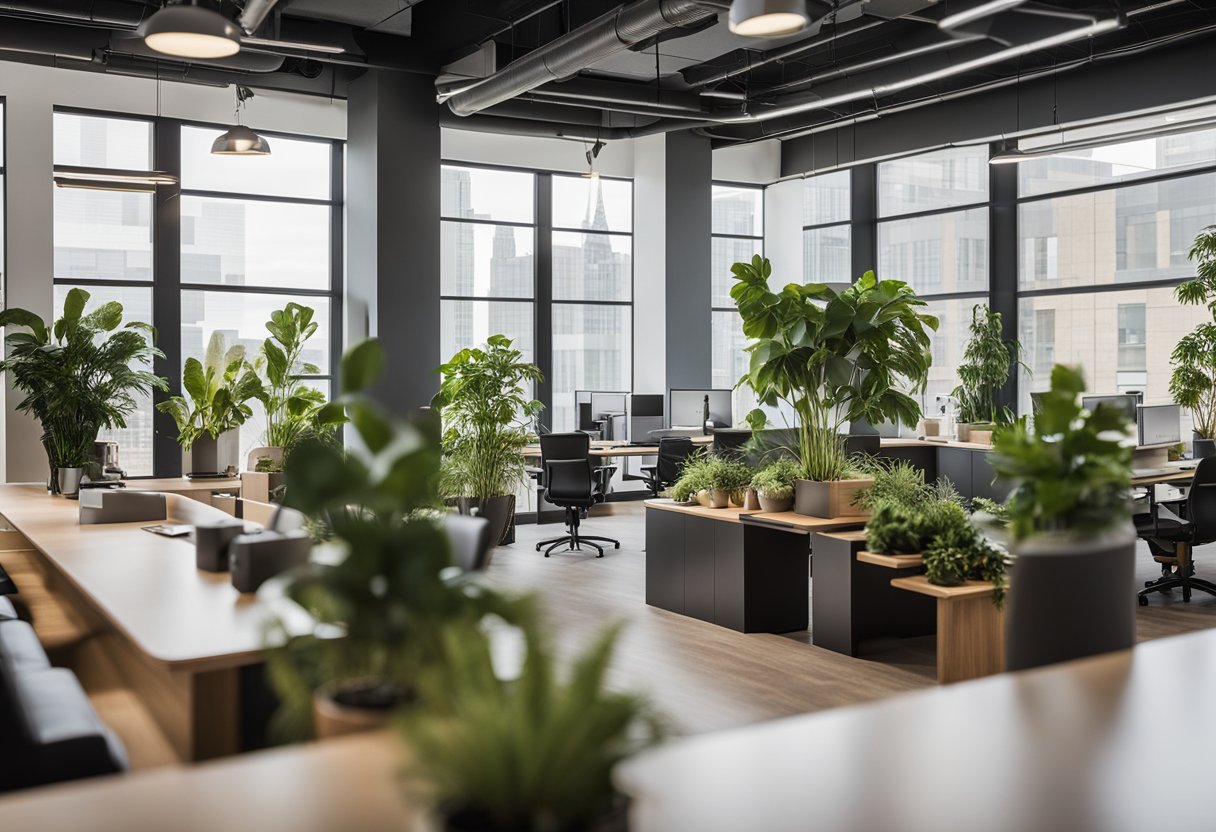
As companies continue to prioritize sustainability and well-being, law firms are following suit by incorporating green design practices and wellness amenities into their office spaces. By doing so, firms can create a healthier and more productive work environment for their employees while also reducing their carbon footprint.
Biophilic Elements and Natural Light
One way to incorporate sustainability and well-being into law office design is by incorporating biophilic elements and natural light. Biophilic design involves bringing elements of nature into the built environment, such as plants, water features, and natural materials. This can help reduce stress, improve mood, and increase productivity. Additionally, natural light has been shown to improve sleep quality, mood, and overall health.
Creating Inclusive and Diverse Environments
Another aspect of sustainable and well-designed law offices is creating inclusive and diverse environments that cater to all employees, including those with disabilities and neurodivergent individuals. This can be achieved by providing accessible spaces, diverse artwork, and adjustable workstations. By doing so, firms can create a more welcoming and inclusive work environment that promotes workplace satisfaction and overall wellness.
Focus on Health and Fitness Amenities
Finally, law firms are incorporating health and fitness amenities into their office spaces to promote employee wellness. This can include fitness studios, healthy food options, and wellness rooms for meditation and relaxation. By providing employees with opportunities to exercise and de-stress during the workday, firms can improve employee health and productivity.
Overall, incorporating sustainable design practices and wellness amenities into law office design can have a positive impact on employee well-being and productivity. By prioritizing sustainability and well-being, firms can create a more inclusive and diverse work environment that promotes employee satisfaction and overall health.
Frequently Asked Questions
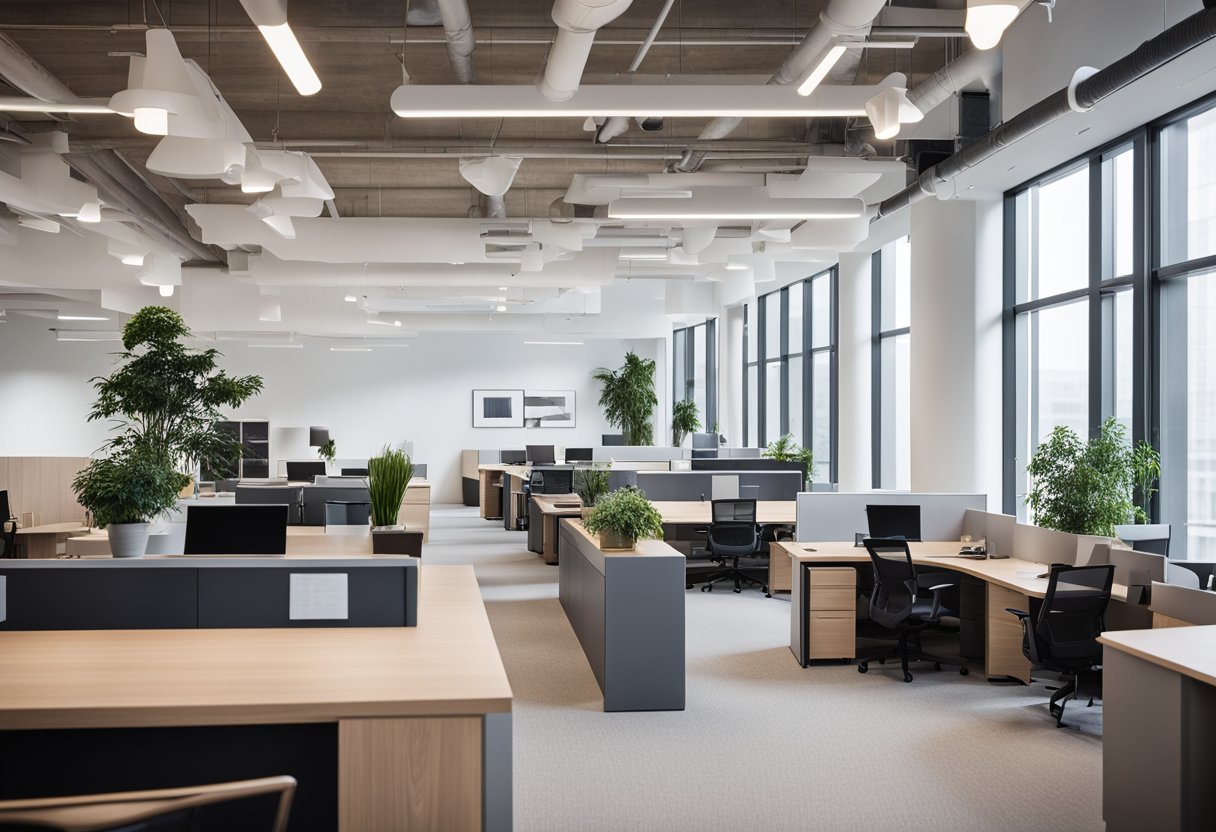
How can innovative design enhance the productivity of lawyers in modern offices?
Innovative design can enhance the productivity of lawyers in modern offices in several ways. For instance, ergonomic furniture and lighting can help reduce physical discomfort and fatigue, allowing lawyers to focus better on their work. Additionally, the use of technology such as video conferencing and cloud-based document management systems can streamline communication and collaboration, leading to increased productivity.
What are the emerging trends in law office interior design for 2024?
The emerging trends in law office interior design for 2024 include glass walls, natural elements, and accent walls. Boutique law firms are also becoming increasingly popular, focusing on creating a unique and inviting setting that promotes productivity and comfort. Additionally, standard-size offices present law firms several advantages, including flexibility and cost-effectiveness.
Which colours evoke trust and professionalism in a law office setting?
Colours that evoke trust and professionalism in a law office setting include navy blue, grey, and white. These colours convey a sense of stability, sophistication, and trustworthiness. Additionally, green can be used to represent growth and balance, while red can be used to convey power and authority.
What are the key elements of a classic lawyer office design that remain timeless?
The key elements of a classic lawyer office design that remain timeless include a private office for each lawyer, a reception area, a conference room, and a library. These elements convey a sense of professionalism, expertise, and authority. Additionally, classic design elements such as wood panelling, leather furniture, and traditional artwork can create a sense of warmth and comfort.
How do small law firm offices maximise space without compromising on style?
Small law firm offices can maximise space without compromising on style by using multifunctional furniture, such as storage ottomans and convertible desks. Additionally, the use of glass walls and open floor plans can create the illusion of more space while allowing for natural light and collaboration. Finally, the use of neutral colours and minimalist design can create a sense of openness and simplicity.
What are the latest technological integrations in law office designs?
The latest technological integrations in law office designs include cloud-based document management systems, video conferencing, and virtual reality. These technologies can improve communication, collaboration, and efficiency, allowing lawyers to work more productively and effectively. Additionally, the use of artificial intelligence and machine learning can streamline legal research and analysis, saving time and improving accuracy.